The Global Fur Ban Is Reshaping Luxury Fashion Faster Than Expected
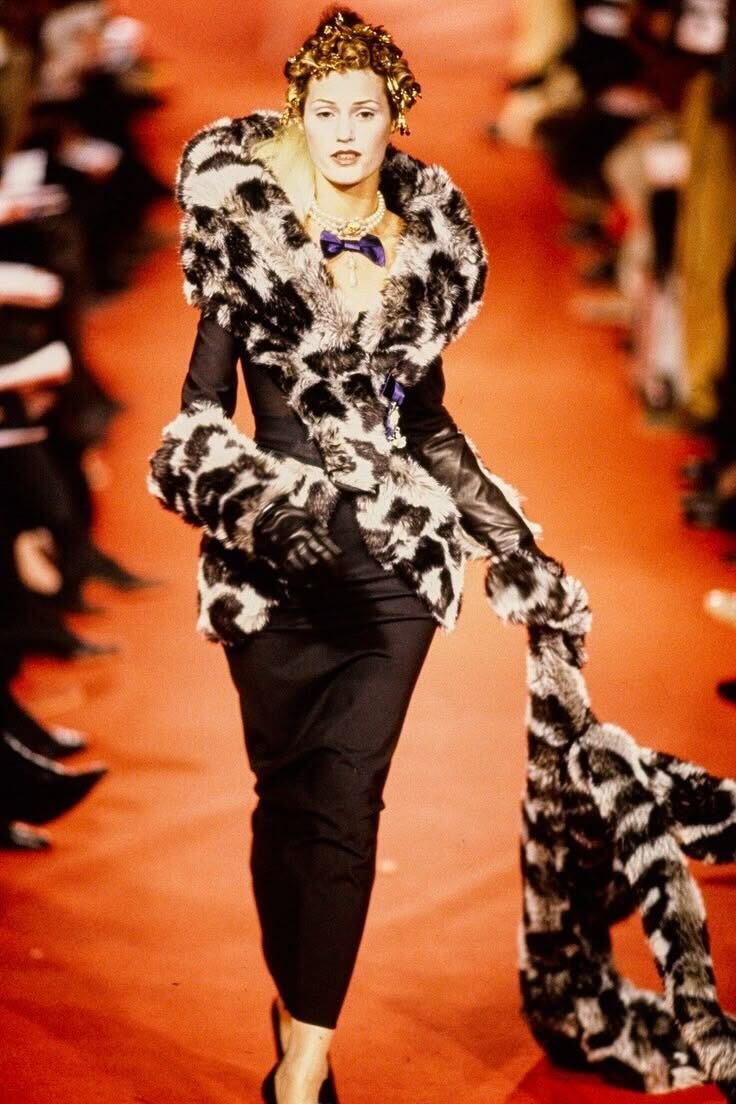

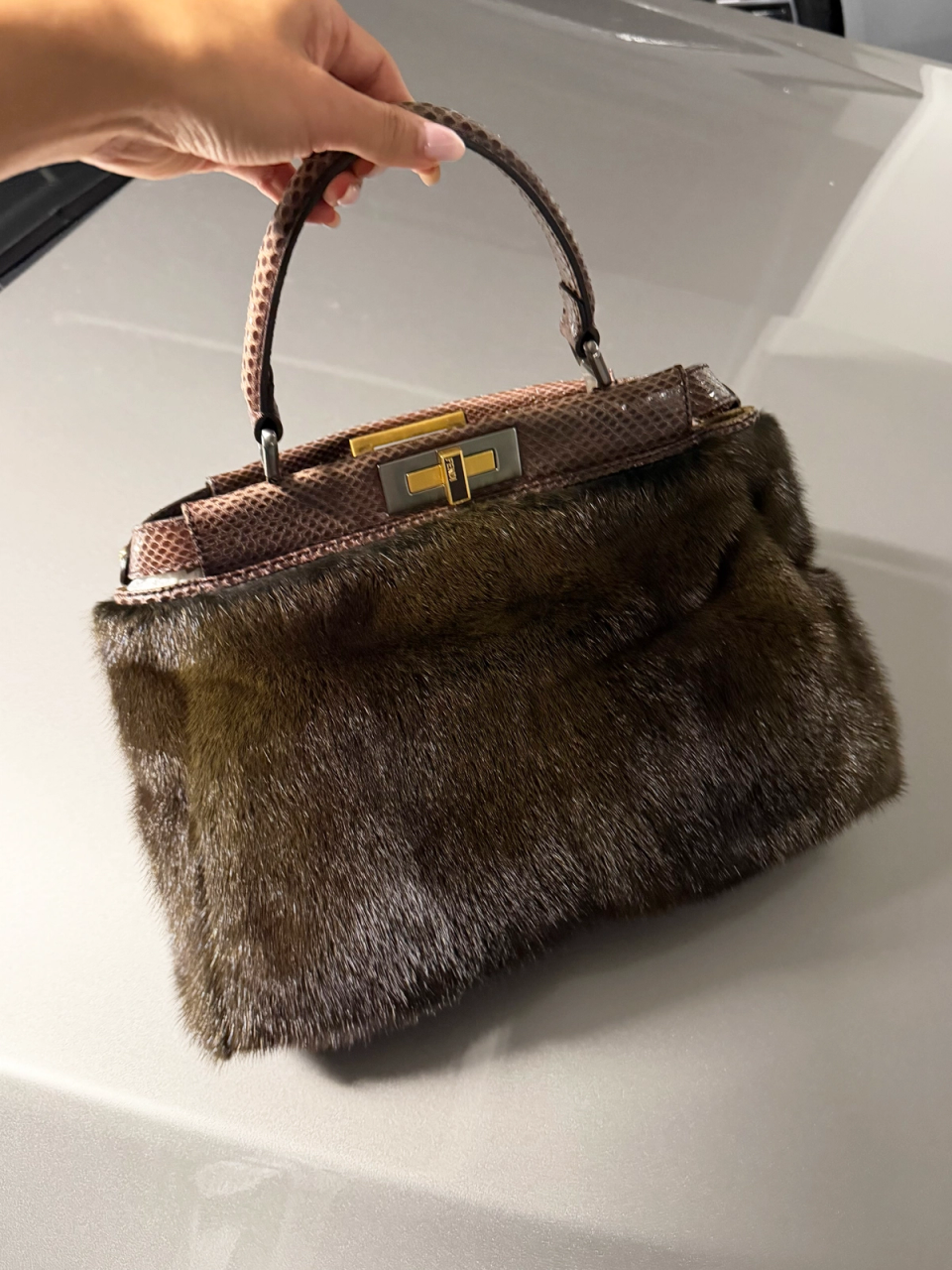
Global Fur Bans Are Reshaping Luxury Fashion Ahead of 2026
The fashion industry’s relationship with fur is undergoing one of its fastest transformations in modern history. This year, Poland — the world’s second-largest fur supplier — passed an eight-year plan to phase out all fur farms, marking one of the most consequential legislative moves in the category.
The ripple effect was immediate. Major luxury houses, already navigating the transition to faux alternatives, now face rapidly changing global supply dynamics. As Poland moves toward full elimination, the economic incentive to continue producing fur weakens across the EU.
Adding to this shift, the Council of Fashion Designers of America (CFDA) announced that fur will be banned at New York Fashion Week starting in 2026. This move places NYFW in alignment with cities like Los Angeles and San Francisco, which have implemented fur sales bans in recent years.
What This Means for Designers and Consumers
Designers are now accelerating development of:
- high-performance faux furs
- bio-based materials
- recycled textile blends
- reconstructed or repurposed vintage fur pieces
For consumers, this ushers in a new era where heritage fur increasingly becomes either a collectible vintage category or a raw material for upcycling.
Archival and Vintage Market Implications
As contemporary production slows, vintage fur enters a unique niche — not as a symbol of luxury excess, but as a sustainable avenue for collectors who value historical craftsmanship without participating in new production.
The next few years will likely see:
- rising demand for 80s–90s shearling and fur-trimmed outerwear
- stronger interest in fur reconstruction services
- a shift in how luxury houses archive their fur-adjacent history
Fashion may be moving past fur, but its legacy — and the cultural conversation around it — is far from over.