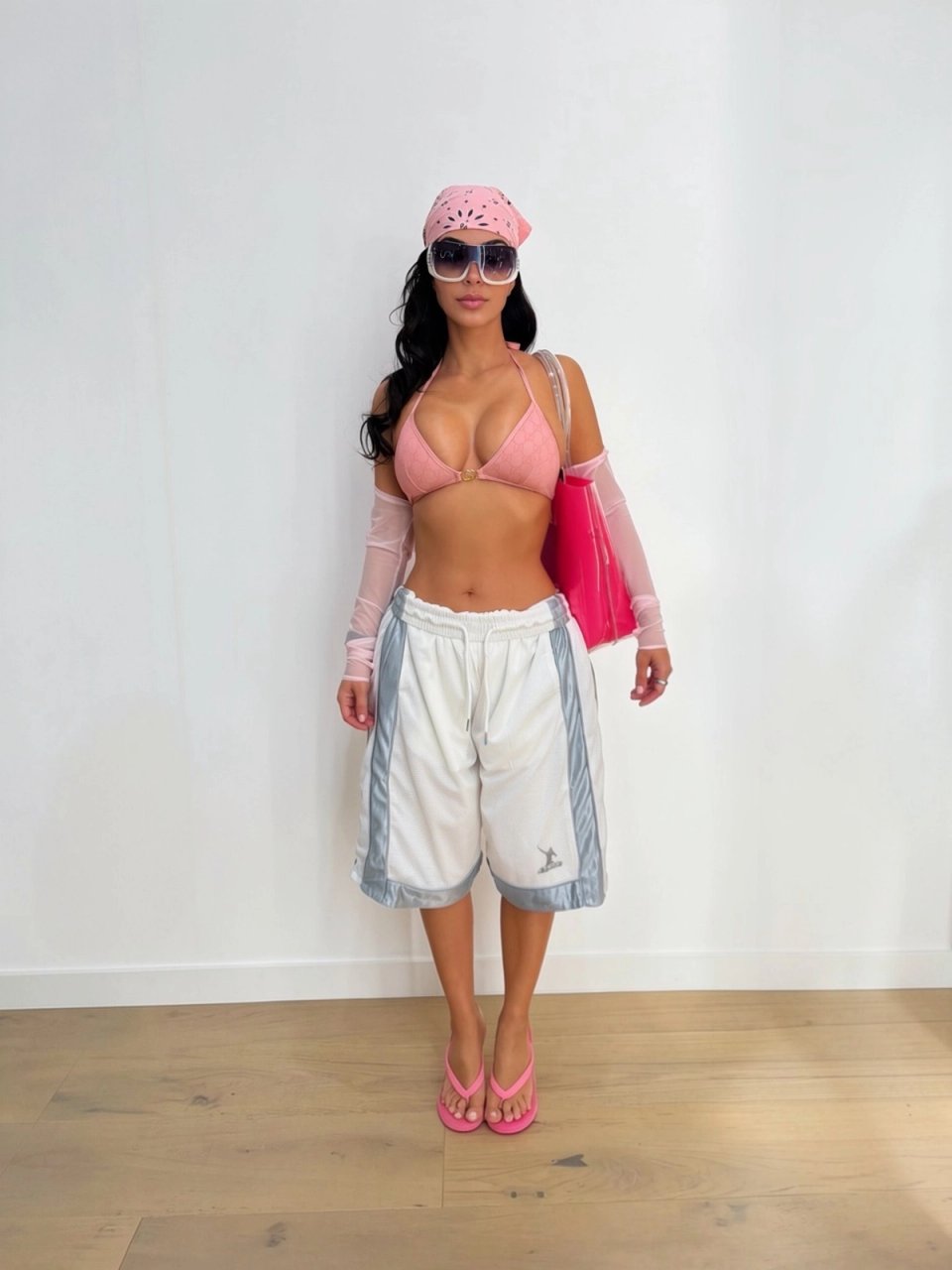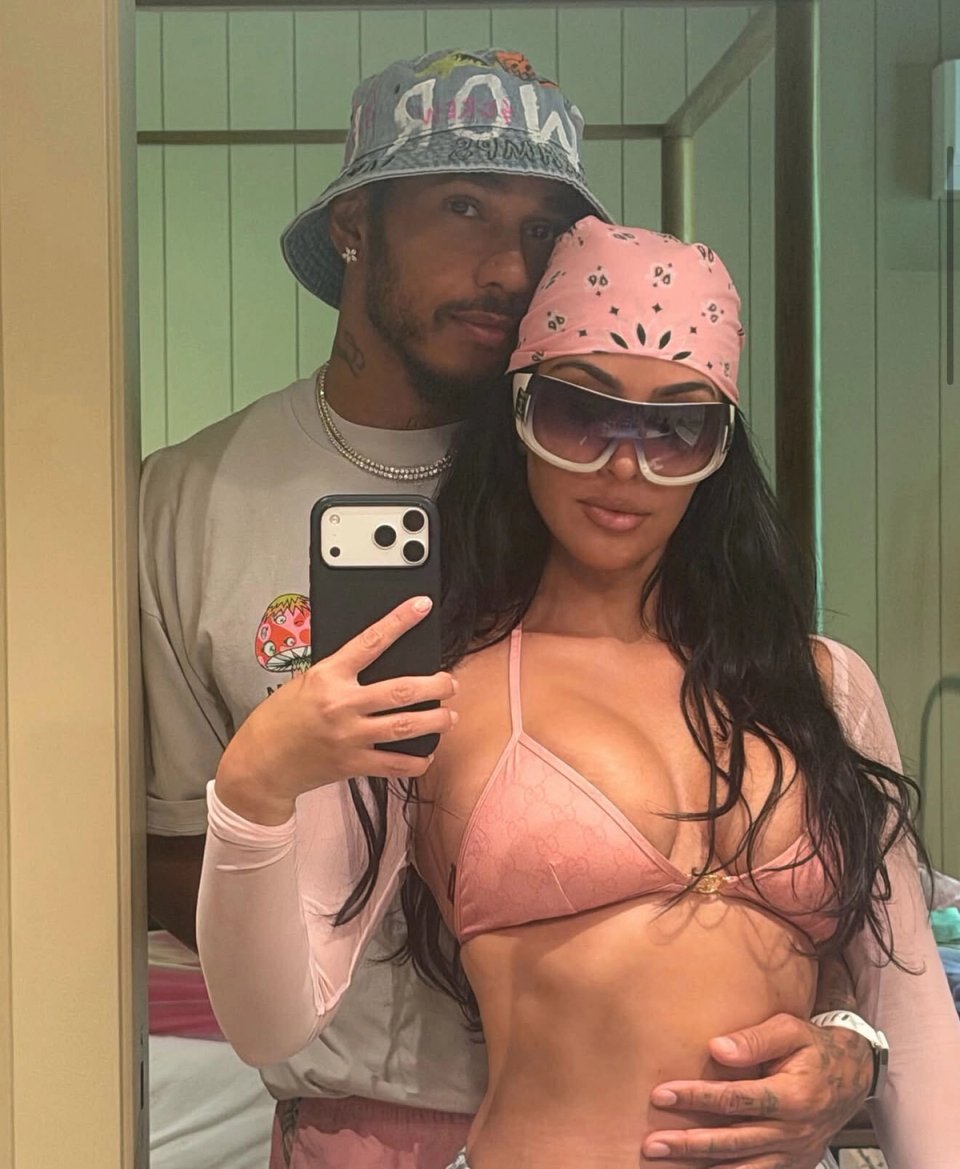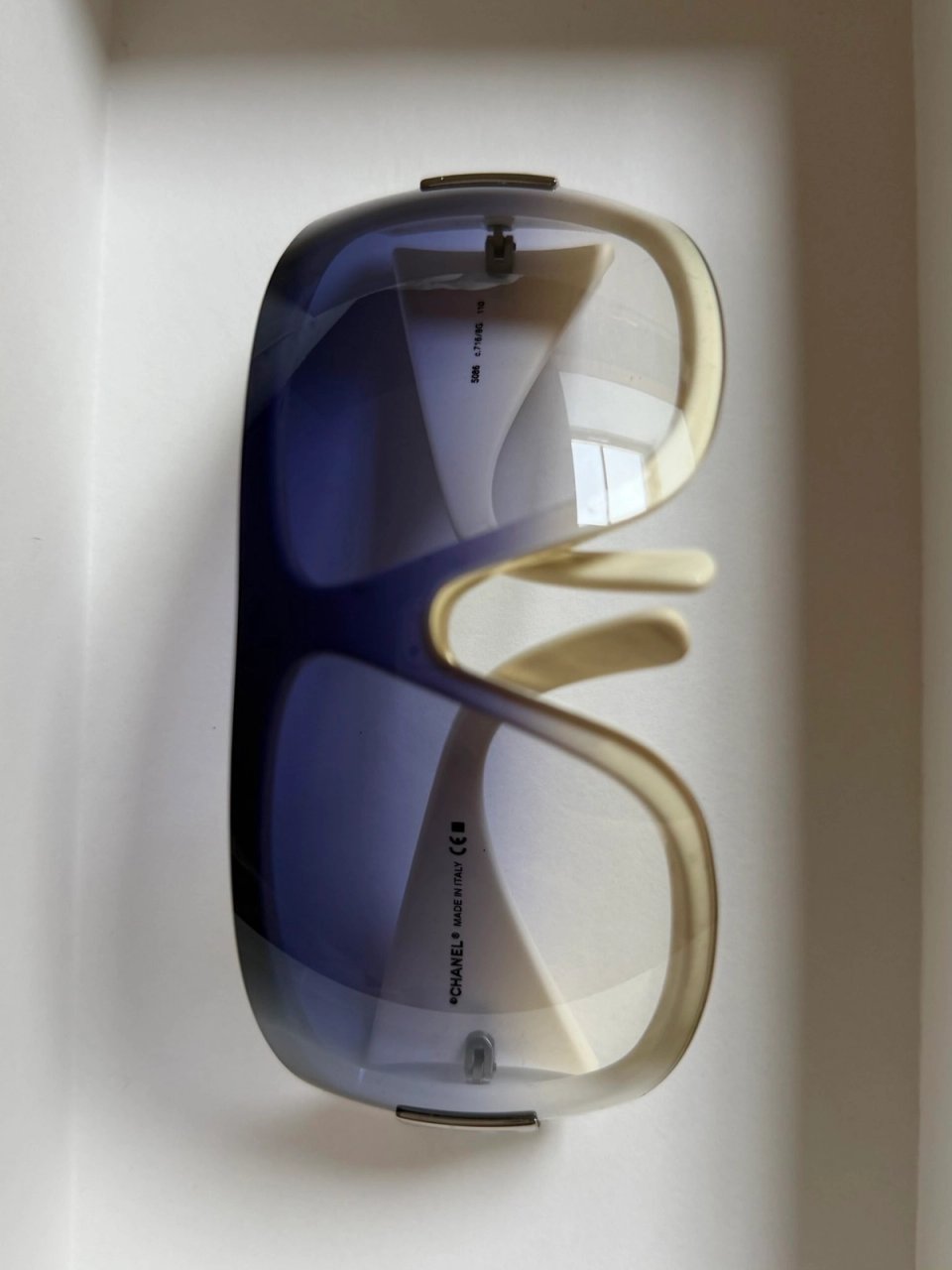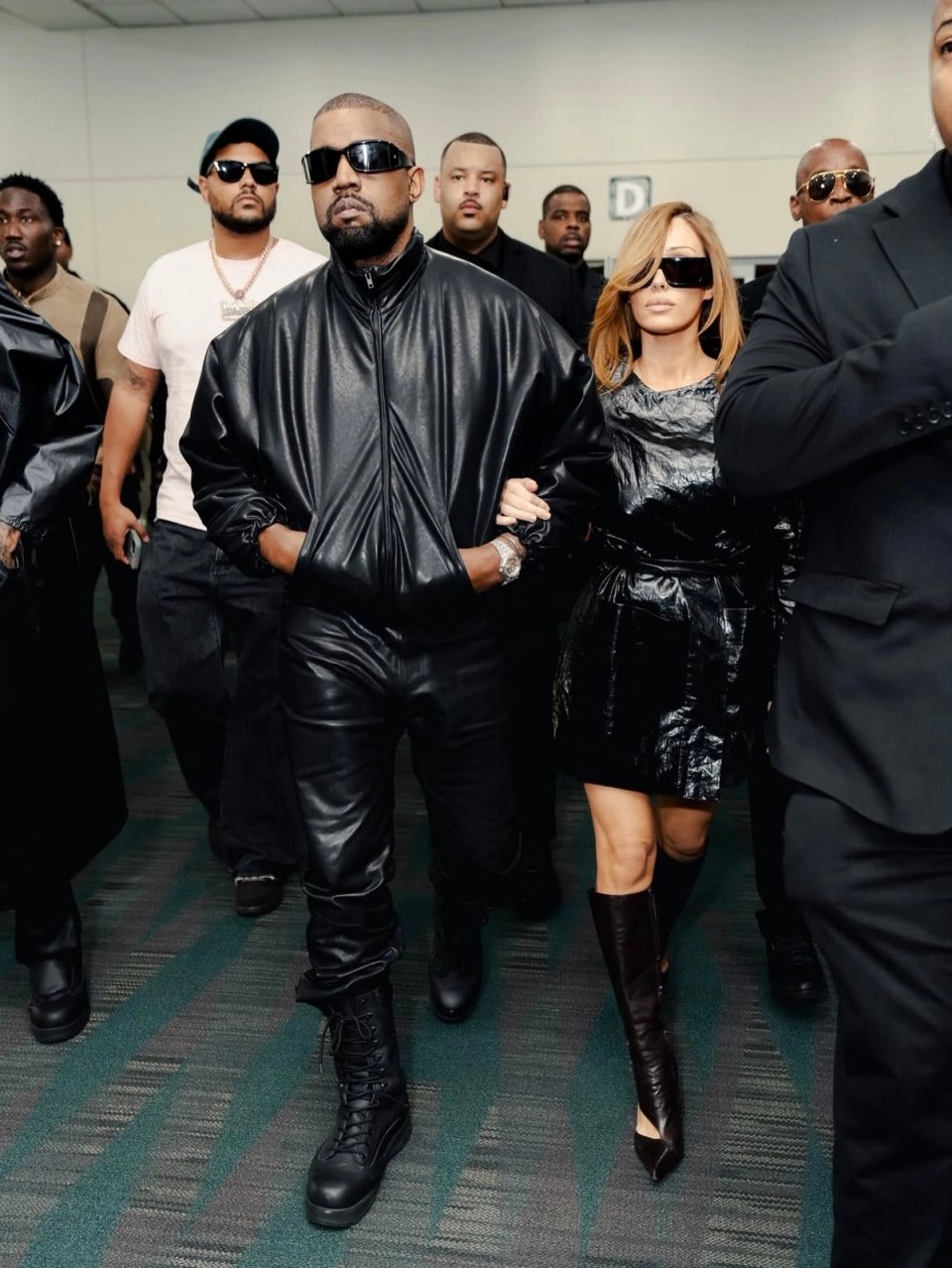
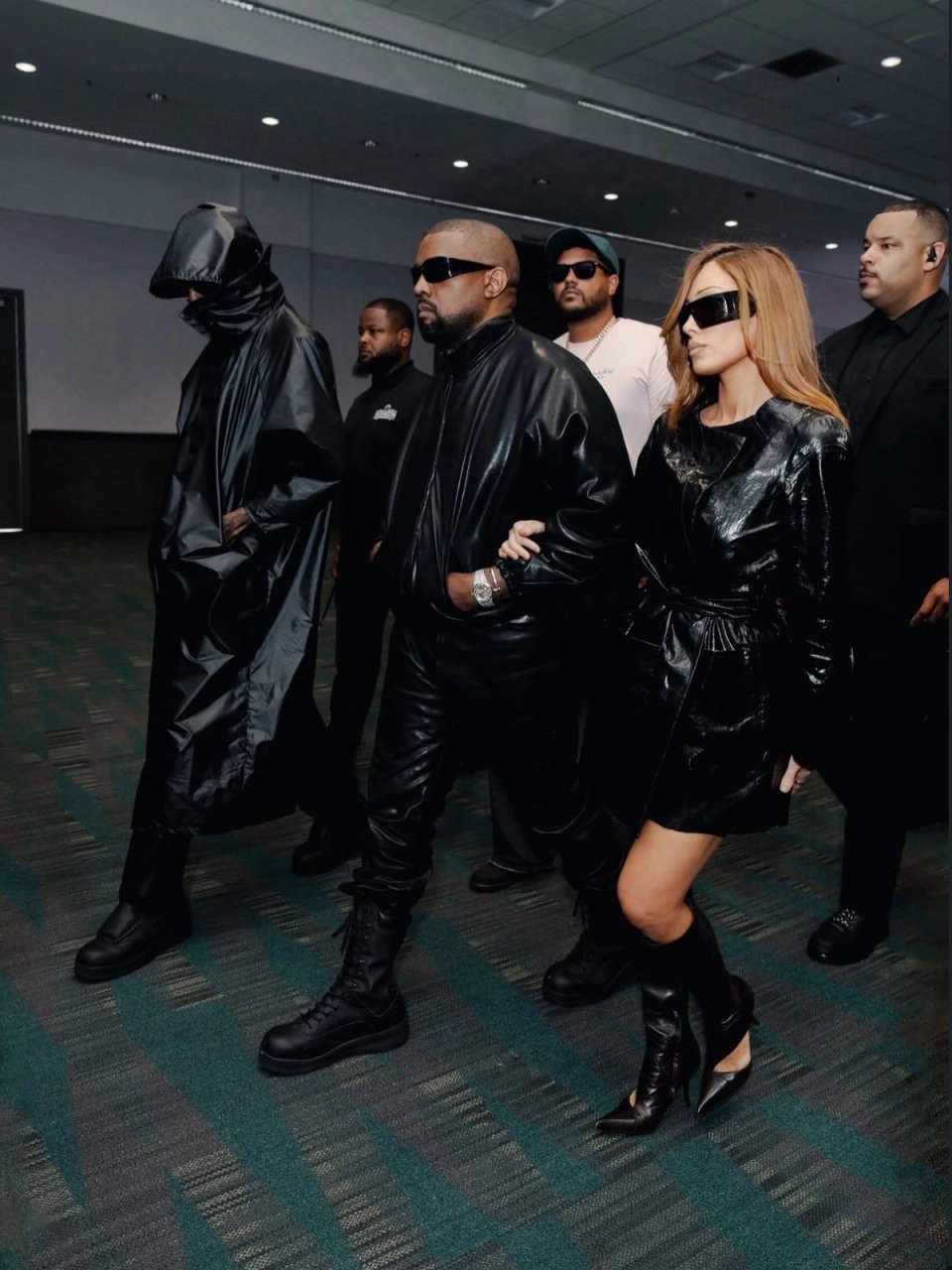
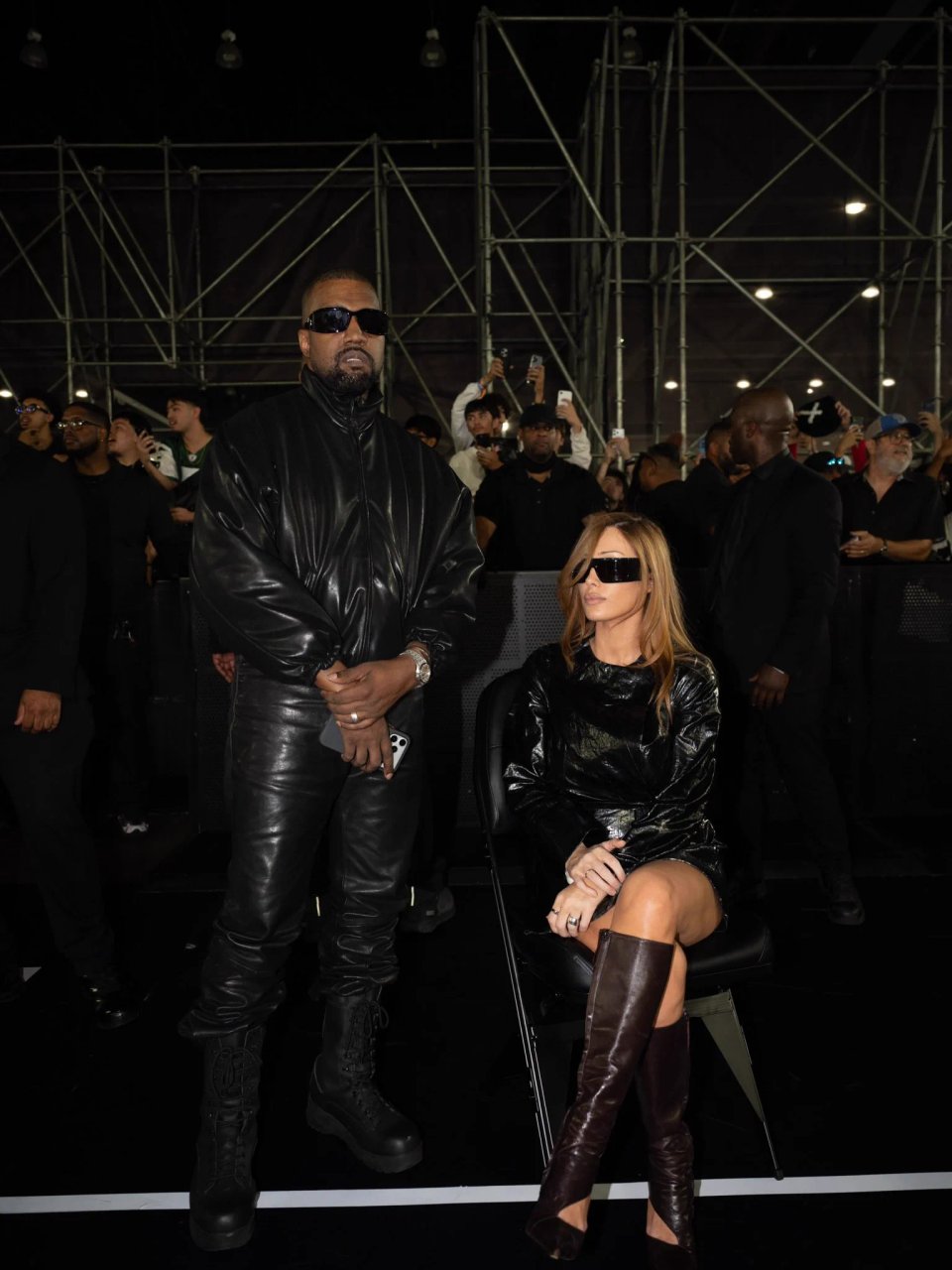
Bianca Censori Wore Our 2008 Chloé Coat to ComplexCon
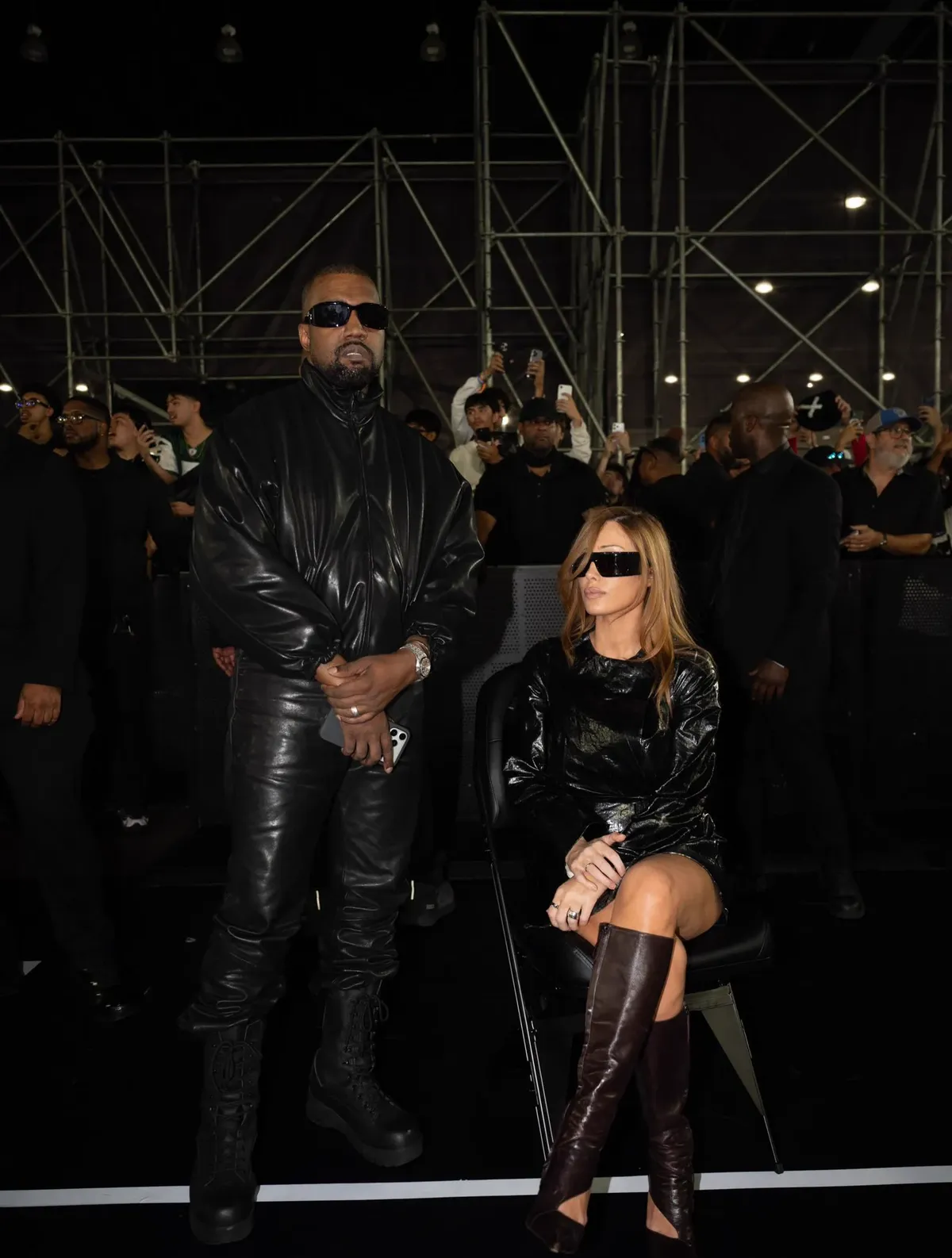
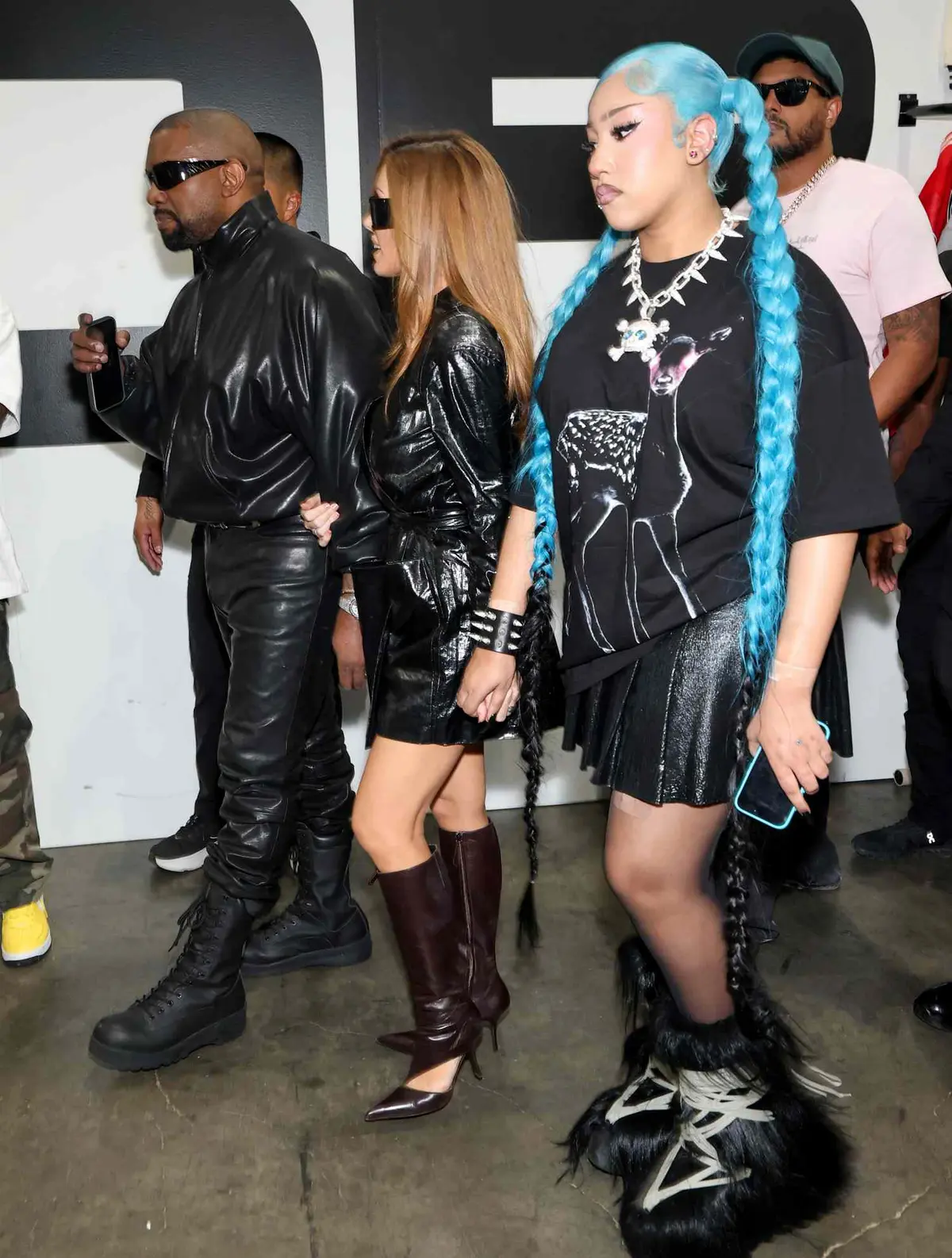
When Bianca Censori stepped out at ComplexCon alongside Kanye West, her look became another point of conversation in a celebrity culture that rarely separates fashion from controversy. But beyond the headlines, there was a piece of fashion history worth looking at: a black belted wrap coat by Chloé from 2008, sourced and purchased by her stylist at Into Archive’s New York showroom.
The coat is a reminder that the most compelling pieces in a wardrobe do not always come from the latest collection. Sometimes, the right reference is already out there, waiting to be found.
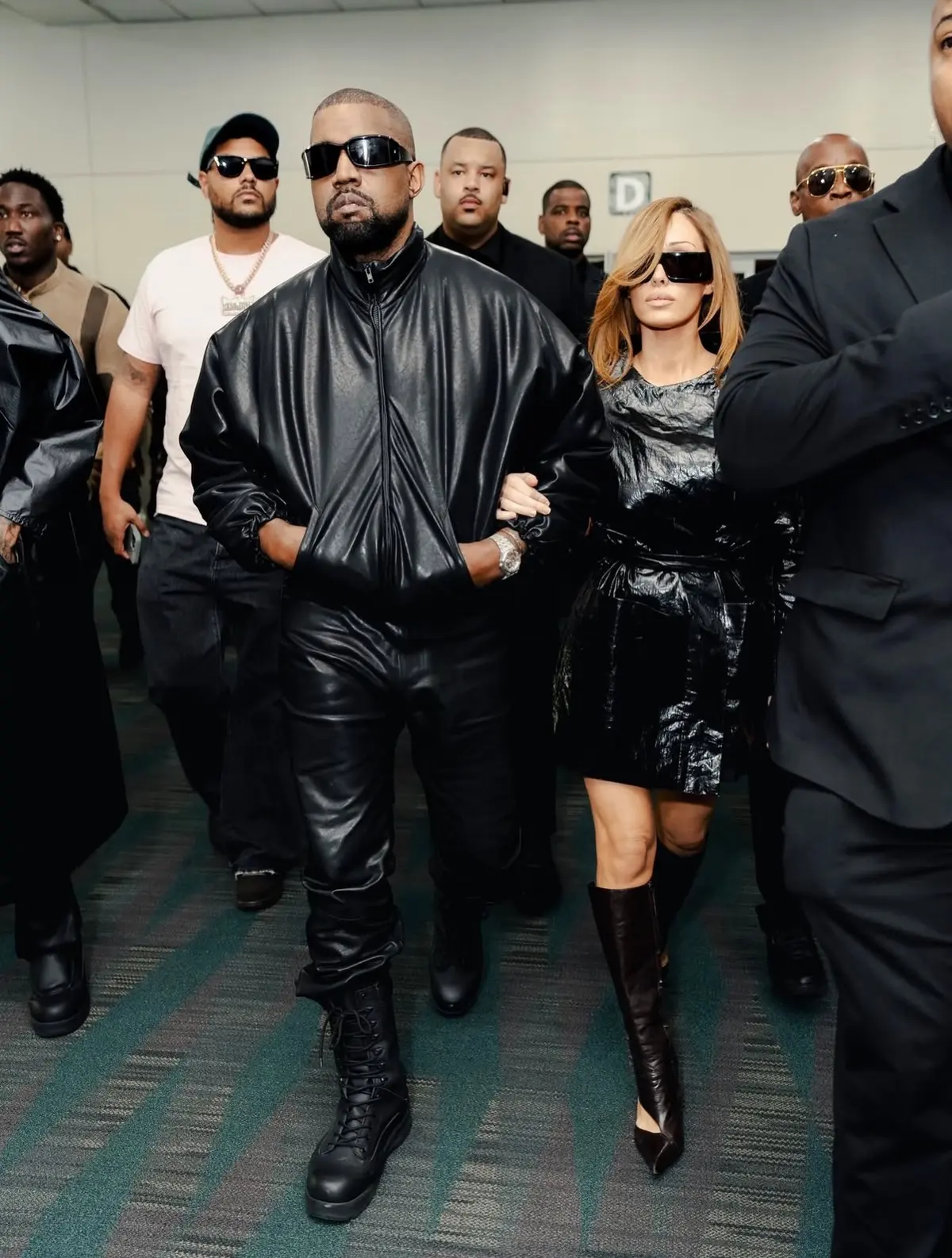
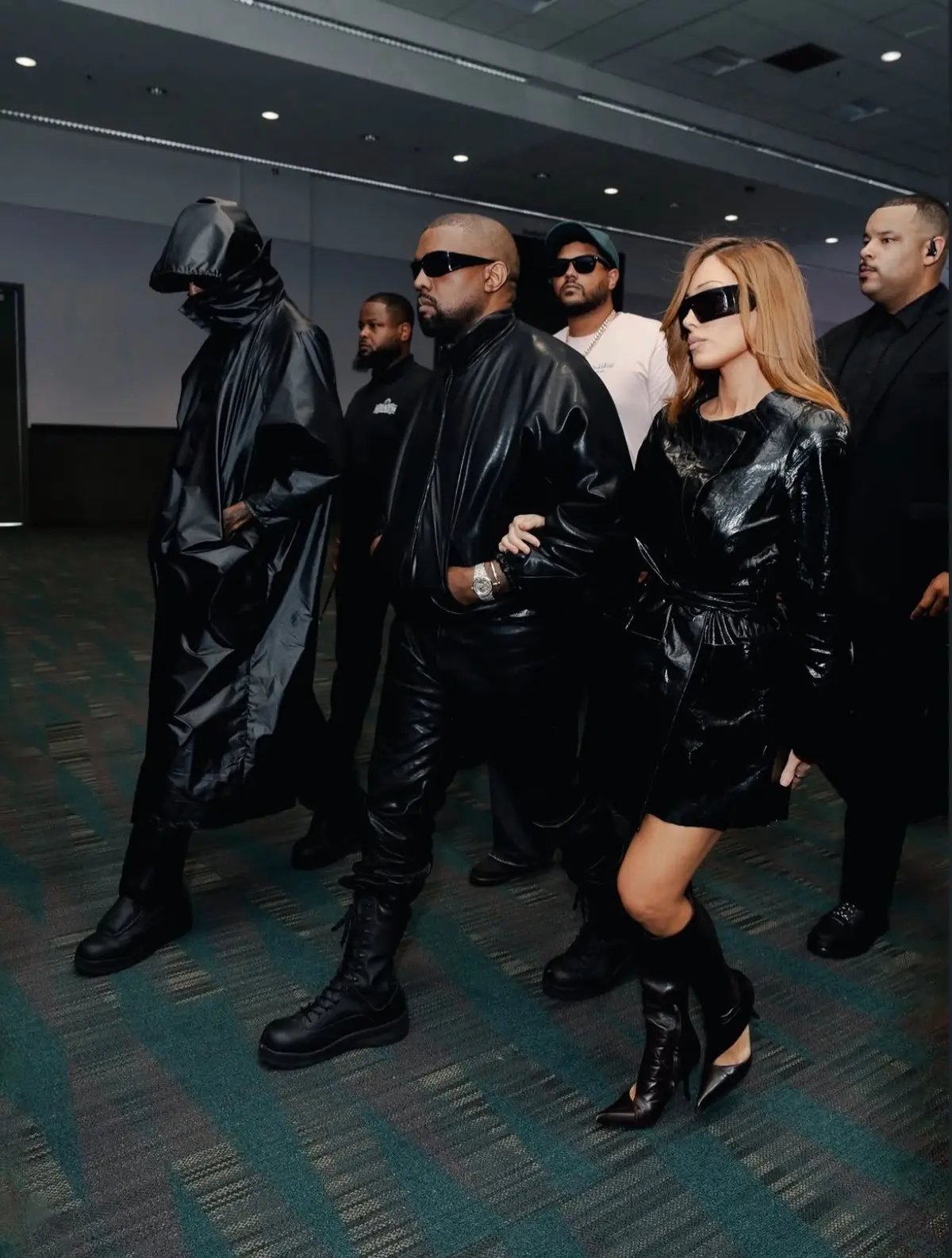
The Coat: Chloé, 2008
The Chloé 2008 Black Linen-Blend Belted Wrap Coat brings together the understated sophistication and considered construction that make archival designer clothing worth revisiting. Rendered in black, with a wrap silhouette and belted waist, the coat offers a timeless alternative to more trend-driven outerwear.
Its appeal lies in its restraint. The silhouette does not need an elaborate print or excessive embellishment to make an impression. Instead, the proportions, dark palette, and defined waist give the piece its presence. It is the kind of garment that can anchor an entire look while leaving room for the person wearing it to shape its meaning.
Nearly two decades after its original release, the coat demonstrates why vintage designer outerwear continues to find relevance in contemporary wardrobes. A well-considered silhouette can move between eras without losing its character.
From the Into Archive Showroom to ComplexCon
The coat's journey to ComplexCon began at Into Archive's New York showroom, where Bianca Censori's stylist visited and purchased the piece for her wardrobe.
For Into Archive, moments like this reflect the role of the archive in contemporary fashion. Our showroom brings together collectible vintage and archival designer pieces selected for their design, cultural significance, and lasting appeal. Stylists and fashion professionals can explore garments in person, considering their construction, proportions, and potential within a look.
Sourcing archival fashion is often about finding something that feels specific rather than simply new. A garment from a past collection carries its own design history, yet can take on a different character when worn in a contemporary setting. The Chloé coat is one such example: a piece from 2008 that found a new context nearly two decades later.
Why Archival Chloé Still Matters
Chloé has a longstanding place in the conversation around modern femininity, romantic dressing, and luxury ready-to-wear. Across its collections, the house has explored silhouettes that balance softness with structure, creating garments that can feel effortless without being ordinary.
The appeal of archival Chloé lies partly in the opportunity to revisit those design ideas outside their original moment. Vintage pieces offer a different perspective on a fashion house's history, allowing collectors and stylists to find silhouettes, materials, and details that are no longer readily available in current-season collections.
A black wrap coat may appear understated compared with the more immediately recognizable statement pieces of the archival market, but that is precisely its strength. Its versatility makes it adaptable, while its specific provenance gives it a place within the larger story of designer fashion.
Beyond the Headlines, There's the Archive
Celebrity fashion is often discussed through the lens of public reaction. But the clothes themselves have histories that extend beyond a single appearance, a viral photograph, or a news cycle.
Bianca Censori's Chloé coat offers another way to look at a high-profile fashion moment: through the garment's design, its place in a designer's history, and the process of finding the right archival piece for the right person. The conversation around an outfit may change overnight. The design that made it memorable can remain relevant for much longer.
At Into Archive, we believe archival fashion is about more than wearing something old. It is about discovering pieces with a point of view and giving them another life in contemporary wardrobes.
The Chloé 2008 Black Linen-Blend Belted Wrap Coat, now part of this ComplexCon fashion moment, is a reminder that the archive is not just a record of what came before. It is an ongoing source of inspiration for what comes next.
Discover the Chloé at Into Archive.
→ Book a private showroom appointment
Into Archive is a global destination for rare and archival fashion, bringing together collectible pieces from leading designers, independent collectors, and international vendors. Visit our New York showroom by appointment to explore the archive in person.
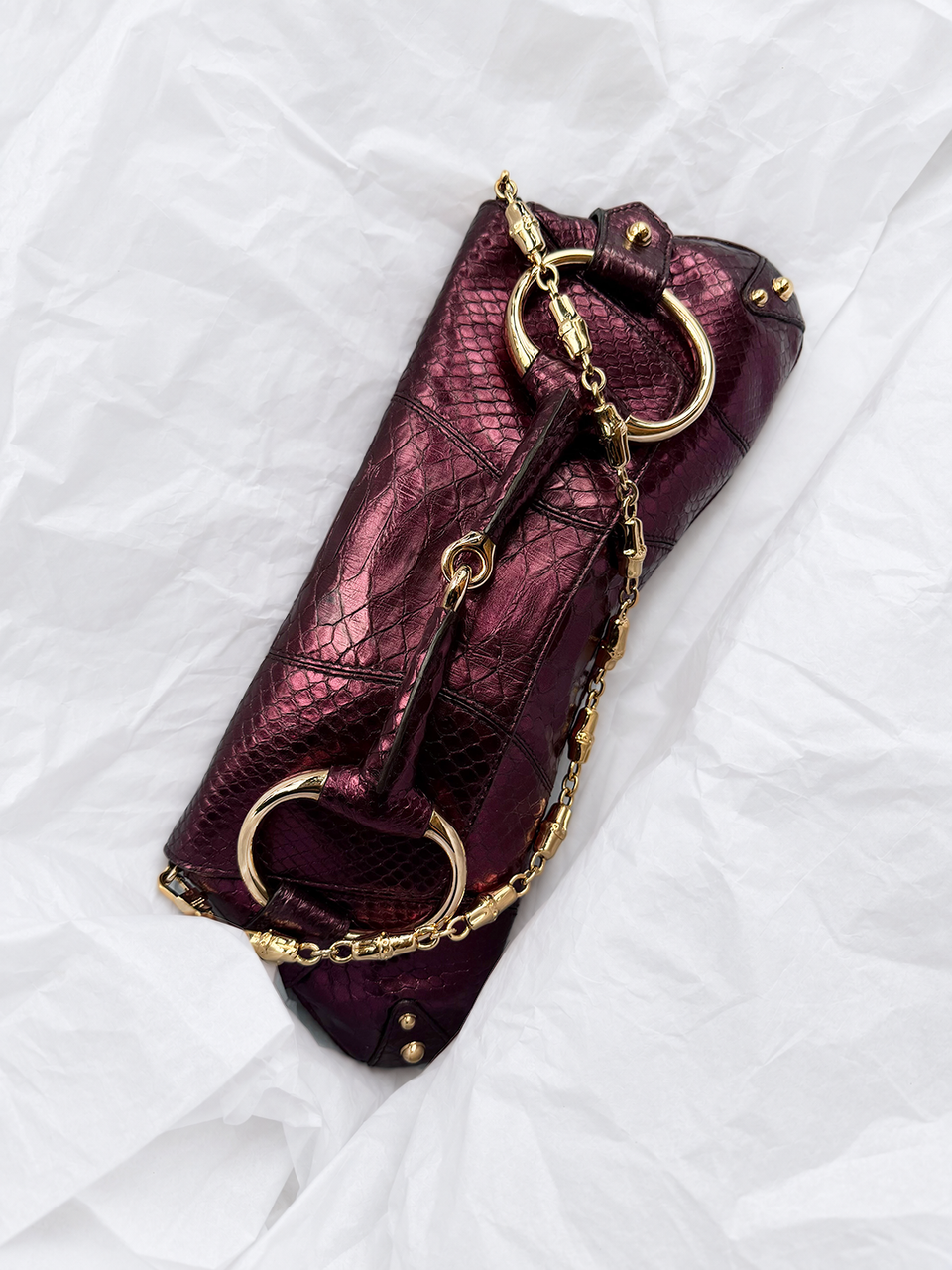
The Vintage Gucci Bag Celebrities Keep Asking For
There are Gucci bags, and then there are Tom Ford-era Gucci bags. Right now, one particular style is getting the kind of attention that makes vintage dealers pay attention: the Gucci Horsebit.
At Into Archive, we have been watching the demand firsthand. Our selection of vintage Gucci Horsebit bags has been attracting stylists, collectors, and celebrity clients, with several pieces already sold after generating serious interest. And once you look at the history behind the design, the obsession starts to make sense.
The Horsebit has been part of Gucci's visual language for more than 70 years. But during Tom Ford's tenure, the familiar equestrian hardware was transformed into something altogether more provocative: oversized, sculptural, glamorous, and unmistakably of its time. Today, those same qualities are exactly what make the original bags so desirable.
So why is everyone suddenly looking for an old Gucci Horsebit?
Maybe the better question is: why did it ever stop being coveted?
Before Tom Ford, There Was the Horsebit
The story starts long before the late '90s.
Gucci's Horsebit motif is rooted in the House's longstanding connection to the equestrian world. The distinctive double-ring-and-bar hardware first appeared on Gucci's now-iconic loafer in 1953, before making its way onto a handbag in 1955. From there, the Horsebit became one of Gucci's defining house codes, appearing across handbags, shoes, belts, jewelry, and accessories.
That history is important because the Horsebit was never designed to be just a logo. It was a piece of hardware with a recognizable shape and a story behind it. Even without a visible GG monogram, the double rings and bar could identify the house.
Over the decades, Gucci repeatedly reinterpreted the motif. But the most dramatic transformation came in the 1990s, when Tom Ford took over the creative direction of the house.
Enter Tom Ford
Tom Ford joined Gucci's womenswear team in 1990 and became creative director in 1994. His arrival marked a radical change for the Italian house, which Ford pushed toward a much more sensual, glamorous, and provocative identity.
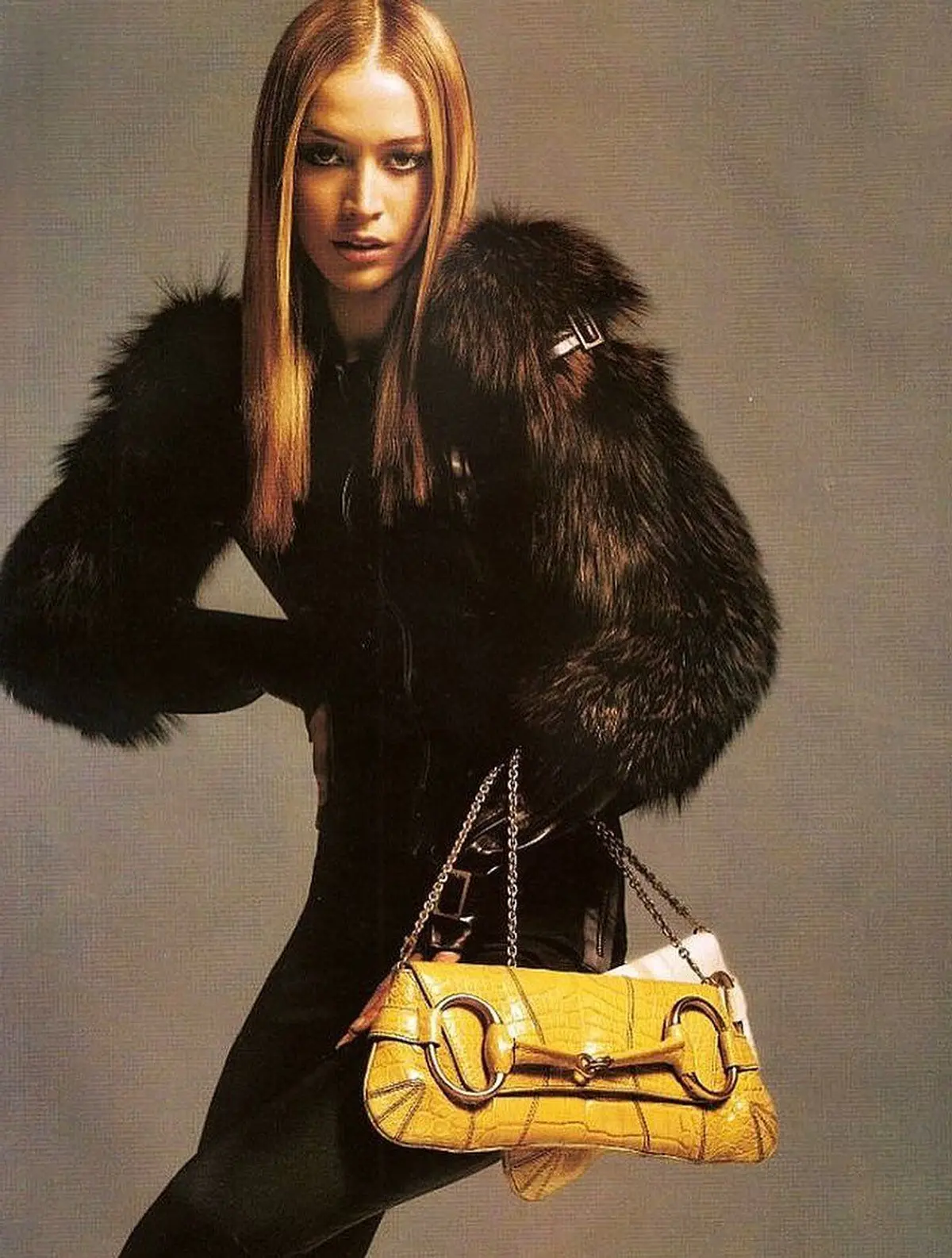
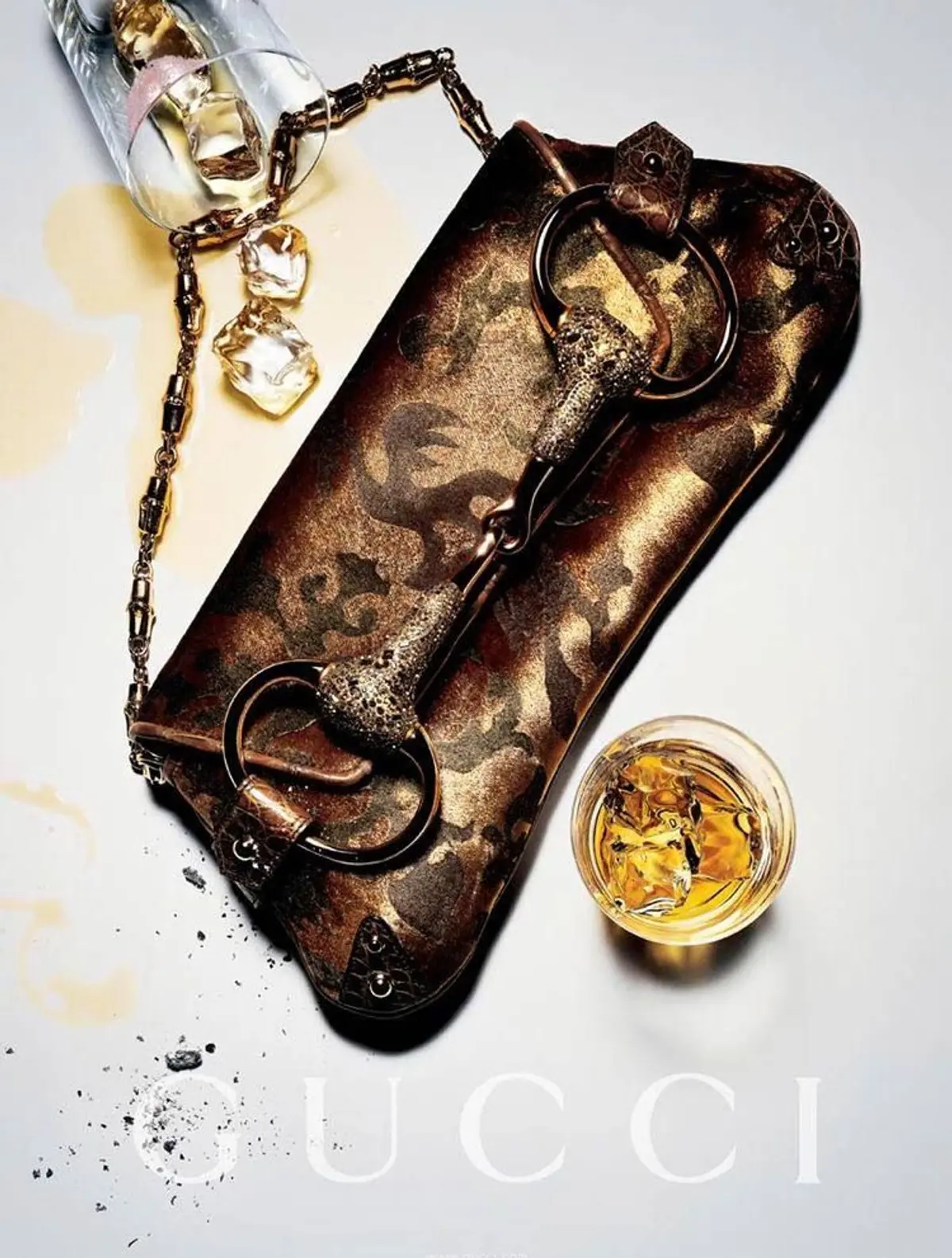
This was Gucci before the current language of quiet luxury, when fashion was comfortable with being loud. Ford's Gucci was low-slung, body-conscious, glossy, sexy, and deliberately excessive. The Horsebit was perfectly suited to the transformation.
Instead of treating the equestrian motif as something precious and traditional, Ford made it feel dangerous.
The hardware appeared oversized and sculptural. It was incorporated into belts, shoes, bags, and accessories, often paired with exotic skins, glossy leather, GG canvas, metallic finishes, and dramatic proportions. Ford wasn't interested in preserving Gucci's heritage in a museum. He wanted to make it desirable again.
And it worked.
By the late 1990s and early 2000s, Tom Ford's Gucci had become one of the defining luxury aesthetics of the era. The Horsebit was no longer simply a reference to Gucci's past. It had become part of the visual language of contemporary celebrity culture.
The Horsebit Gets the Tom Ford Treatment
This is where the vintage pieces become particularly interesting.
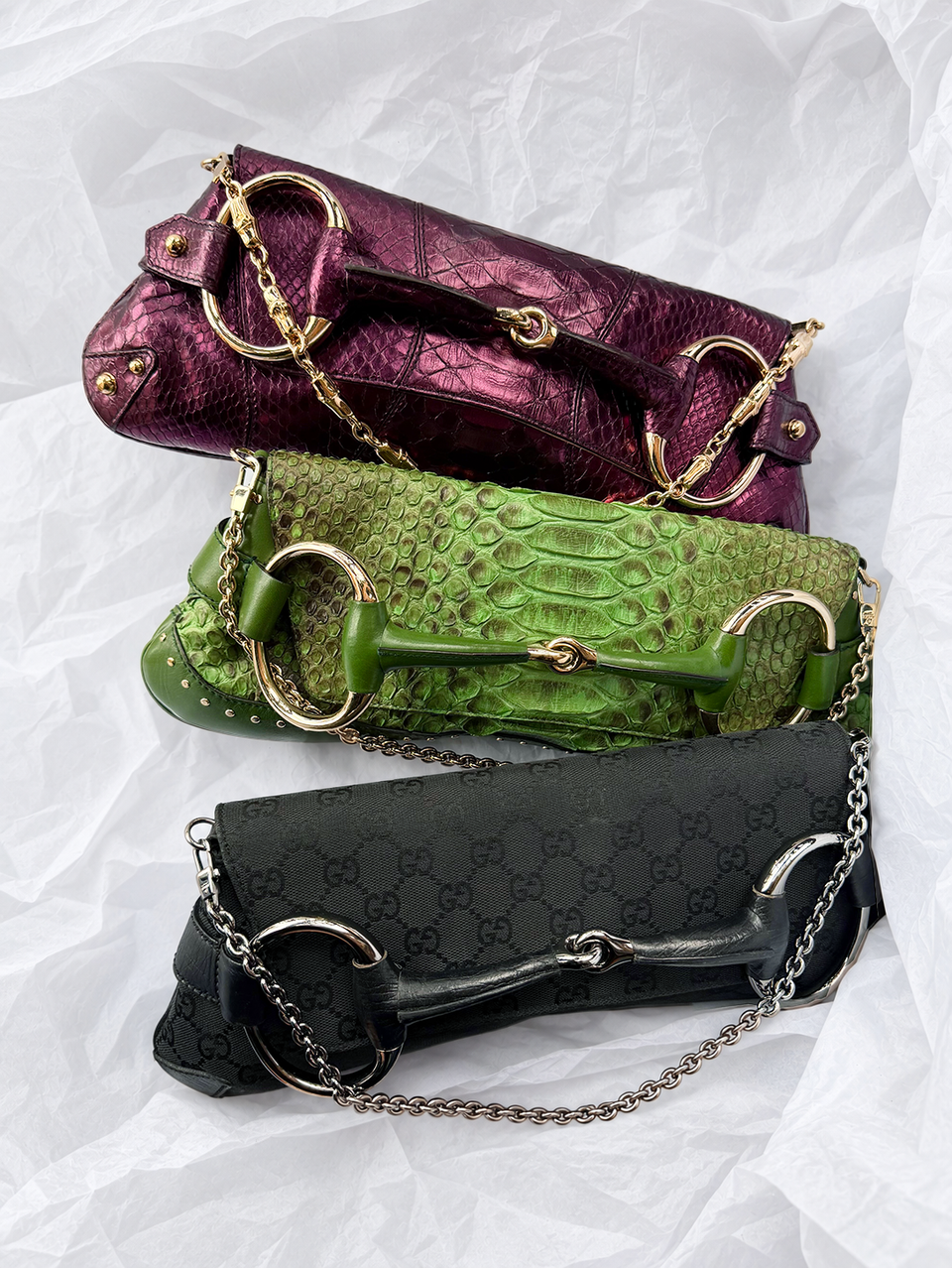
The Gucci by Tom Ford 1995 Metallic Purple Python Leather GG Horsebit Bag is a perfect example of the shift. The Horsebit itself is instantly recognizable, but the metallic purple python pushes it firmly into Tom Ford territory.
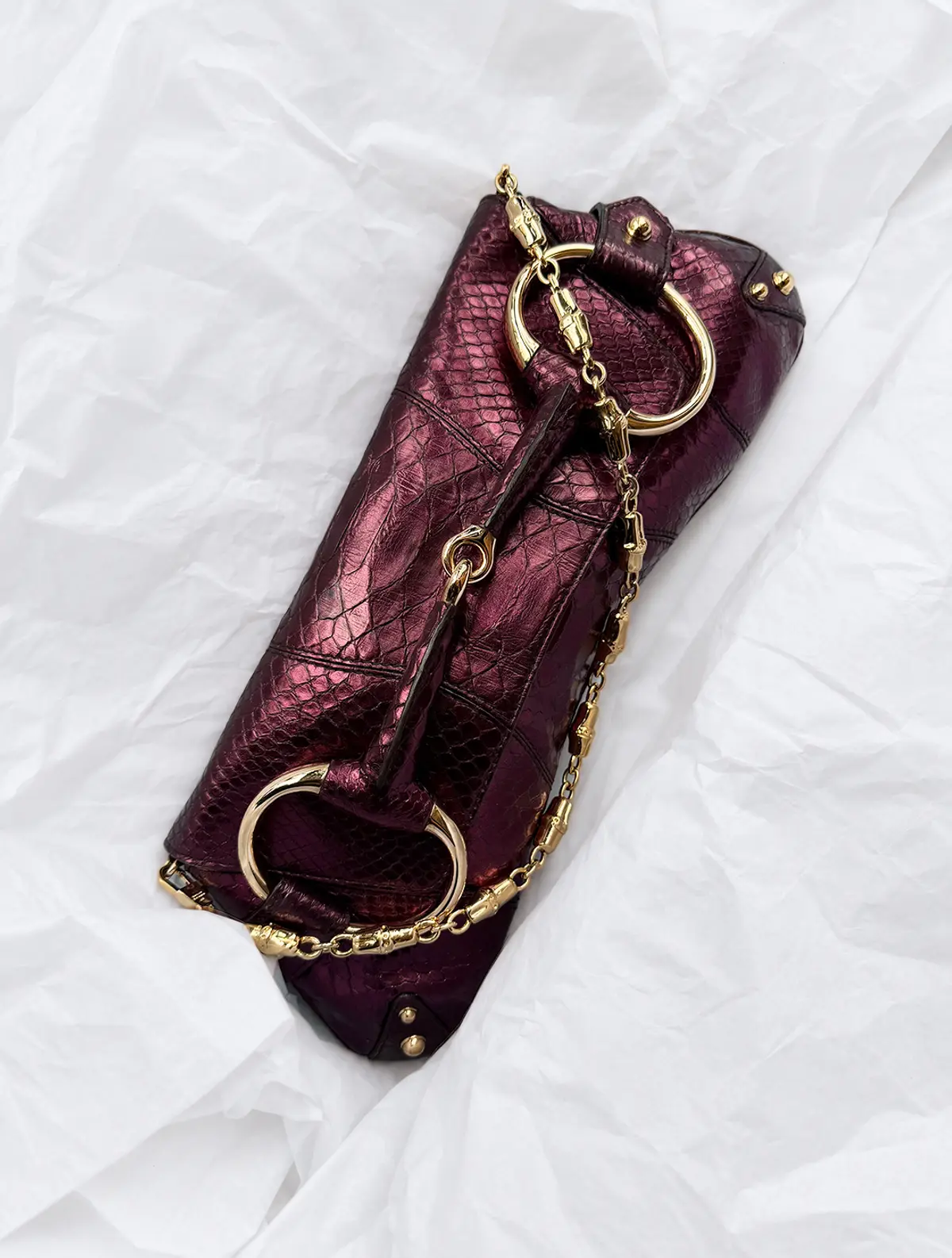
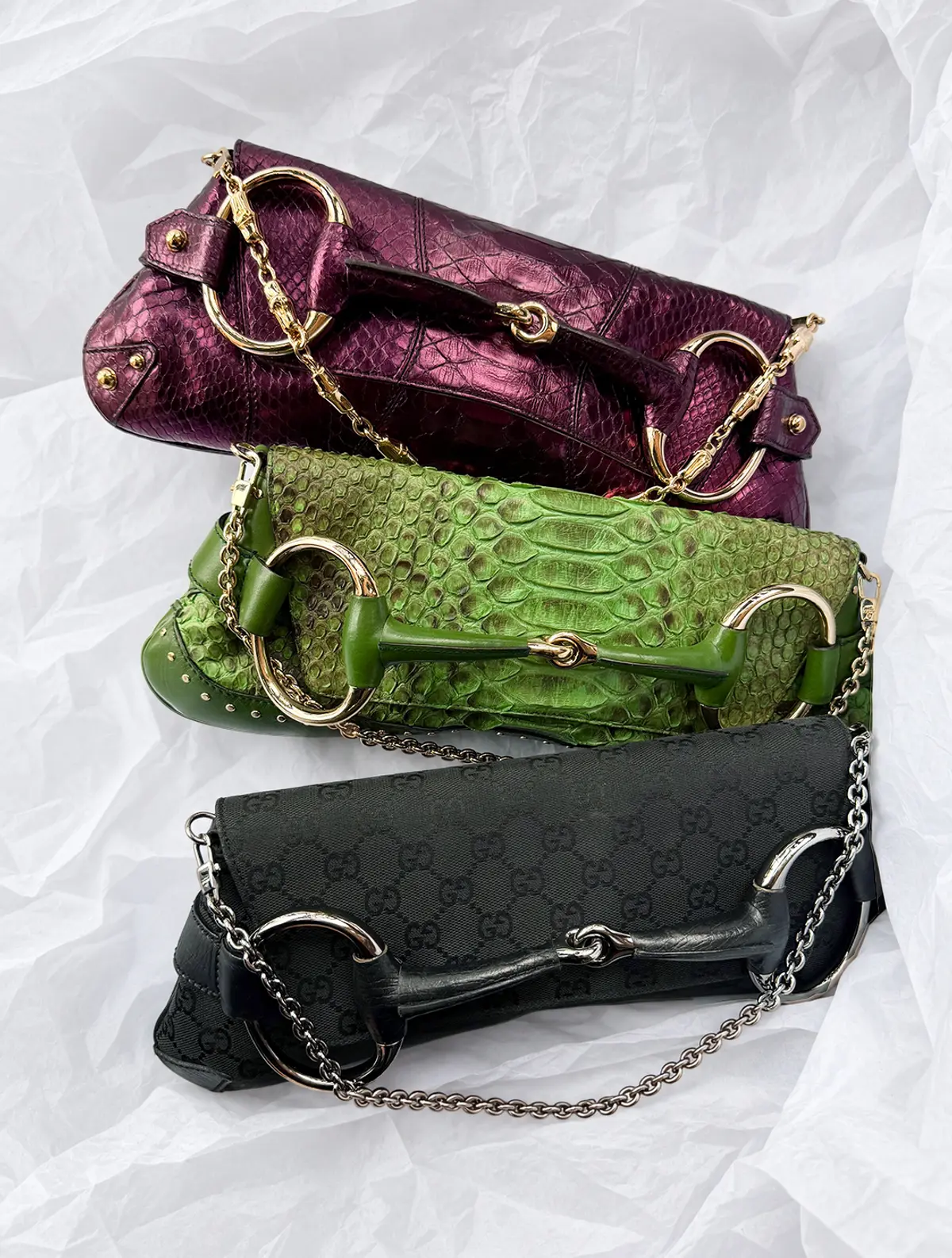
There is nothing restrained about it. The color is intense, the material is luxurious, and the combination of GG canvas and Horsebit hardware makes the bag feel unmistakably Gucci without relying on a conventional silhouette.
Then came the early 2000s, when the Horsebit became even more dramatic.
The Gucci by Tom Ford 2000s Black Lizard Leather GG Rhinestone Horsebit Bag takes the same visual language and turns the volume up: black lizard, rhinestone embellishment, GG detailing, and statement Horsebit hardware. It is precisely the kind of accessory that makes sense in the context of early-2000s Gucci, when maximalism wasn't a trend. It was the point.
The Gucci by Tom Ford 2000s Black Canvas and Leather GG Supreme Horsebit Bag, meanwhile, demonstrates how versatile the design could be. The black GG Supreme canvas and leather construction make it easier to wear, while the Horsebit keeps the bag anchored in Ford's Gucci universe.
Different materials, different personalities, same unmistakable code.
And Then There Was the Serpent
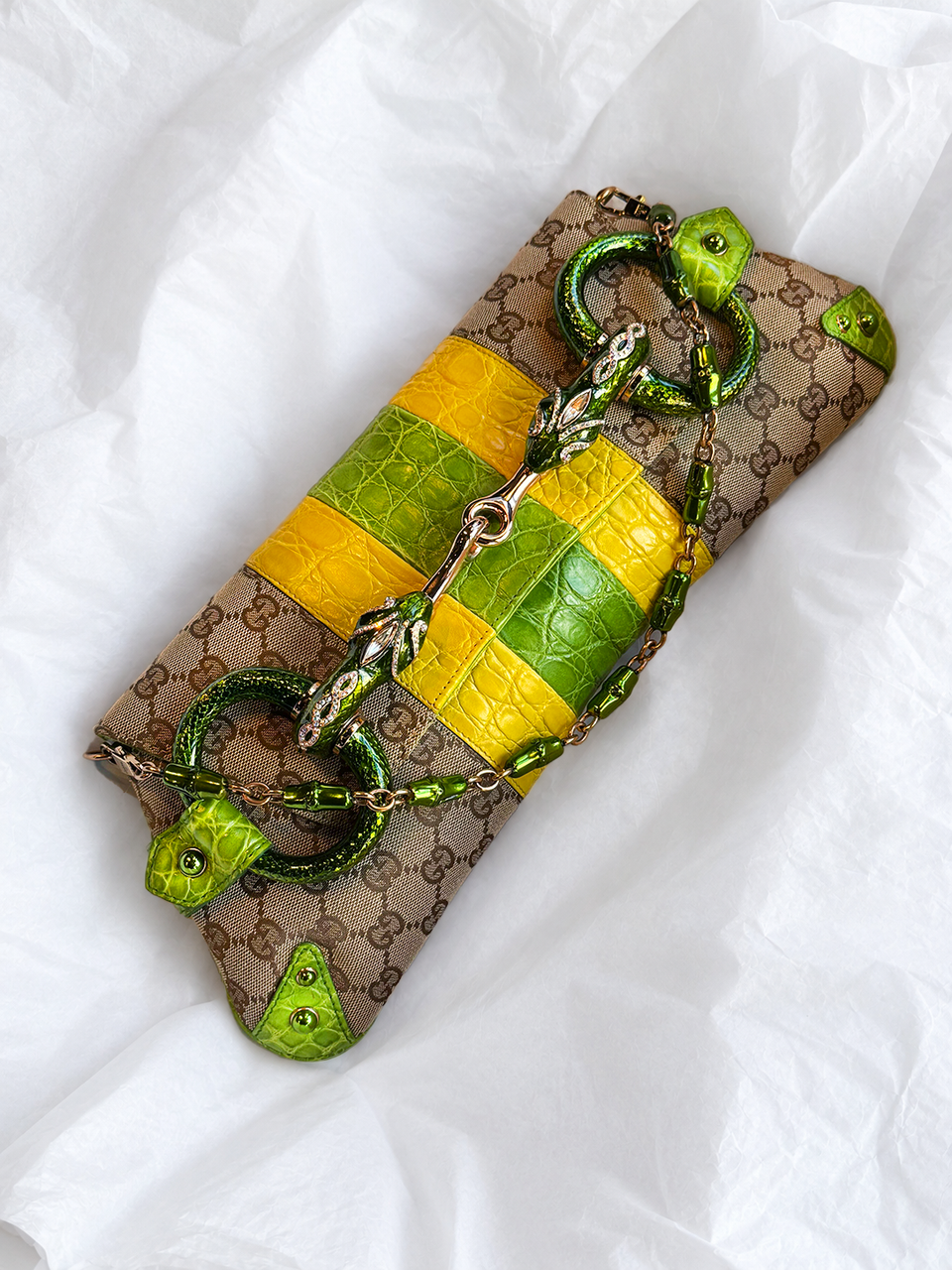
If there is one bag in our current selection that captures the theatrical side of Tom Ford's Gucci, it is the Gucci by Tom Ford 2004 Crystal Serpent Head GG Canvas Croc Leather Trim Horsebit Bag.
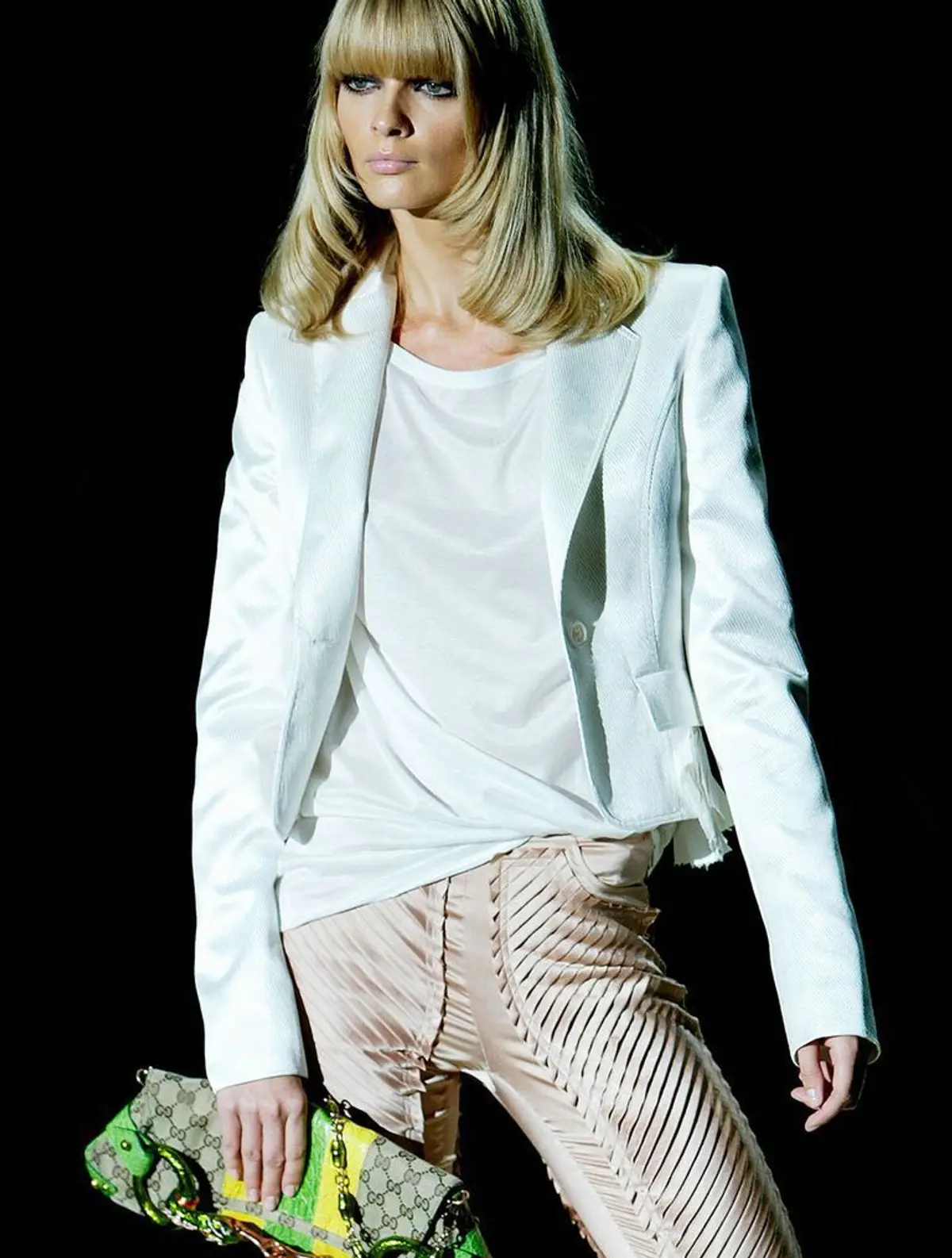
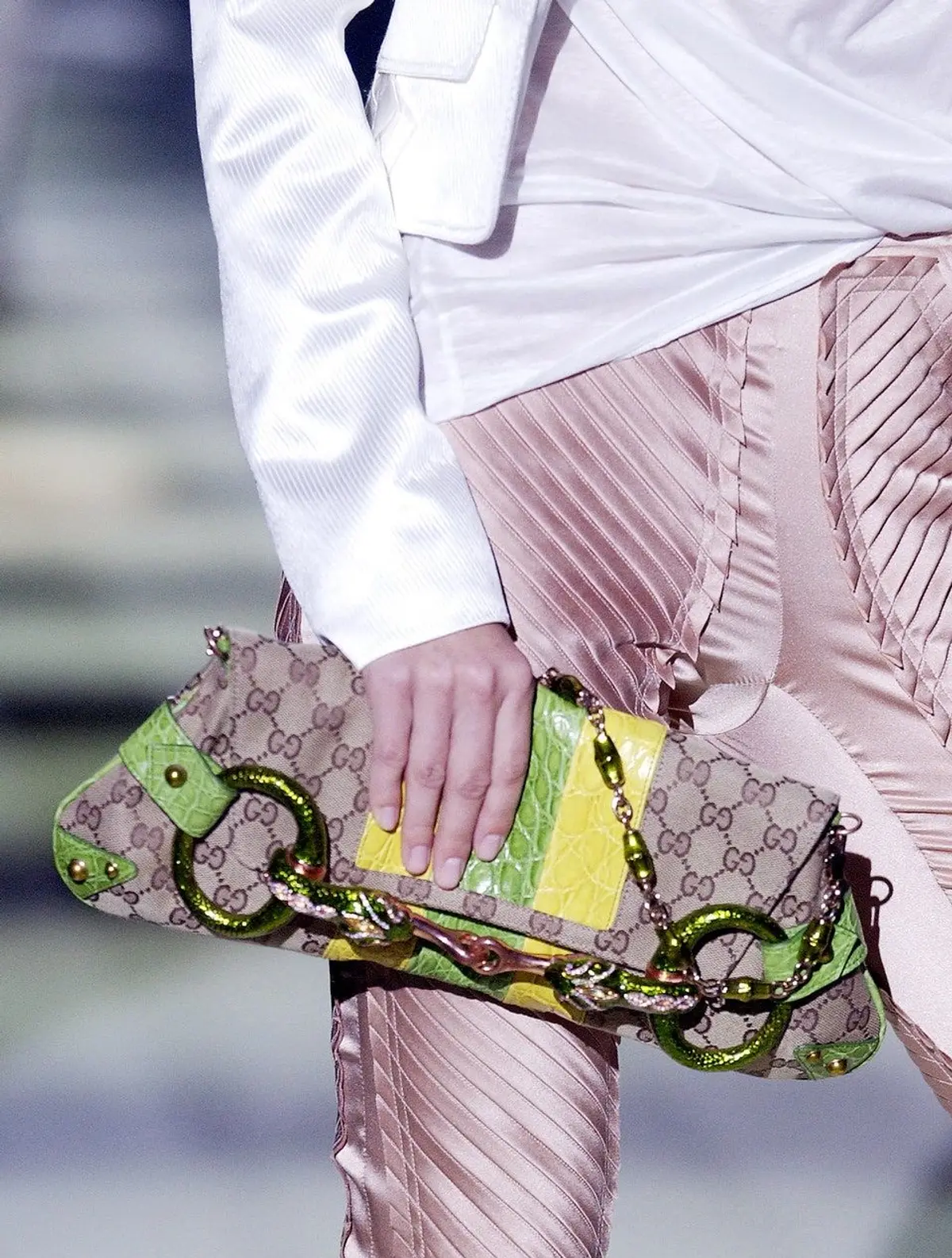
The combination of GG canvas, crocodile leather trim, Horsebit hardware, and a crystal-covered serpent head is pure early-2000s Gucci. It is glamorous without being polite and collectible without looking like it was designed to become a collector's piece.
We also have the Gucci by Tom Ford 2004 Limited Edition Crystal Serpent Head Horsebit Bag, currently available for rental only through our NYC showroom. For stylists looking for an original Tom Ford-era statement piece rather than a contemporary interpretation, this is exactly the kind of accessory that can completely change a look.
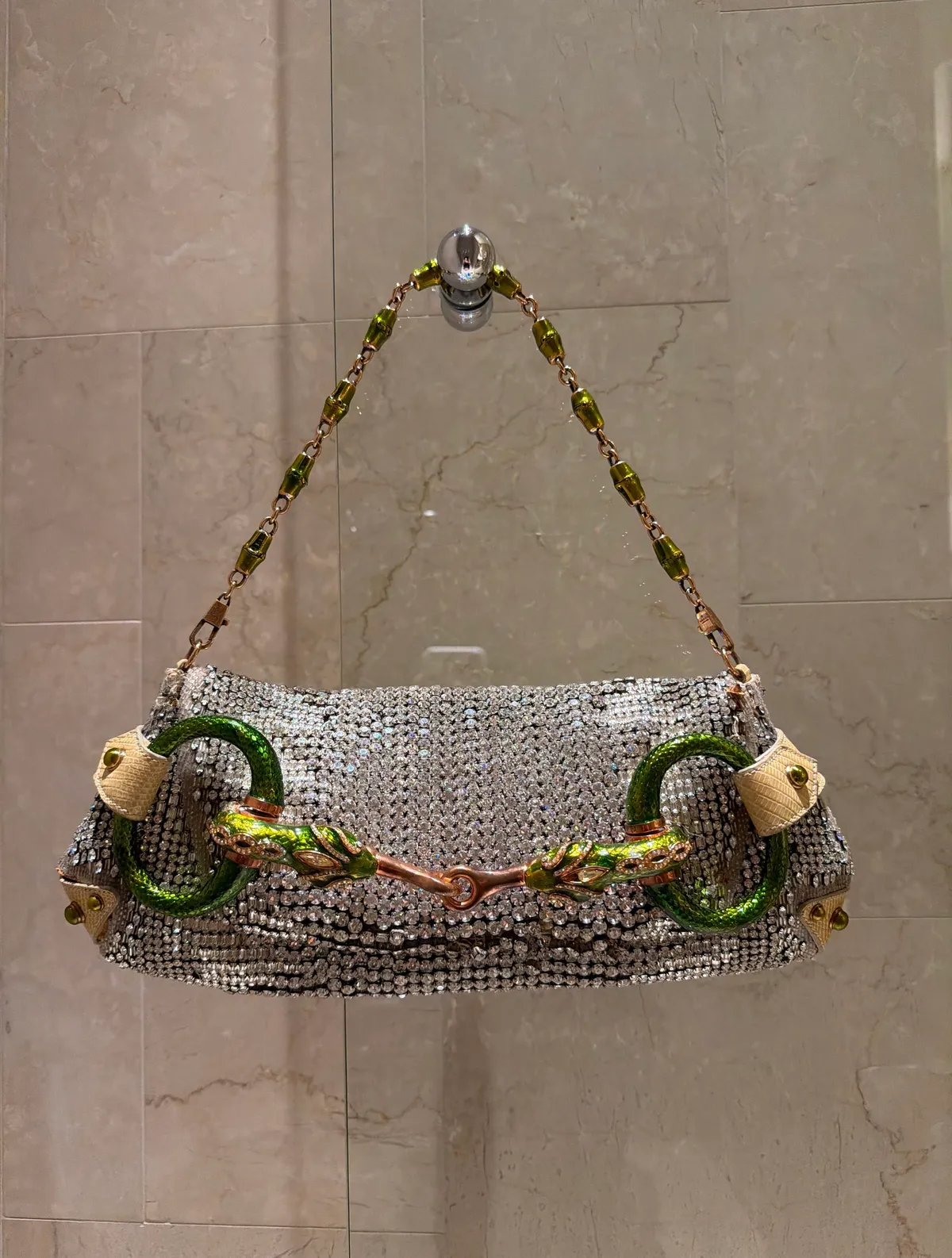
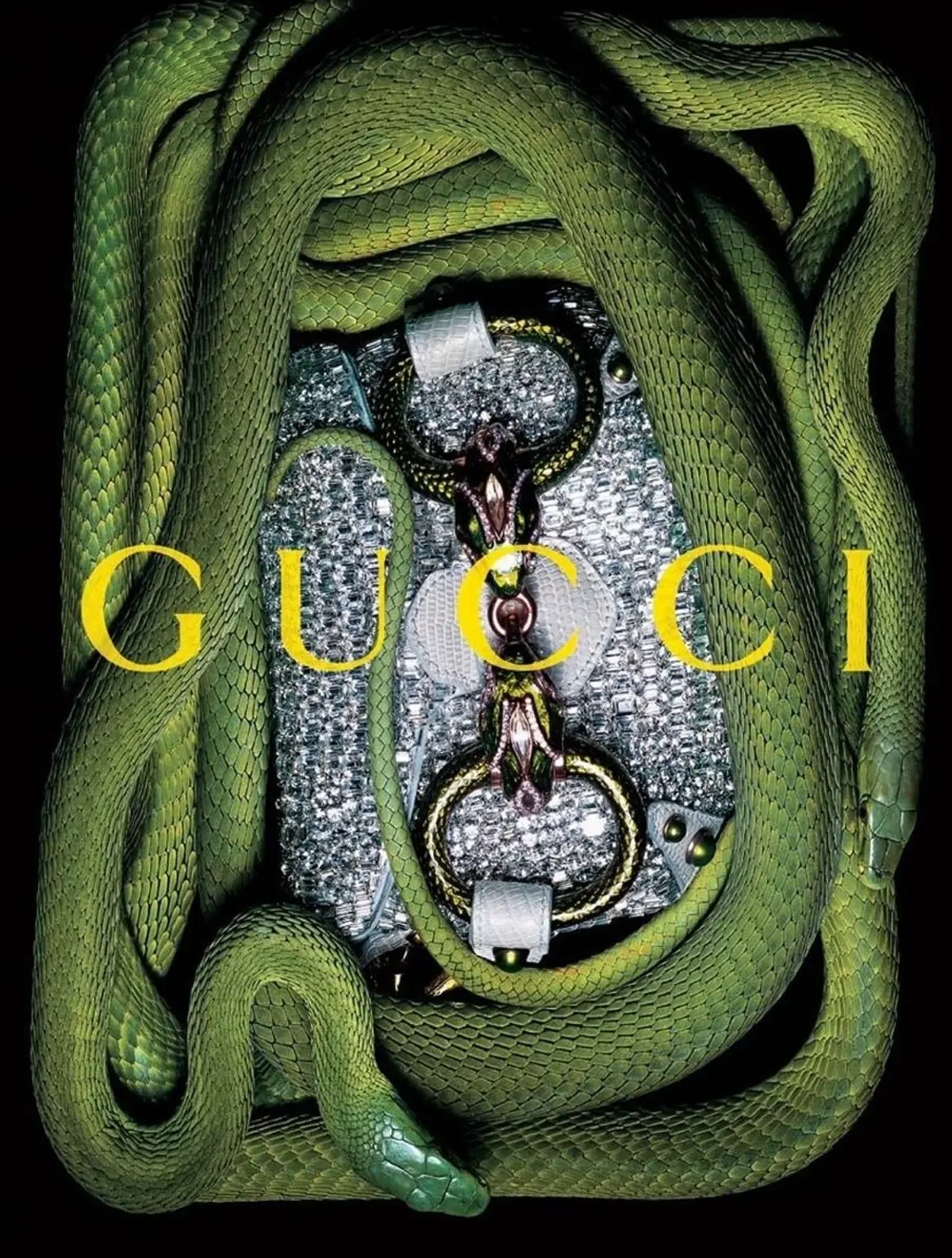
These are the pieces that explain the difference between vintage Gucci and Tom Ford Gucci.
The latter comes with a very specific cultural history attached to it.
When Celebrities Made the Horsebit a Status Symbol
The Horsebit's celebrity history stretches across generations, but its Tom Ford-era revival has become particularly visible through the wardrobes of today's fashion insiders.
Rihanna is probably the clearest example.
She has become one of the most visible collectors of vintage Tom Ford-era Gucci, repeatedly wearing pieces from the period rather than simply opting for contemporary reissues. In 2023, she was photographed carrying a vintage red Gucci Horsebit bag, and British Vogue noted that her collection includes multiple original Horsebit styles as well as other rare Tom Ford-era Gucci pieces.
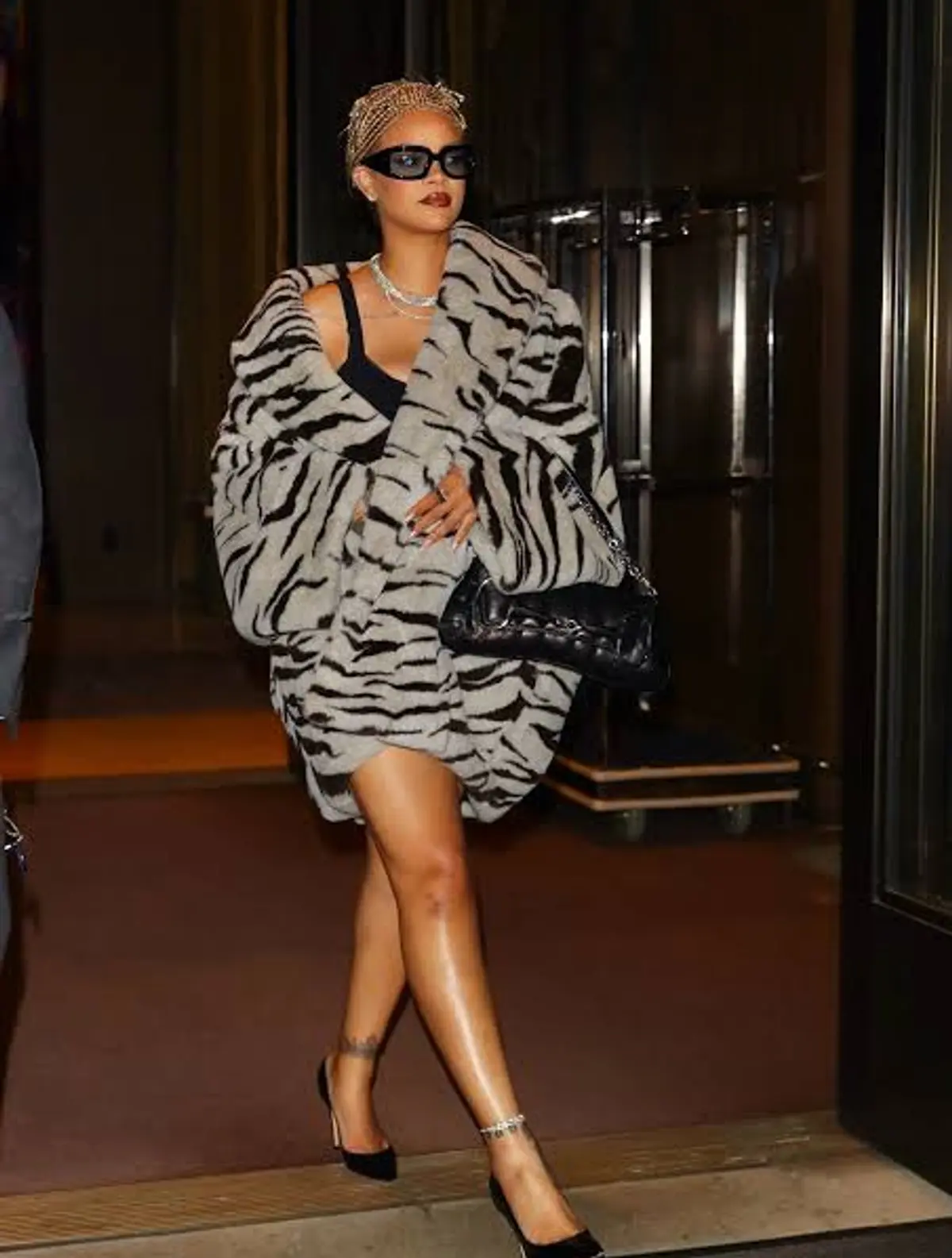
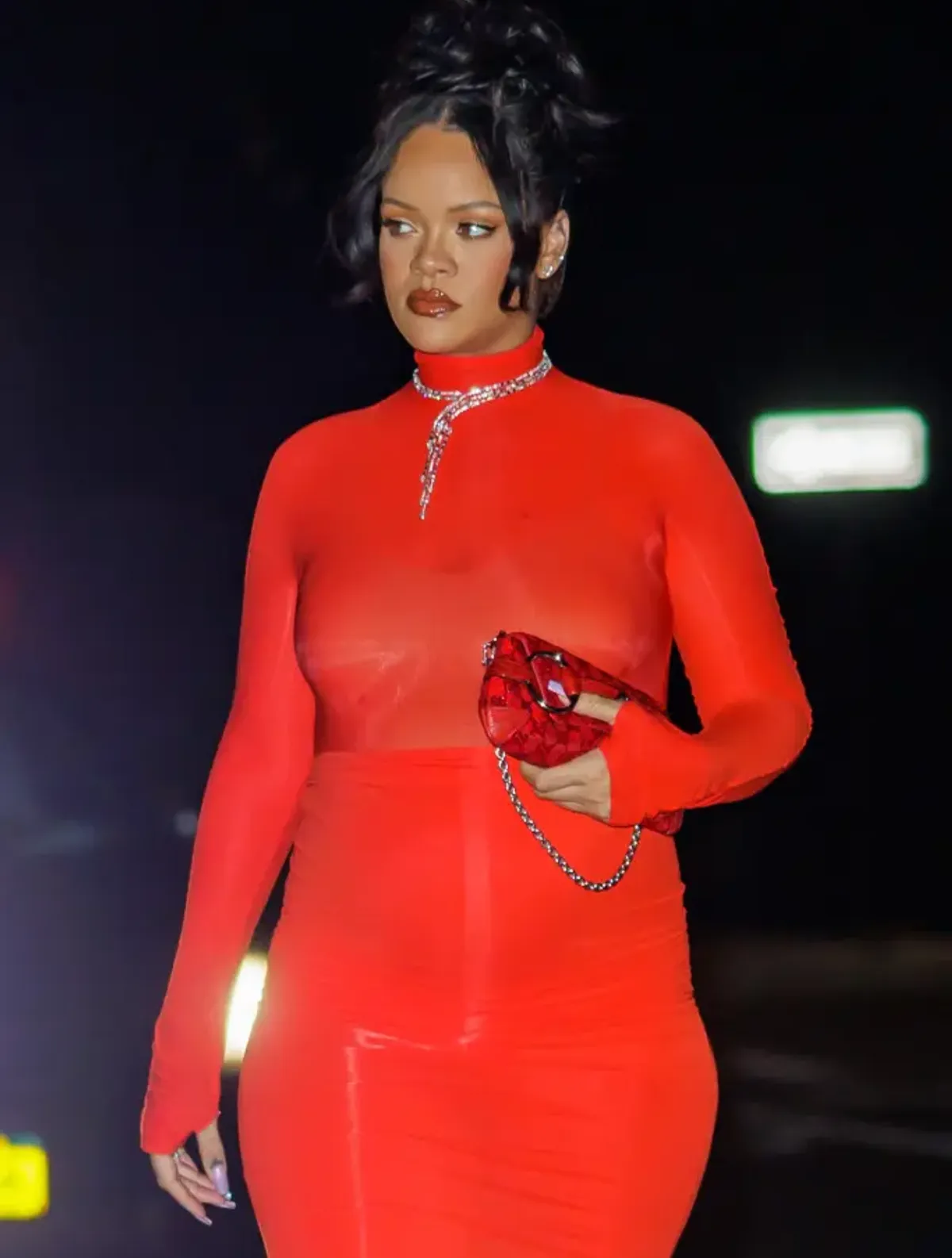
That matters because Rihanna isn't wearing these bags as retro costumes. She wears them alongside contemporary fashion, making a piece from the early 2000s look completely current.
In other words, she is doing exactly what great vintage does best: making the past feel new.
The Horsebit has also had its share of early-2000s celebrity moments. In March 2004, Lucy Liu and Gloria Gaynor were photographed carrying Gucci Horsebit Chain Clutches at Tom Ford's Rodeo Walk of Style Award event in Beverly Hills.
Lucy Liu's connection to the design has resurfaced in fashion history coverage, with Vogue Mexico specifically highlighting her carrying a 2004 revival of the Tom Ford-era Horsebit.
And the Horsebit Chain was not just a celebrity accessory. It appeared throughout the era's fashion ecosystem, including Gucci's Fall 2003 campaign, photographed by Mario Testino.
The bag was becoming part of the image of Gucci itself.
Why the Tom Ford Era Still Has an Effect
The enduring appeal of Tom Ford's Gucci isn't simply nostalgia.
Ford understood that a recognizable house code could be made exciting again by changing its attitude. The Horsebit had existed for decades before him, but he made it feel sensual, glamorous, and distinctly contemporary to the late '90s and early 2000s.
That is the real Tom Ford effect.
He took existing Gucci signatures — the GG monogram, the Horsebit, exotic skins, equestrian references — and stripped away anything that felt overly traditional. The result was a version of Gucci that became synonymous with sex appeal and celebrity culture.
And because that aesthetic was so specific to its era, the surviving pieces now have something contemporary versions cannot completely replicate: provenance within fashion history.
A vintage Tom Ford Gucci Horsebit isn't simply an old bag with a recognizable logo. It belongs to a very particular moment when Gucci fundamentally changed what luxury fashion could look like.
Why Vintage Gucci Is Having Another Moment
The Horsebit revival also fits into a much bigger shift happening in fashion.
The industry has become increasingly interested in archival pieces, particularly designs from the 1990s and early 2000s. But there is a difference between buying something that looks Y2K and buying something that actually came from the period.
That distinction is becoming increasingly important to collectors and stylists.
A contemporary bag can borrow the proportions, hardware, and monogram of a 2000s design. But an original Tom Ford Horsebit has the materials, construction, proportions, and context of the actual era.
And that is why the most interesting vintage pieces aren't necessarily the quietest ones.
The metallic purple python. The green exotic skin. The rhinestones. The crystal serpent.
These are not bags that were designed to disappear into an outfit.
They were designed to be the outfit.
So, Why Is Everyone Asking for the Horsebit?
Because the Horsebit sits at a rare intersection of fashion history, recognizable design, and genuine personality.
It has the heritage of a 1950s Gucci icon, the attitude of Tom Ford's 1990s and 2000s Gucci, and the cultural relevance of a design that keeps finding its way back onto the arms of celebrities.
And unlike some vintage trends that depend entirely on nostalgia, the Horsebit doesn't need you to remember the era to appreciate it.
You can look at a crystal serpent head, a metallic purple python bag, or a black lizard rhinestone Horsebit and immediately understand why someone would want it.
That is the power of a real fashion icon.
The Horsebit has been through the 1950s, the '70s, Tom Ford's Gucci, the Y2K era, the runway revival, and the current vintage obsession. It has changed shape, material, scale, and attitude along the way.
But the double ring and bar remain.
The Gucci Horsebit isn't having a comeback. It's having another chapter.
Shop the Tom Ford Gucci Horsebit Archive
Into Archive's selection of vintage Gucci Horsebit bags brings together rare examples from the Tom Ford era, from exotic skins and GG canvas to rhinestone embellishment and crystal serpent details.
Availability changes quickly, and select pieces are available exclusively for rental through our NYC showroom.
→ Book a private showroom appointment
Into Archive is a global destination for rare and archival fashion, bringing together collectible pieces from leading designers, independent collectors, and international vendors. Visit our New York showroom by appointment to explore the archive in person.
La La Anthony Does Paris Fashion Week in Vintage Emanuel Ungaro
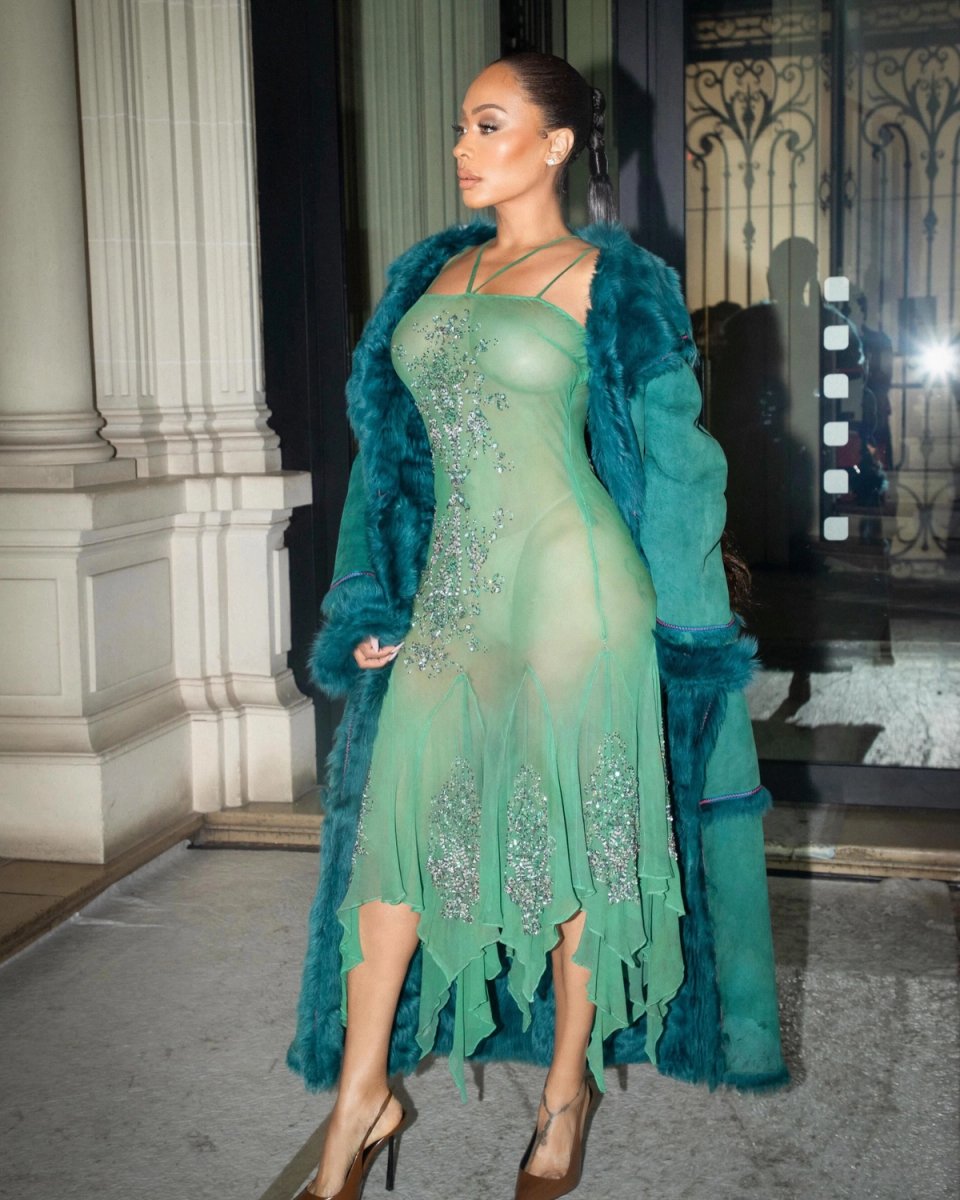
La La Anthony Does Paris Fashion Week in Vintage Emanuel Ungaro
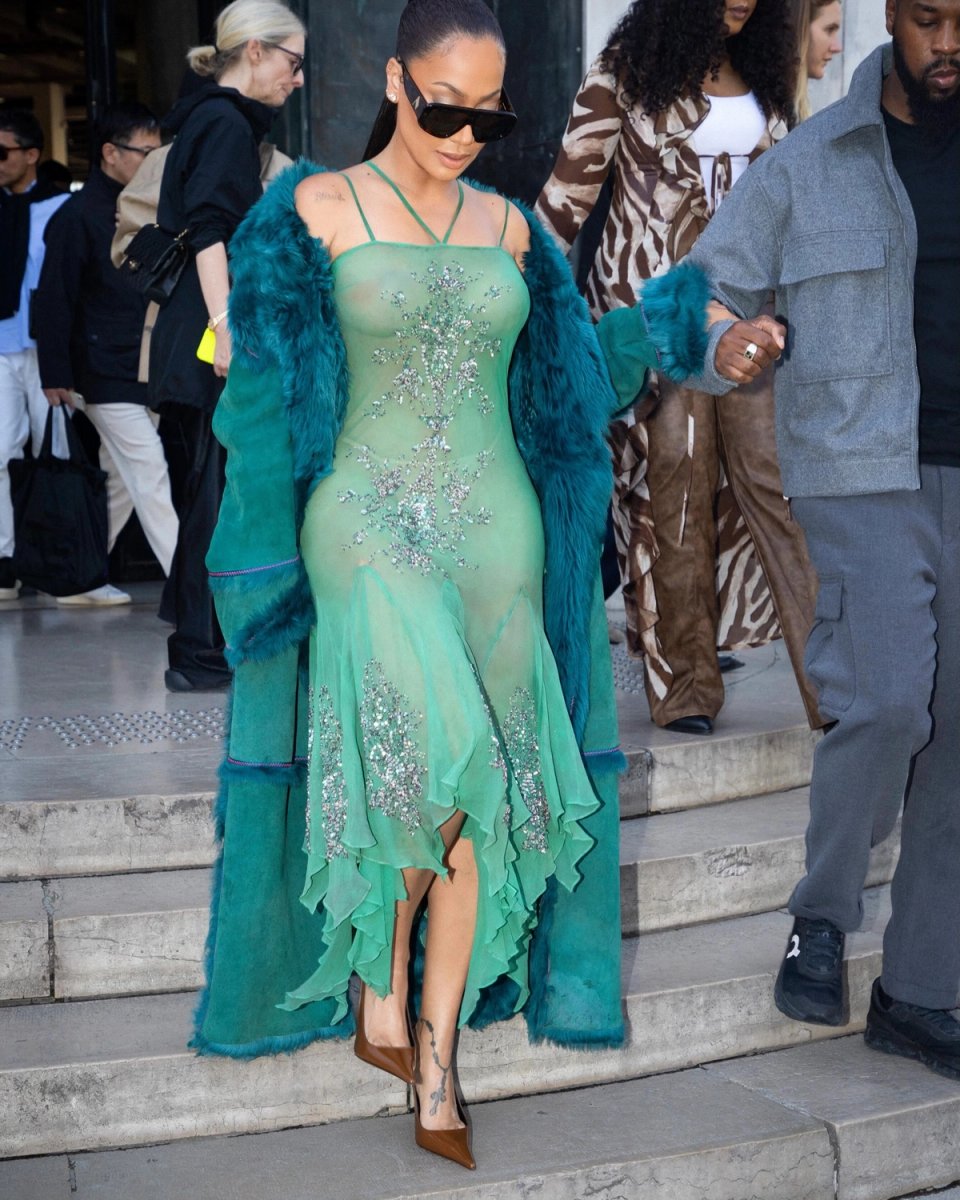
La La Anthony Does Paris Fashion Week in Vintage Emanuel Ungaro
La La Anthony Does Paris Fashion Week in Vintage Emanuel Ungaro
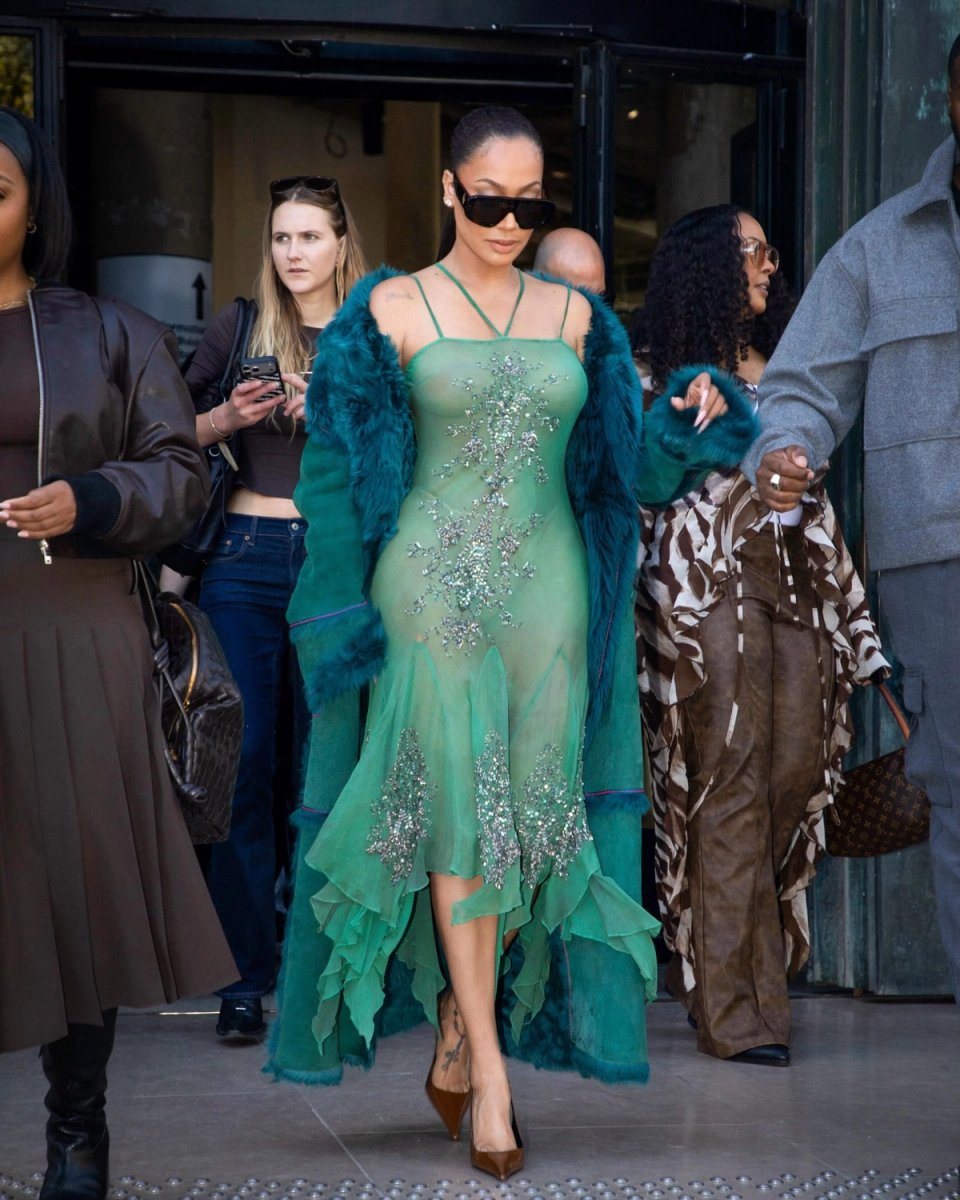
Paris Fashion Week is always a good excuse to dress up. But while the streets are filled with the newest collections, La La Anthony made a particularly strong case for looking backward.
Stepping out in Paris, La La wore two pieces from the Into Archive rental collection: a dramatic 2000s Emanuel Ungaro dark turquoise Mongolian lambskin long trench coat layered over a 2000s green silk sequin embellished dress. Together, the pieces brought plenty of early-2000s glamour to the streets of Paris, with rich color, dramatic texture, and just the right amount of sparkle.
And yes, these are the kinds of archive pieces we love seeing outside the showroom.
The Look: Dark Turquoise Lambskin and Green Silk
The star of the look was the Emanuel Ungaro 2000s Dark Turquoise Mongolian Lambskin Long Trench Coat. Made from plush Mongolian lambskin, the long trench comes in an intense dark turquoise shade that immediately commands attention. With its elongated silhouette and dramatic texture, it's the kind of vintage coat that can carry an entire look on its own.
La La layered the coat over the 2000s Green Silk Sequin Embellished Dress, bringing an entirely different texture into the mix. The delicate silk, sheer finish, and intricate sequin embellishment create a striking contrast against the weight and volume of the lambskin coat.
The styling kept everything else relatively simple. Pointed brown pumps, dark sunglasses, and a sleek pulled-back ponytail let the vintage pieces do what they do best: make an entrance.
The result feels very early 2000s without looking like a costume from the era. It's all about the combination of textures, color, and proportion.
Why Emanuel Ungaro?
If you've spent any time exploring vintage Emanuel Ungaro, you'll know that subtle was never really the point.
The French designer founded his namesake house in Paris in 1965 and became known for expressive color, sensual silhouettes, bold prints, and an unmistakable approach to glamour. His designs often embraced contrast, pairing luxurious materials with dramatic shapes and unexpected color combinations.
That sensibility makes Ungaro particularly exciting to revisit through vintage fashion.
La La's 2000s trench is a perfect example. The dark turquoise shade is unexpected, while the Mongolian lambskin gives the coat an almost theatrical quality. It's glamorous in the way only a great vintage coat can be: slightly excessive, completely memorable, and impossible to mistake for something basic.
And that's exactly why pieces like this work so well for styling today. You don't need an entire vintage look. One incredible coat can completely transform an outfit.
The 2000s Are Having a Moment
The early 2000s are having another major fashion moment, but the best way to revisit the era isn't necessarily through obvious Y2K references.
Instead, we're seeing renewed interest in the details that defined the period: slinky silk, embellishment, sheer fabrics, dramatic outerwear, unusual color combinations, and clothes that were designed to be noticed.
La La's look checks every box without feeling overly literal.
The green silk sequin dress brings the sensuality and shine associated with early-2000s eveningwear, while the oversized lambskin trench adds a more dramatic, almost cinematic layer. It's a combination that feels rooted in the decade while still looking completely at home on the streets of Paris.
For stylists and clients looking for 2000s vintage fashion, it's a good reminder that the era had much more to offer than low-rise jeans and logo bags.
The Beauty of a Really Good Vintage Coat
There is a reason statement outerwear keeps finding its way back into the fashion conversation.
A great coat can completely change the proportions of an outfit. In this case, the long silhouette of the Emanuel Ungaro trench creates an exaggerated frame around the much lighter silk dress underneath. When worn open, you get the contrast between the heavy lambskin and delicate embellishment. When closed, the coat becomes the entire look.
That versatility is exactly what makes statement vintage outerwear so useful for editorial shoots, celebrity styling, red carpet moments, and fashion week dressing.
And a dark turquoise Mongolian lambskin trench? Even better.
Why Vintage Works So Well During Fashion Week
There's something particularly satisfying about seeing archival fashion during Paris Fashion Week.
Fashion week is built around newness: new collections, new trends, new faces, new clothes. Vintage exists outside of that cycle. A piece from the 2000s can suddenly feel completely relevant because someone styles it differently.
That's part of the appeal of archive fashion. You're not simply dressing for whatever happens to be trending this season. You're working with pieces that have their own history, construction, and point of view.
La La's Paris look does exactly that. The Emanuel Ungaro coat doesn't need to imitate a current runway trend to feel relevant. The green silk dress doesn't need to look like something from a new collection. Together, they already have a story.
The styling simply gives that story a new chapter.
From the Into Archive Showroom to Paris
The best part? These pieces aren't sitting in a museum behind glass.
Both the Emanuel Ungaro lambskin trench coat and green silk sequin embellished dress are part of Into Archive's NYC showroom rental collection, available for approved styling, editorial, celebrity, and event requests.
Our New York showroom houses an ever-changing selection of rare vintage and archival fashion sourced from collectors and vendors around the world. For stylists looking for a specific era, designer, silhouette, or statement piece, the showroom offers the opportunity to pull and work with pieces in person.
So whether you're styling a fashion week appearance, editorial, campaign, music video, or red carpet moment, this is where the archive gets put to work.
Rent the Look
Want to pull La La Anthony's Paris Fashion Week look?
The Emanuel Ungaro 2000s Dark Turquoise Mongolian Lambskin Long Trench Coat and 2000s Green Silk Sequin Embellished Dress are available for rental exclusively through Into Archive's NYC showroom.
Explore more vintage Emanuel Ungaro, 2000s designer fashion, vintage coats and outerwear, and vintage dresses available for styling and rental.
→ Book a private showroom appointment
Into Archive is a global destination for rare and archival fashion, bringing together collectible pieces from leading designers, independent collectors, and international vendors. Visit our New York showroom by appointment to explore the archive in person.
The Cavalli Files: A Guide to Roberto Cavalli’s Many Labels
The Cavalli Files: A Guide to Roberto Cavalli’s Many Labels
The Cavalli Files: A Guide to Roberto Cavalli’s Many Labels
The Cavalli Files: A Guide to Roberto Cavalli’s Many Labels
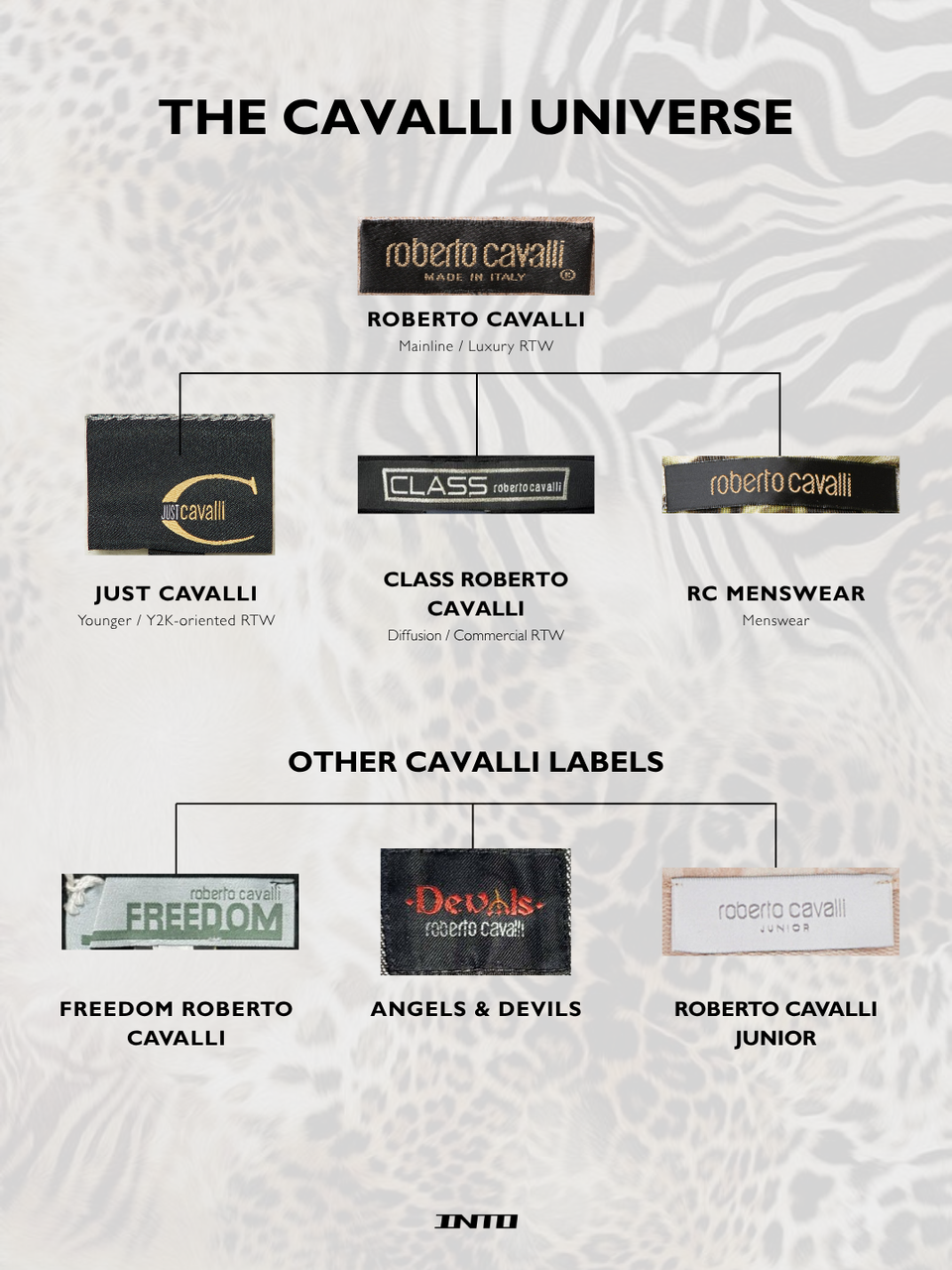
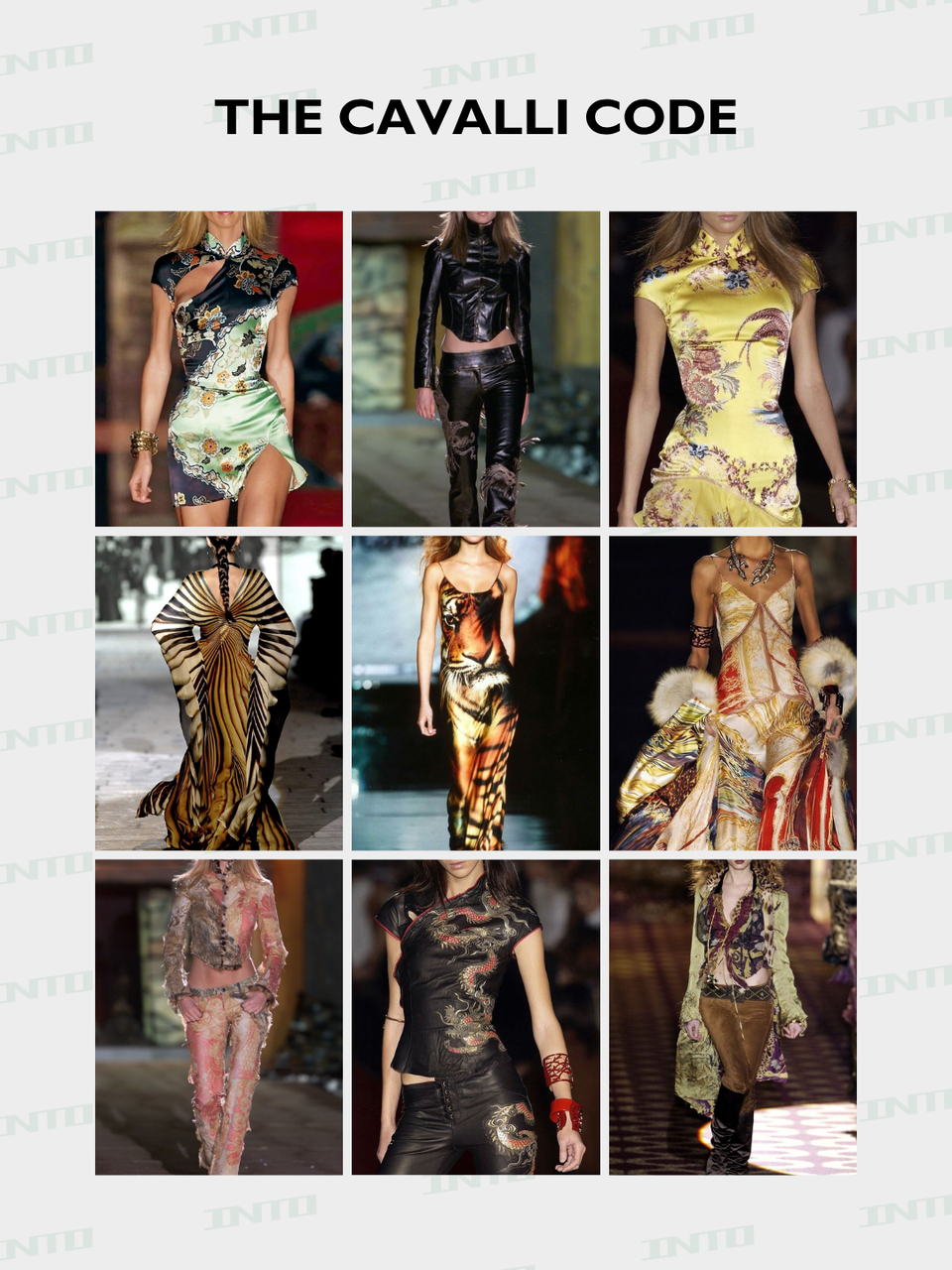
From the iconic Roberto Cavalli mainline to Just Cavalli and Class Roberto Cavalli, the Italian house built an entire universe of labels around its signature mix of animal prints, sensual silhouettes, experimental denim and unapologetic glamour. But what exactly separates one Cavalli from another?
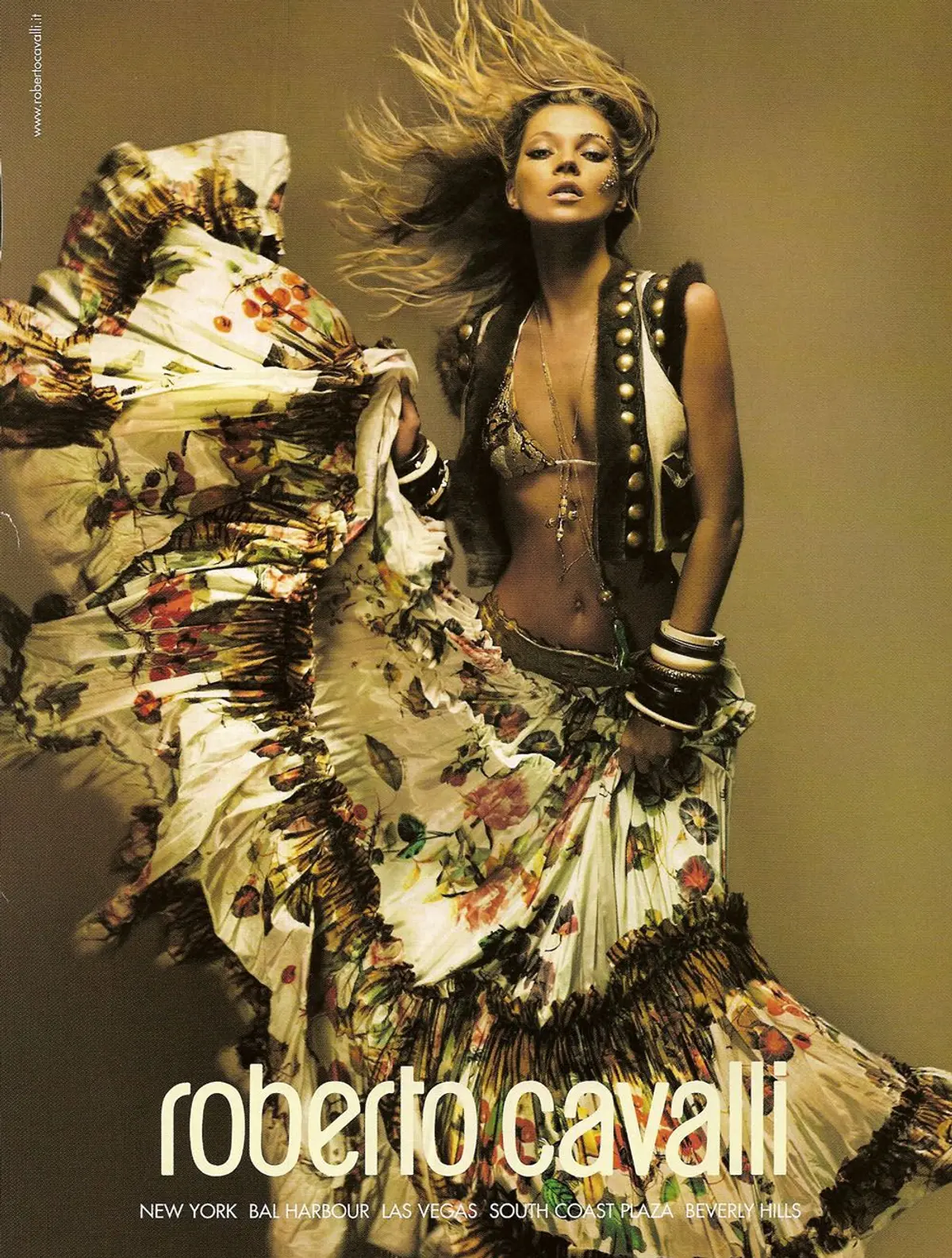
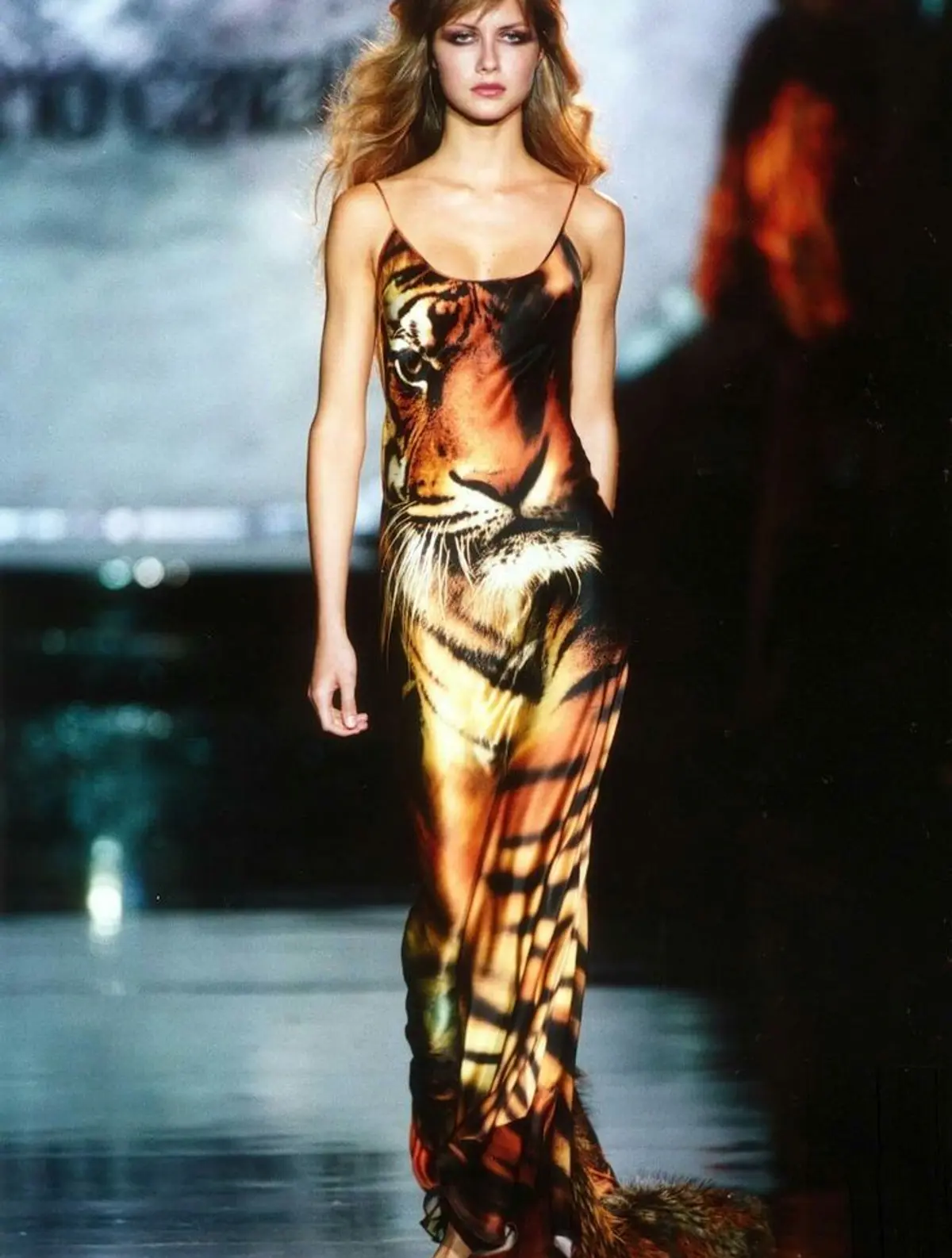
If you have ever found a vintage Cavalli piece and wondered which label it belongs to, you are not alone. The name Roberto Cavalli appears across decades of ready-to-wear, diffusion lines, menswear, accessories and licensed categories, making the brand's archive surprisingly complex to navigate.
For vintage collectors, that complexity is part of the fun. A label can tell you where a garment sits within the Cavalli universe, but the story becomes much more interesting when you look at the label alongside its date, design, materials and cultural context. A 2000s Just Cavalli mini dress, for example, represents a very different moment from a Roberto Cavalli runway gown from the same decade, even though both belong to the same fashion empire.
So, consider this your guide to decoding the Cavalli archive.
The Beginning of Roberto Cavalli
Long before Cavalli became synonymous with Y2K glamour and celebrity dressing, Roberto Cavalli was experimenting with textiles in Florence. His early work focused heavily on innovative printing techniques and leather, laying the foundation for the material experimentation that would become one of the defining characteristics of his career.
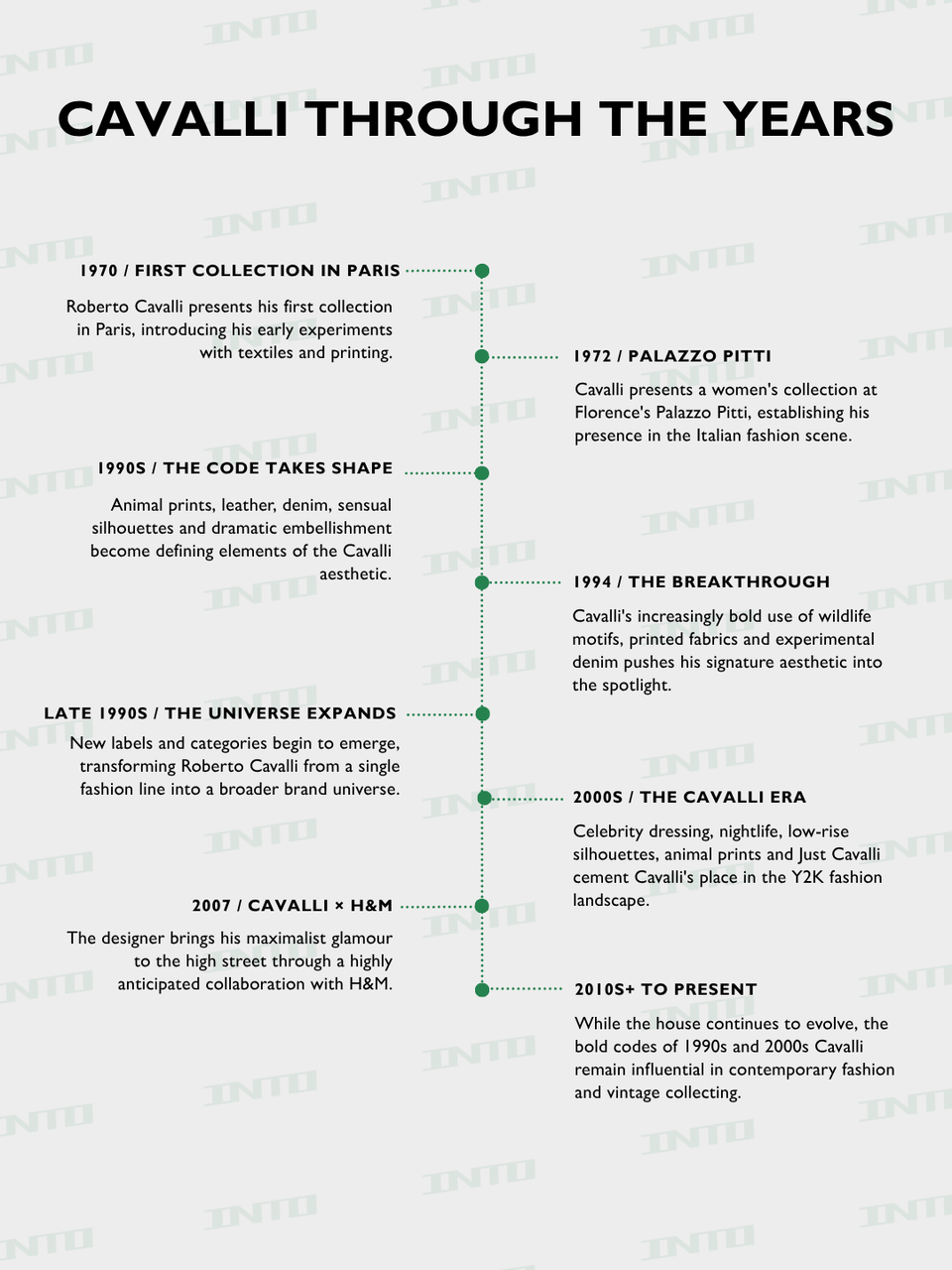
Cavalli presented his first collection in Paris in 1970 and showed a women's collection at Florence's Palazzo Pitti in 1972. His early work already demonstrated an interest in transforming unconventional materials into luxurious, highly visual garments.
The designer's breakthrough came in the 1990s. His 1994 collection introduced a particularly recognizable combination of wildlife motifs, printed garments, embellishment and dramatic silhouettes, while his experiments with sandblasted and stretch denim helped transform denim into something far more glamorous.
Cavalli was not interested in minimalism. His clothes were designed to be noticed, and that maximalist approach would eventually extend far beyond the main runway collection.
Roberto Cavalli: The Mainline
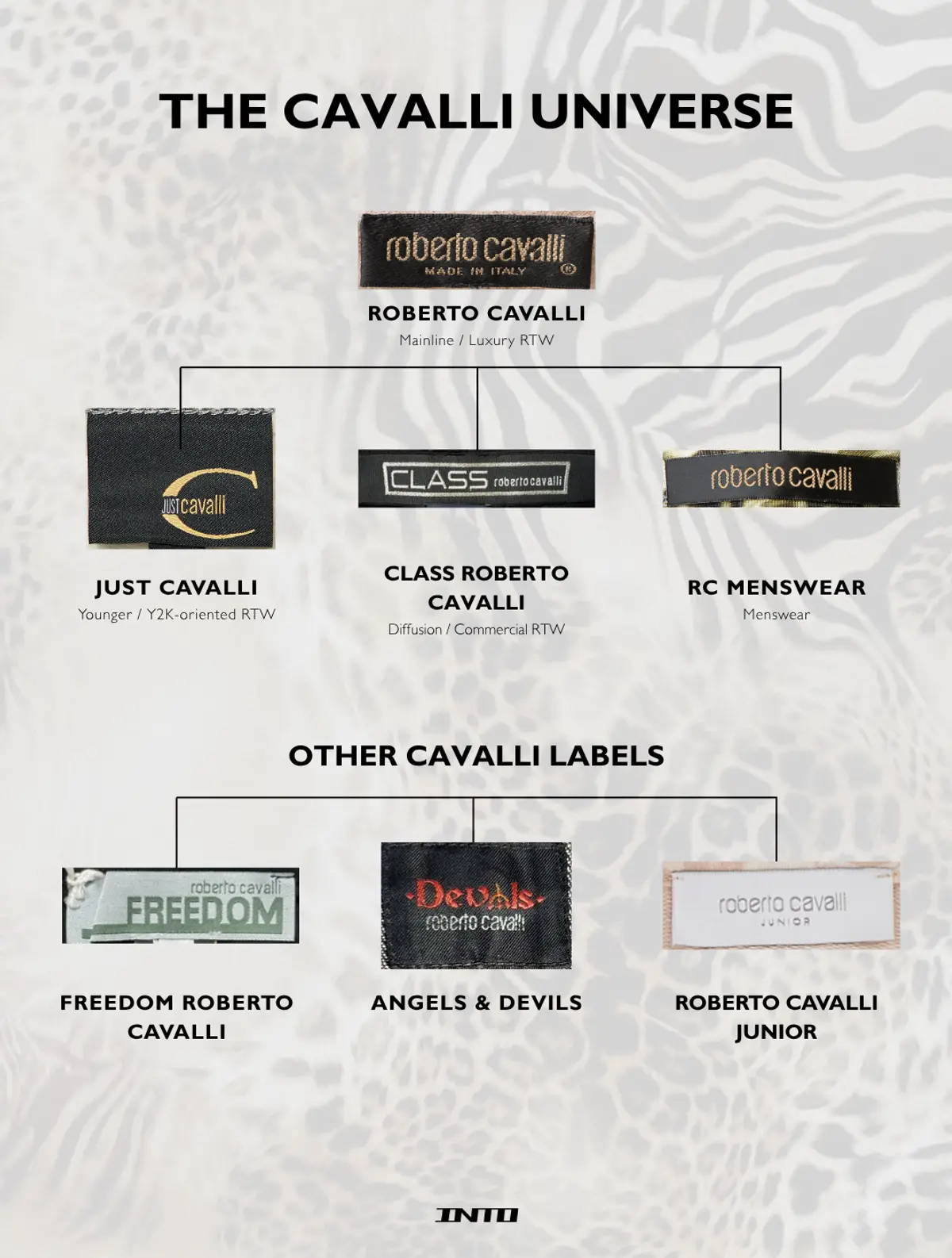
When a vintage garment simply carries the Roberto Cavalli label, you are generally looking at the house's principal luxury ready-to-wear collection. This is the label most closely associated with Cavalli's runway history and the signature codes that defined the designer's career.
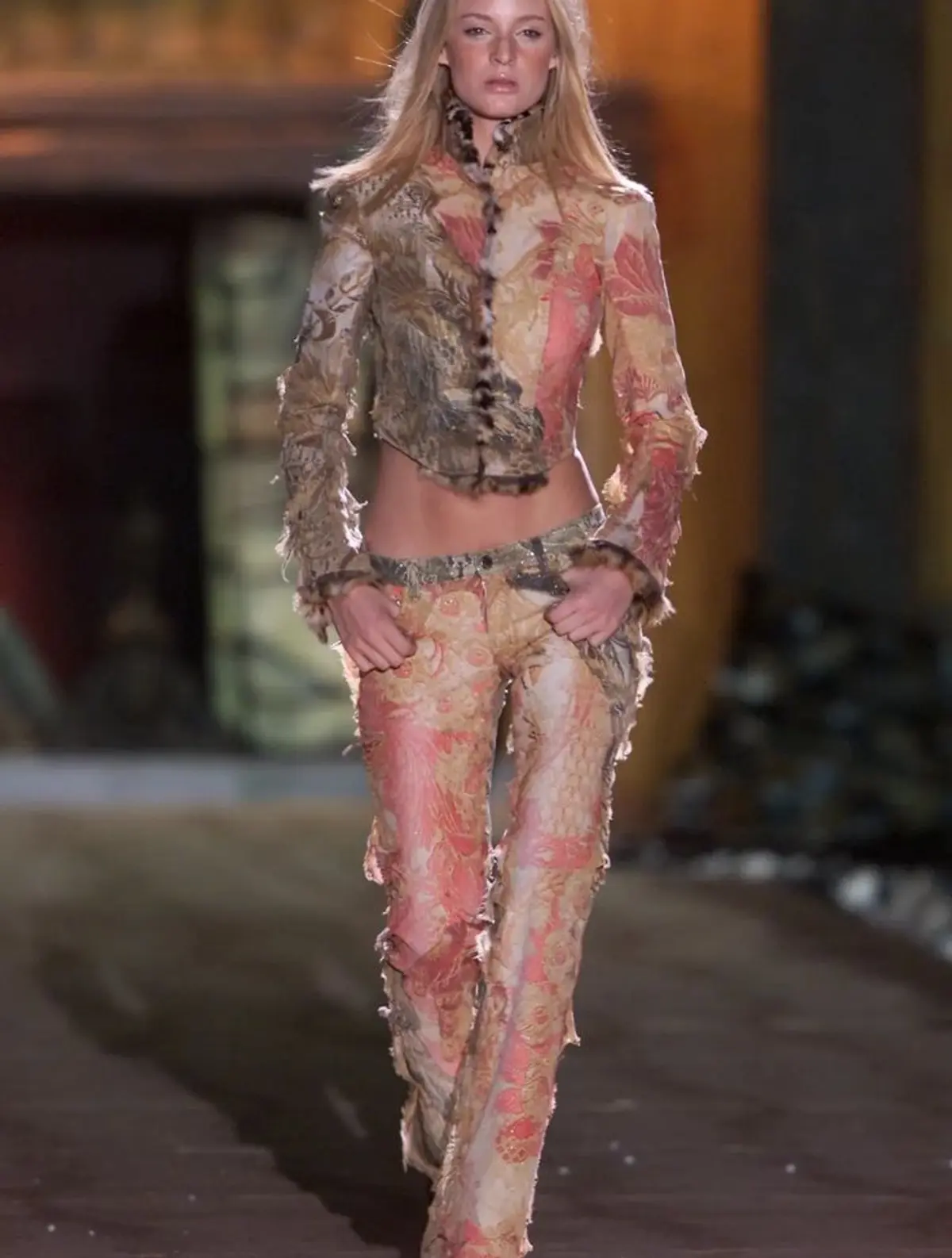
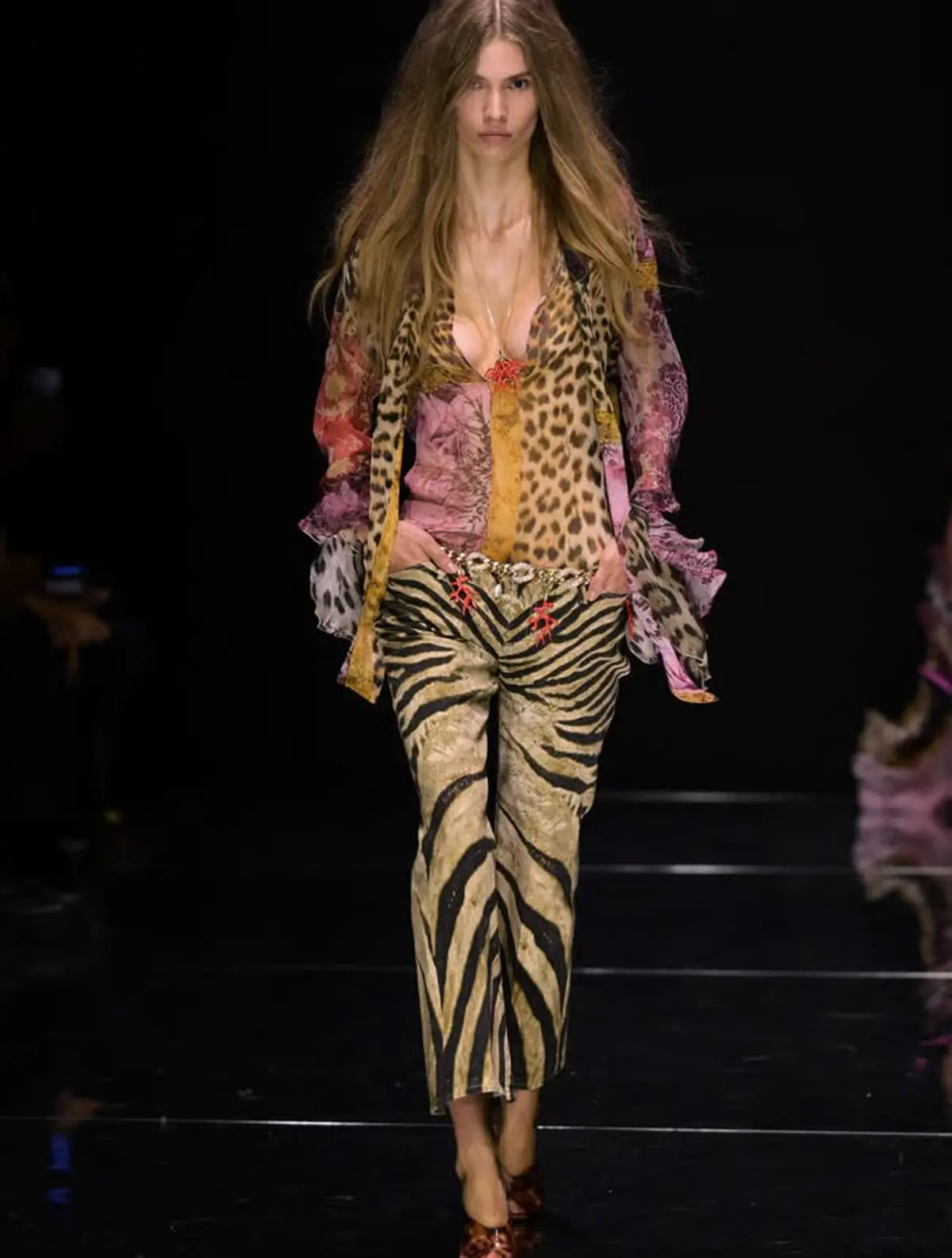
Animal prints, silk, leather, elaborate eveningwear, body-conscious silhouettes, experimental denim and intricate embellishment all became part of the Cavalli vocabulary. The mainline was not limited to glamorous gowns, however. Throughout the 1990s and 2000s, the collection encompassed everything from casual separates and denim to tailoring, outerwear and highly constructed evening pieces.
For vintage collectors, the distinction between an ordinary piece of old clothing and an important archival garment often comes down to context. The label is only the beginning. The season, silhouette, fabric, construction, print and relationship to a particular collection can all help establish why a piece matters.
That is why a vintage Roberto Cavalli garment should not automatically be evaluated simply by whether it is "mainline." The details are where the story lives.
Just Cavalli: The Younger Side of the Cavalli Universe
If Roberto Cavalli represents the house's main luxury collection, Just Cavalli represents its younger, more playful side.
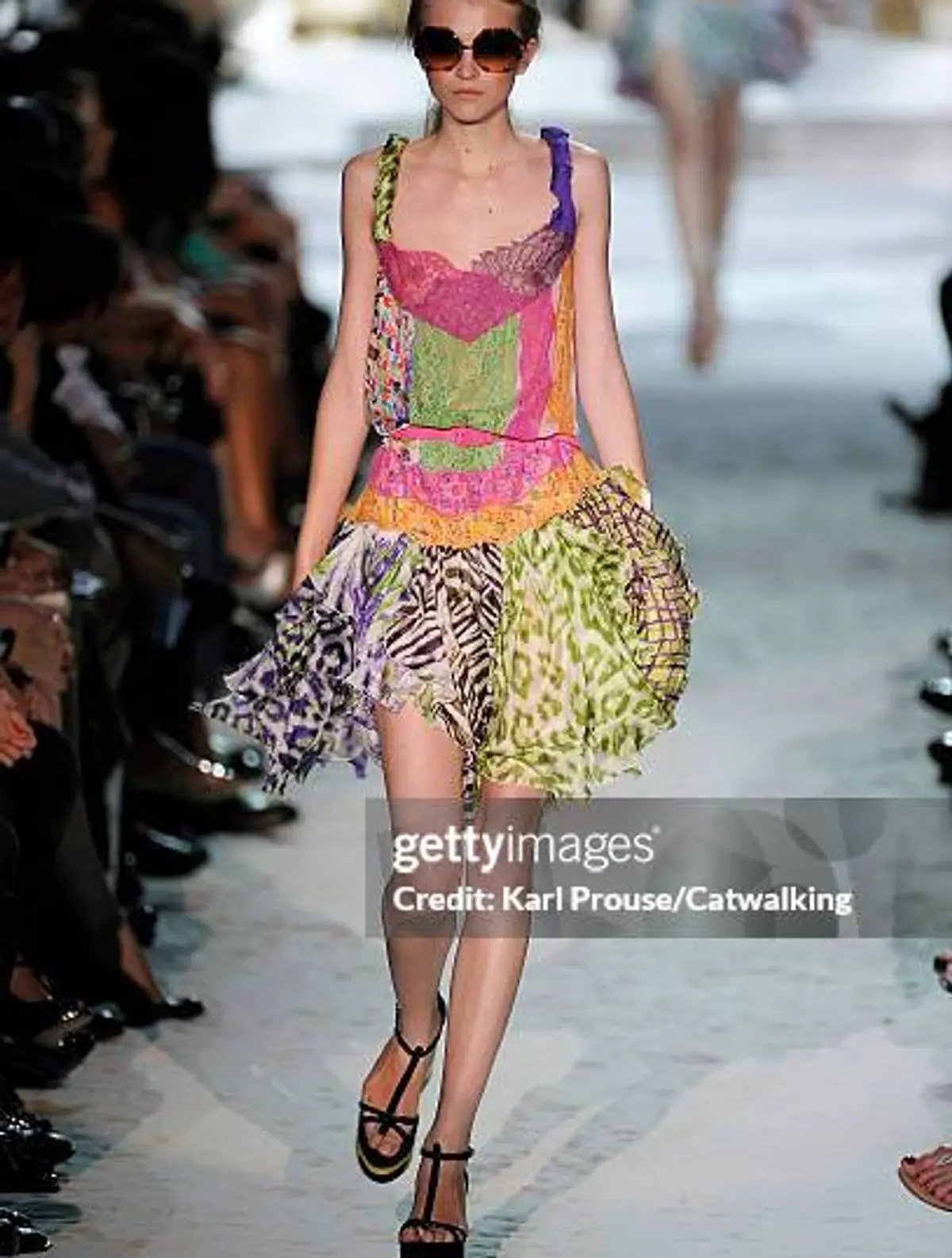
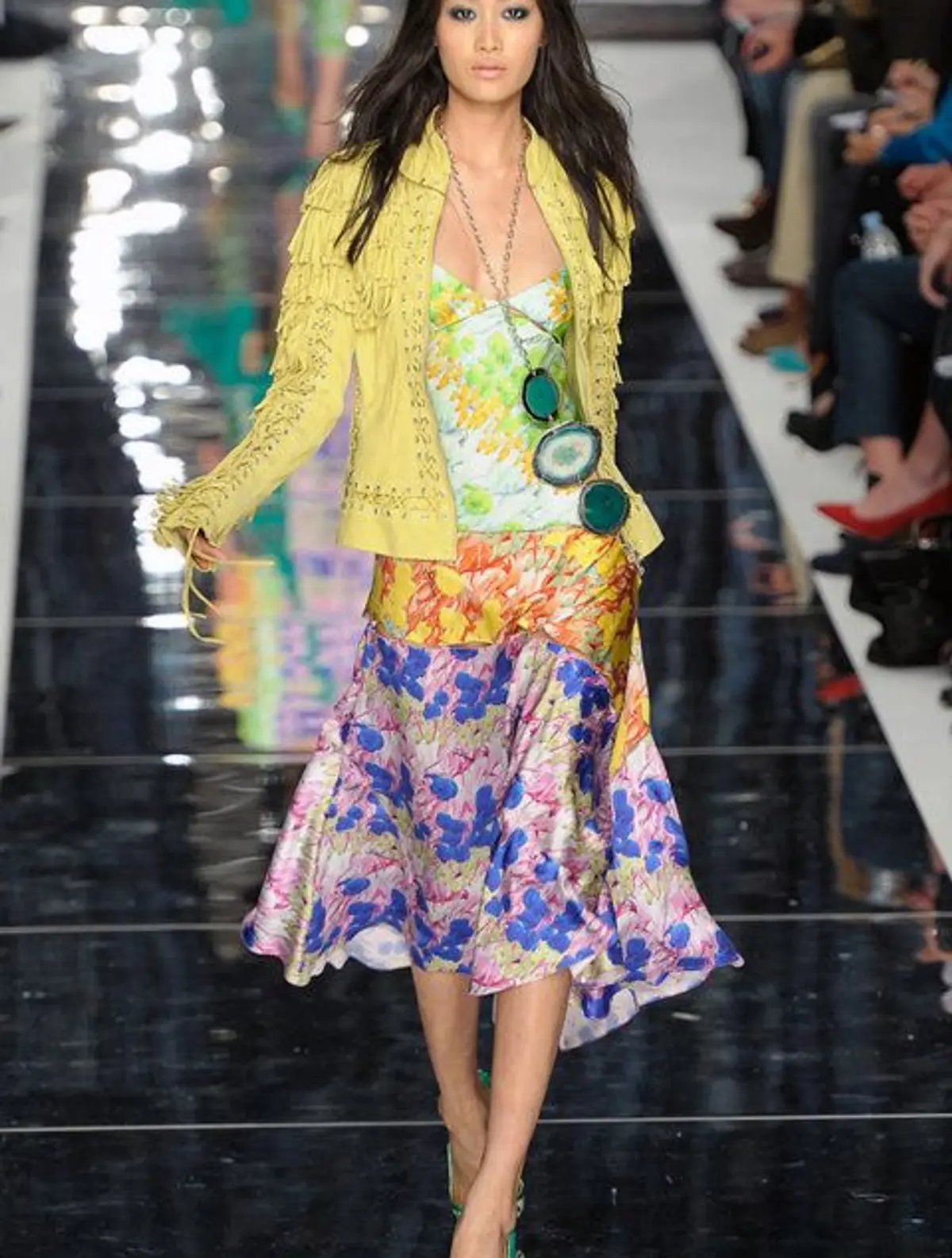
The line developed out of Cavalli's denim business during the late 1990s and became an important part of the brand's expansion. The house's own history traces the evolution of Cavalli Jeans into Just Cavalli during the 2000s, while historical sources commonly place the launch around the late 1990s.
Just Cavalli captured a distinctly youthful version of the designer's aesthetic. Denim, printed jersey, mini dresses, animal motifs, low-rise silhouettes and body-conscious pieces became central to the label, making it particularly relevant to today's renewed interest in Y2K fashion.
This is the Cavalli label to know if you are drawn to the glossy, glamorous side of the late 1990s and early 2000s. Think celebrity dressing, nightlife, low-rise denim, tiny dresses and maximalist prints.
While it occupied a different position from the mainline collection, Just Cavalli should not be dismissed as simply "lesser" Cavalli. In the context of today's vintage market, a well-preserved early-2000s Just Cavalli piece can be incredibly evocative of its era and, in some cases, more visually relevant to the current Y2K revival than a more conventional mainline garment.
Class Roberto Cavalli: The Diffusion Line
Then there is Class Roberto Cavalli, another name that frequently appears when shopping vintage.
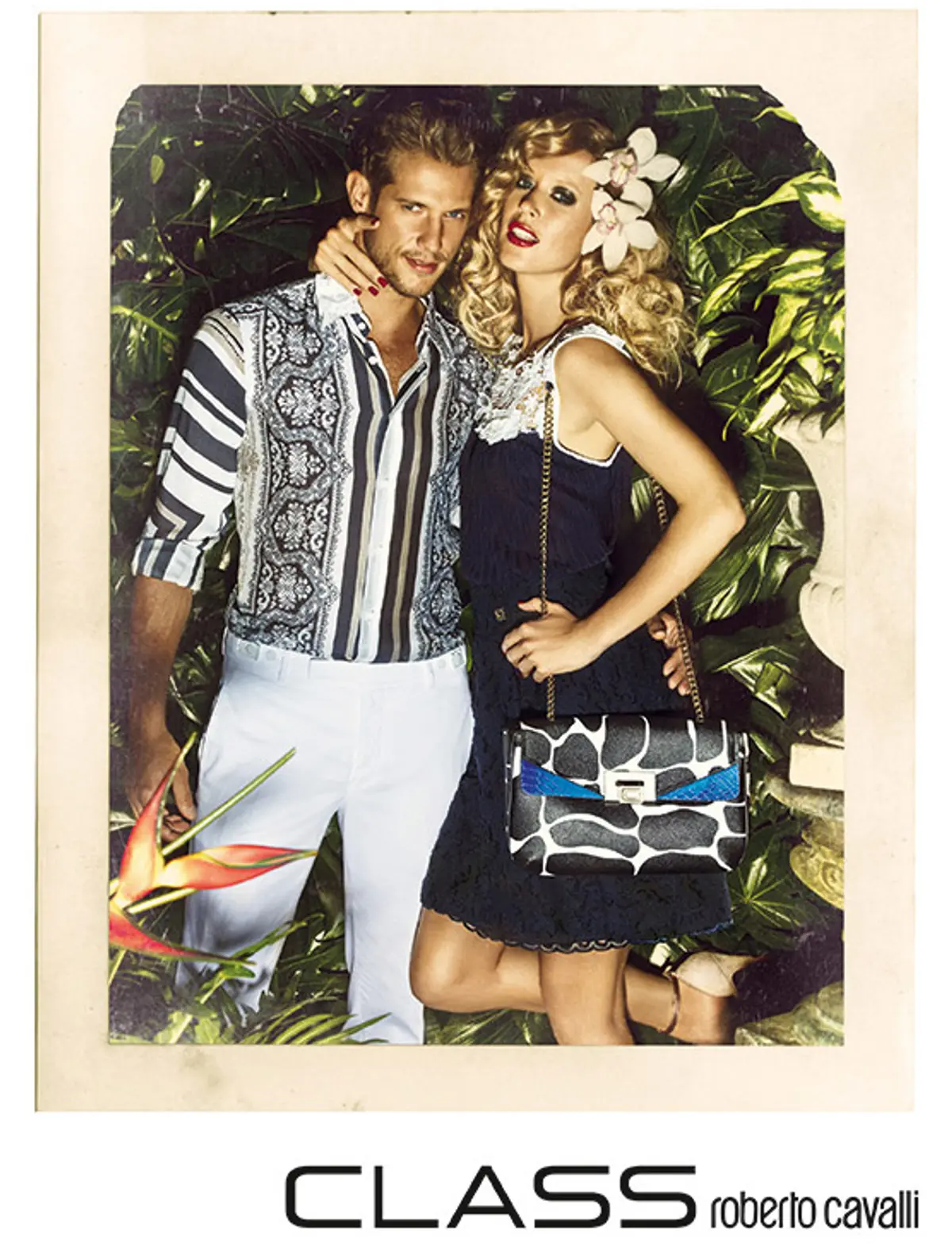
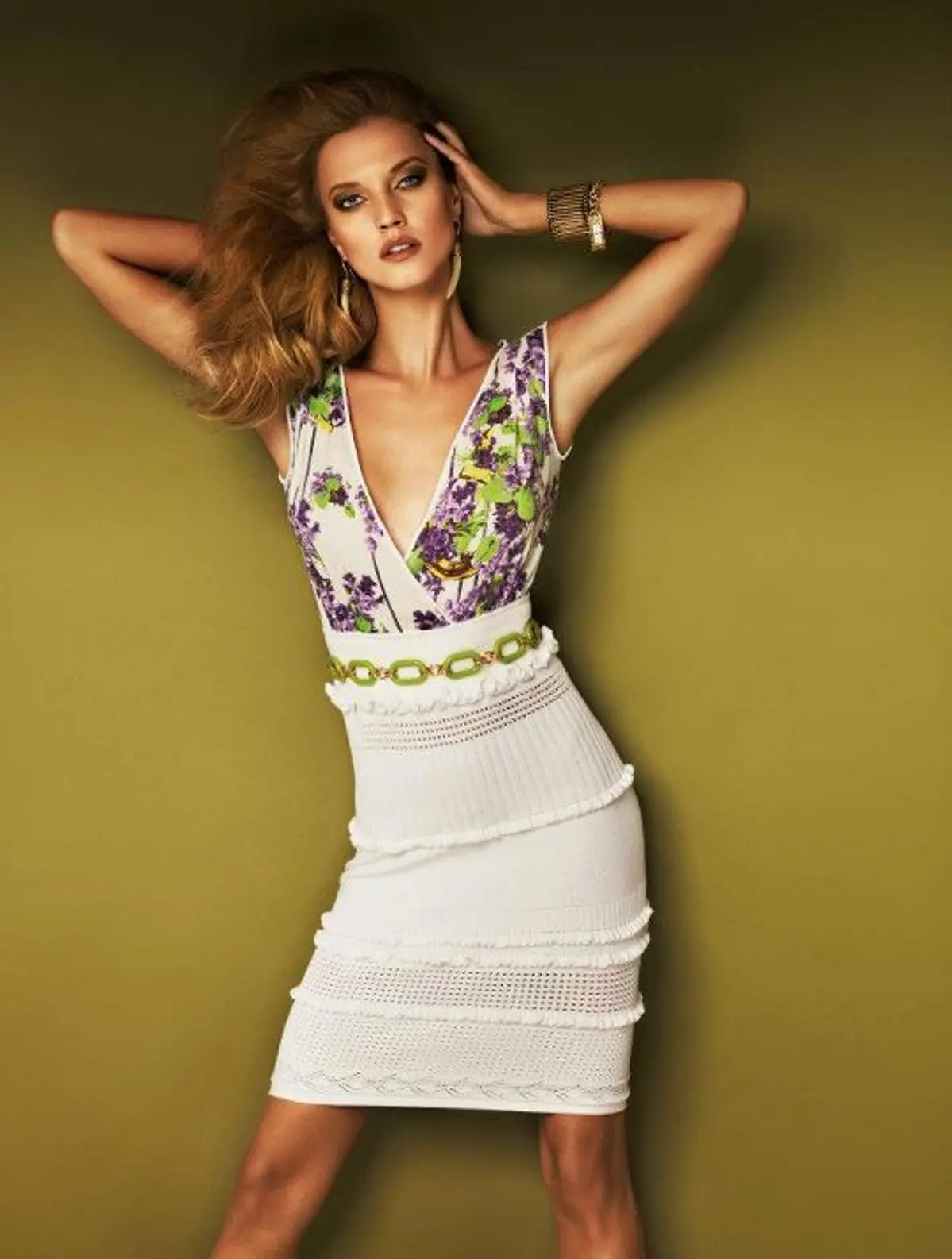
Also known as Cavalli Class in earlier contexts, the line emerged during the expansion of the Cavalli universe in the 1990s. It occupied a more commercial position within the broader brand ecosystem, offering ready-to-wear that was distinct from the principal Roberto Cavalli collection.
The naming can be confusing because the label evolved over time. Vintage garments may therefore appear under names including Cavalli Class and Class Roberto Cavalli, depending on the period in which they were produced.
This is an important distinction when researching vintage Cavalli. A Class Roberto Cavalli garment is still part of the designer's larger fashion history, but it should not automatically be described as a Roberto Cavalli mainline runway piece.
Instead, think of Class as another branch of the Cavalli universe, with its own identity and commercial purpose.
Beyond the Big Three
The Cavalli universe did not stop at Roberto Cavalli, Just Cavalli and Class.
As the company expanded, the Roberto Cavalli name appeared across a number of additional labels and categories. These included RC Menswear, Freedom Roberto Cavalli, Angels & Devils, and eventually Roberto Cavalli Junior, alongside various licensed categories such as eyewear, watches, fragrance, underwear and swimwear.
These labels are particularly interesting when researching vintage because their histories are not always as clearly documented as the main Roberto Cavalli and Just Cavalli collections. Rather than treating every Cavalli-branded garment as part of one continuous collection, it is more useful to identify the exact label, approximate era and category before determining where it sits within the archive.
In other words, the Cavalli label inside a garment is a starting point, not the final answer.
A Brief Cavalli Timeline
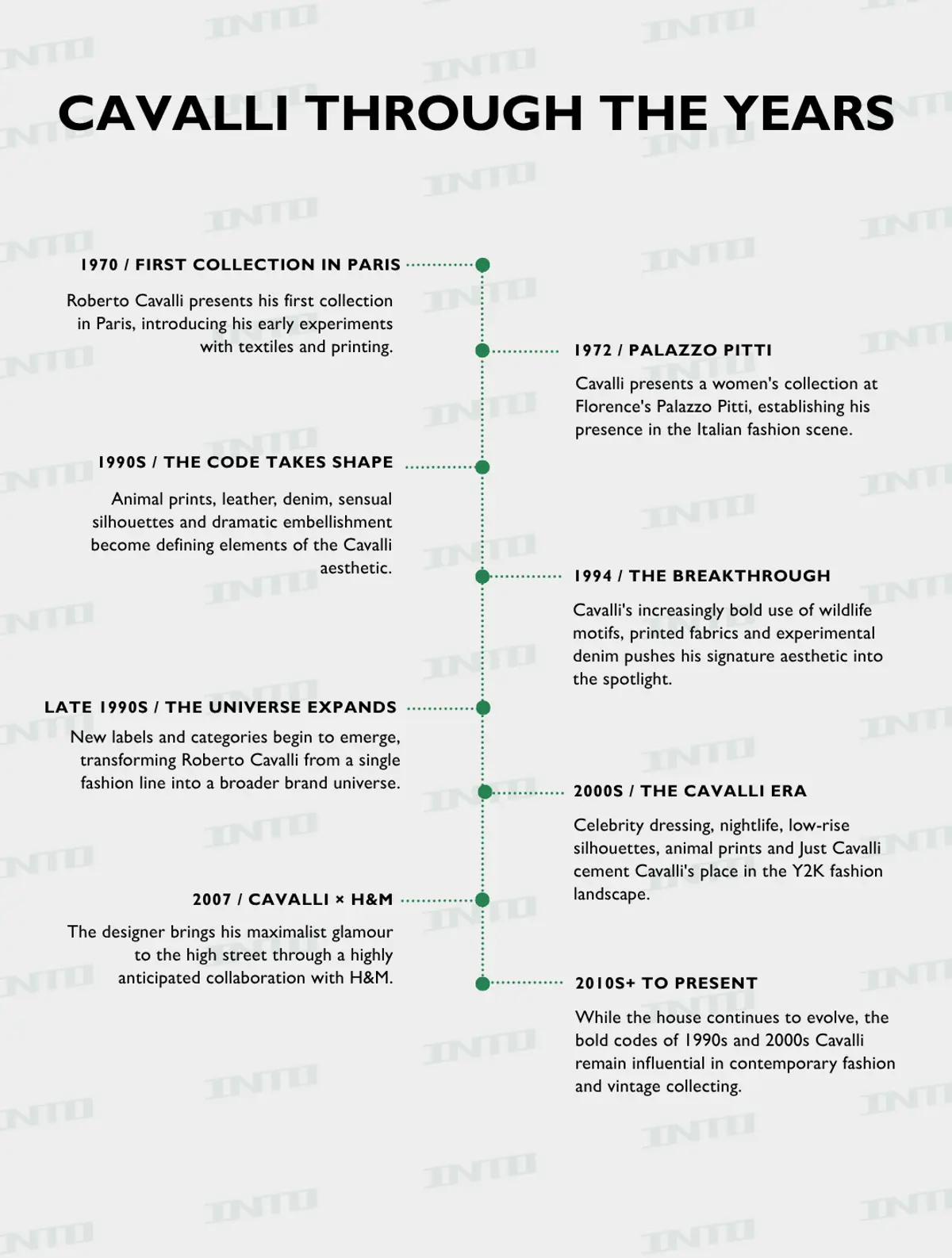
Roberto Cavalli's fashion story begins in the early 1970s, when the designer presented his first collection in Paris and began establishing the textile and printing techniques that would become central to his work. By the 1990s, his signature approach to animal prints, denim and sensual silhouettes had developed into the instantly recognizable Cavalli aesthetic.
The 1990s were also the beginning of the broader Cavalli universe. Additional labels and categories emerged as the company expanded, including Just Cavalli and Class Cavalli. By the late 1990s and early 2000s, the Cavalli name had become closely associated with a particular kind of Italian glamour: highly printed, highly embellished and unapologetically sexy.
The early 2000s became one of the most recognizable periods for the house. Cavalli's designs were increasingly connected to celebrity culture, nightlife and red-carpet dressing, while Just Cavalli captured the younger side of the era's fashion. In 2007, the designer also collaborated with H&M, bringing the Cavalli aesthetic to a much wider audience.
The house continued to evolve through the 2010s and beyond, but the codes established during the 1990s and 2000s remain central to how vintage Cavalli is understood today.
So, Which Cavalli Is Which?
The simplest way to think about the major labels is to see them as different expressions of the same fashion universe. Roberto Cavalli is the mainline collection, closely connected to the house's runway and luxury ready-to-wear history. Just Cavalli represents the younger, more casual and often more overtly Y2K side of the brand, while Class Roberto Cavalli belongs to the broader diffusion and commercial side of the business.
That does not mean one label is automatically more interesting than another. A piece's importance can come from its era, design, rarity, cultural relevance or provenance.
A 2001 Roberto Cavalli runway dress and a 2001 Just Cavalli denim piece tell completely different stories, but both can be valuable records of the fashion moment in which they were created.
What Makes Vintage Cavalli Worth Collecting?
One of the most interesting things about collecting Cavalli is how clearly the clothes capture their time. The designer's work is closely tied to the visual language of the 1990s and 2000s, from animal prints and low-rise denim to sheer fabrics, metallic finishes, dramatic eveningwear and body-conscious silhouettes.
Many of those same codes have returned to contemporary fashion, making vintage Cavalli particularly relevant to the current resurgence of Y2K and late-1990s style.
But Cavalli's relevance goes beyond nostalgia. His approach to materials and textile experimentation helped push traditionally casual fabrics such as denim into a more glamorous context. His prints and use of leather became instantly recognizable, while his willingness to embrace excess offered an alternative to the minimalism that dominated other parts of fashion during the same period.
The result is an archive that feels remarkably easy to recognize, even decades later.
The Cavalli Archive, Decoded
Ultimately, identifying vintage Cavalli is about more than reading the label.
Look at the label, but then look again at the garment itself. Consider when it was made, what materials were used, how it was constructed, which Cavalli codes it reflects and whether it can be connected to a particular collection or moment in the designer's career.
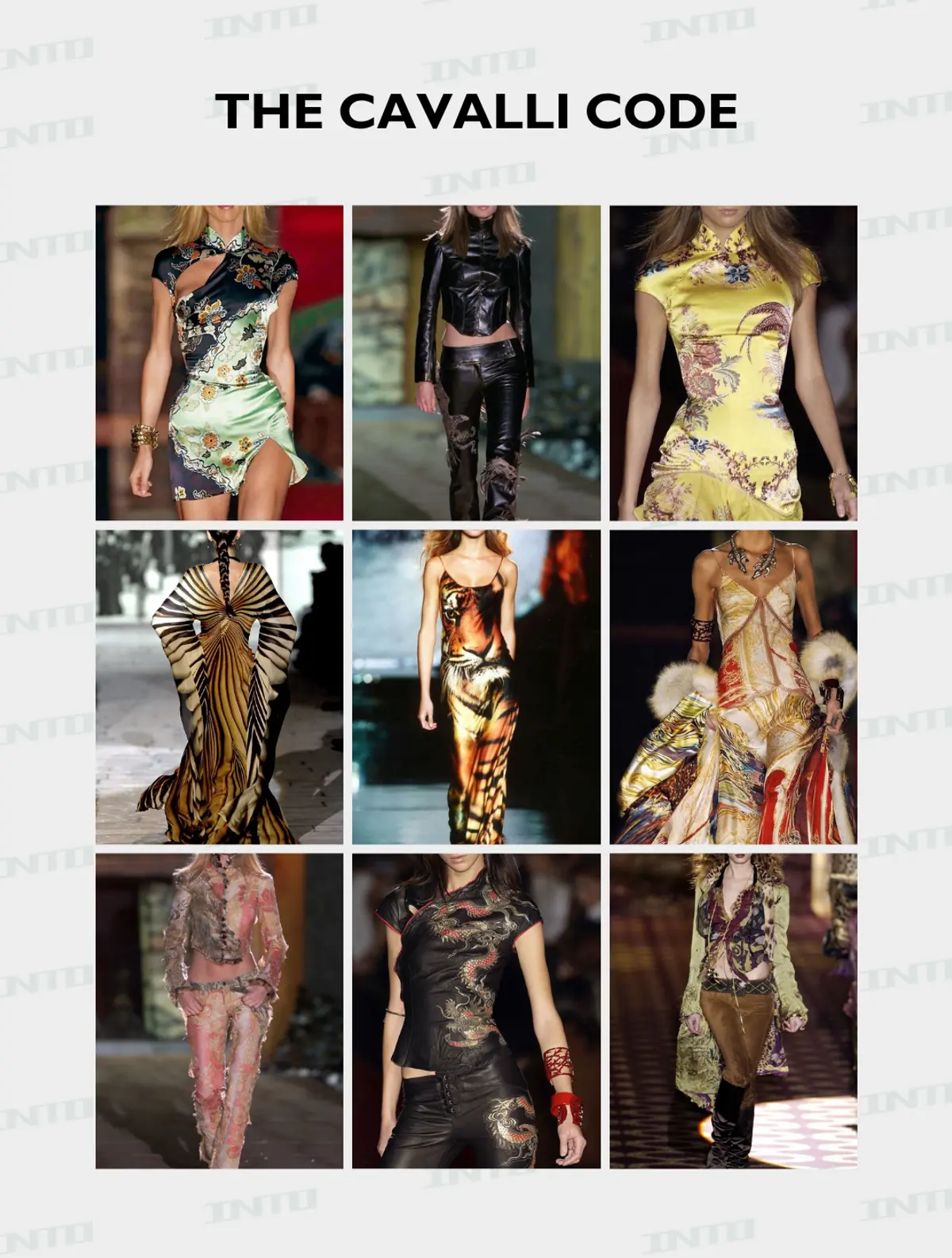
That is what makes archival fashion so compelling. The most interesting pieces are not necessarily the ones with the most famous labels. They are the ones that capture something about the time, the designer and the culture that surrounded them.
From the drama of Roberto Cavalli to the Y2K energy of Just Cavalli and the commercial world of Class Roberto Cavalli, each label offers another way into the Cavalli archive.
And once you know what to look for, that little label inside a vintage garment becomes more than a name.
It becomes a clue.
→ Explore our vintage Roberto Cavalli collection
→ Discover more archival fashion
→ Book a private showroom appointment
Into Archive is a global destination for rare and archival fashion, bringing together collectible pieces from leading designers, independent collectors, and international vendors. Visit our New York showroom by appointment to explore the archive in person.


SZA GOES TEAL WITH IT
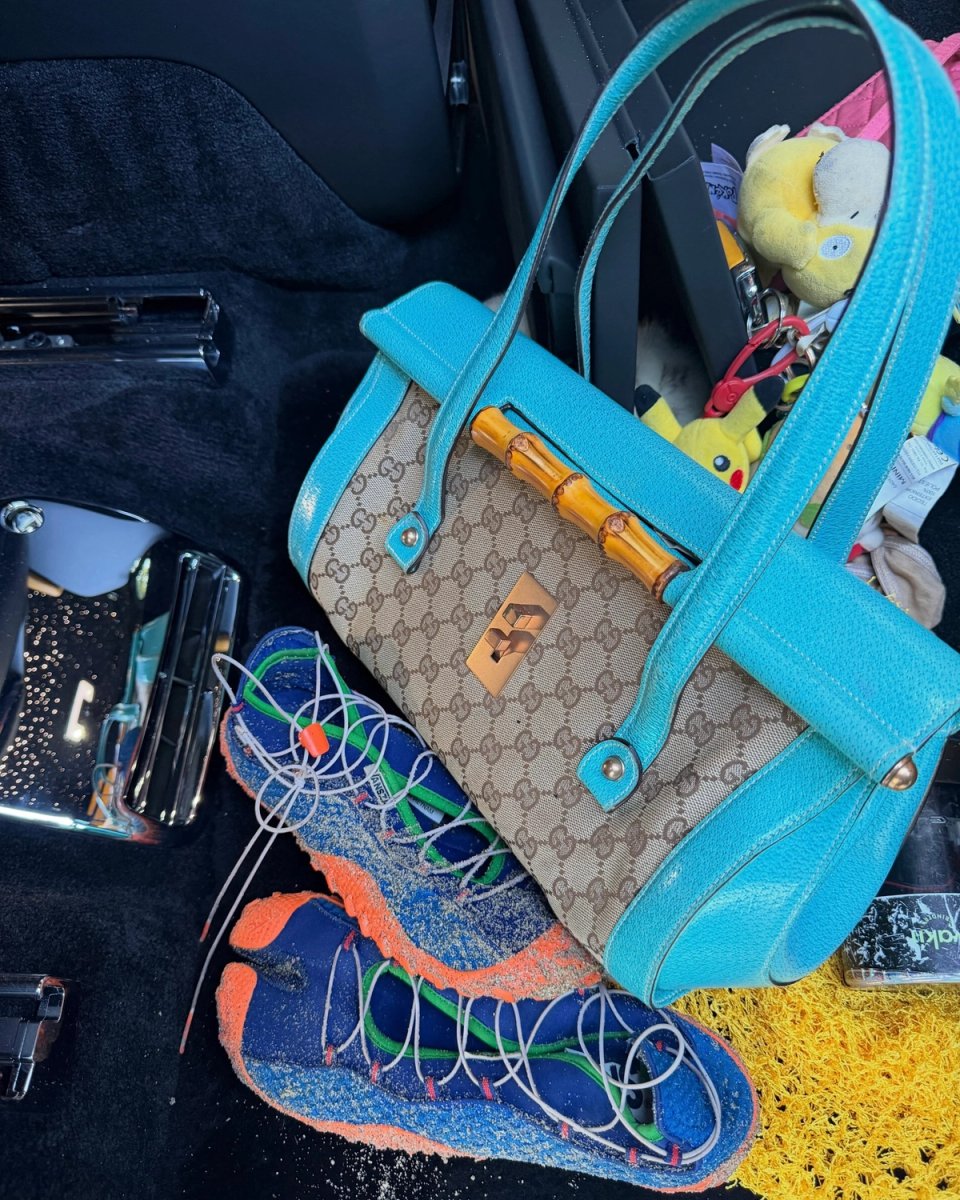
SZA just gave our 2000s Gucci handbag a starring moment on Instagram, and we’re very into it.


SZA has a way of making the unexpected feel completely natural. In her latest Instagram post, she brought a little color and a lot of nostalgia with our Gucci 2000s Teal Rounded Bamboo Handbag.
And yes, SZA bought it from Into Archive. We also had the pleasure of working with her stylist to pull the piece, making this one of those archival fashion moments we love seeing come full circle.

A LITTLE TEAL NEVER HURT
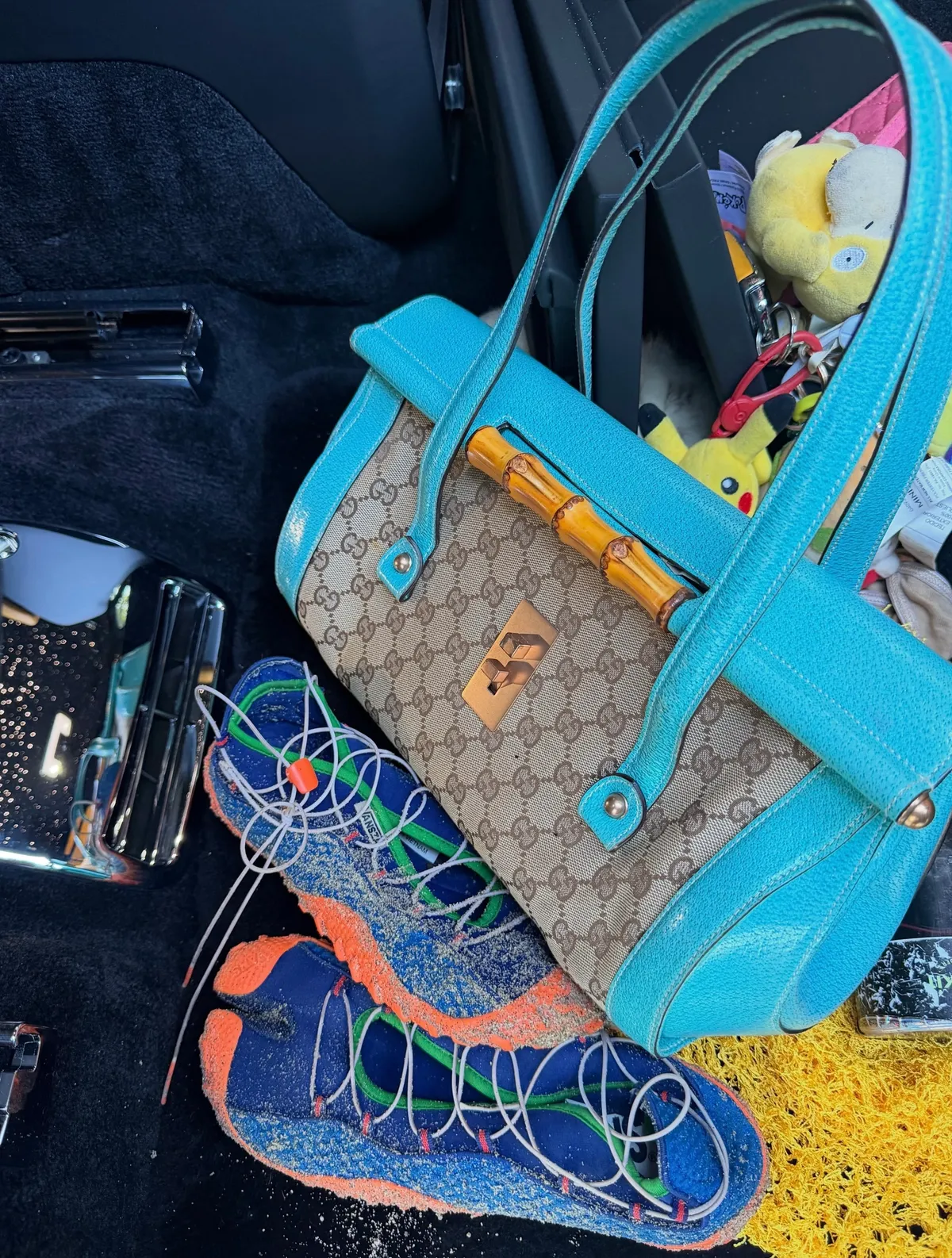
Teal sits somewhere between blue and green, which is probably why it has always had a certain fashion-world appeal. It is bold without being predictable, playful without going full neon, and surprisingly easy to work into a look.
On SZA, the color becomes the statement.
The rounded silhouette gives the bag its unmistakable early-2000s character, while the bamboo detailing adds one of Gucci’s most recognizable signatures. It is the kind of accessory that does not need much explaining. You see it, you remember it, and suddenly you want one.
THE GUCCI BAMBOO LEGACY
Bamboo has been part of Gucci’s handbag vocabulary for decades. The house first introduced bamboo handles in the postwar era, turning a material born out of necessity into one of its most recognizable design signatures.
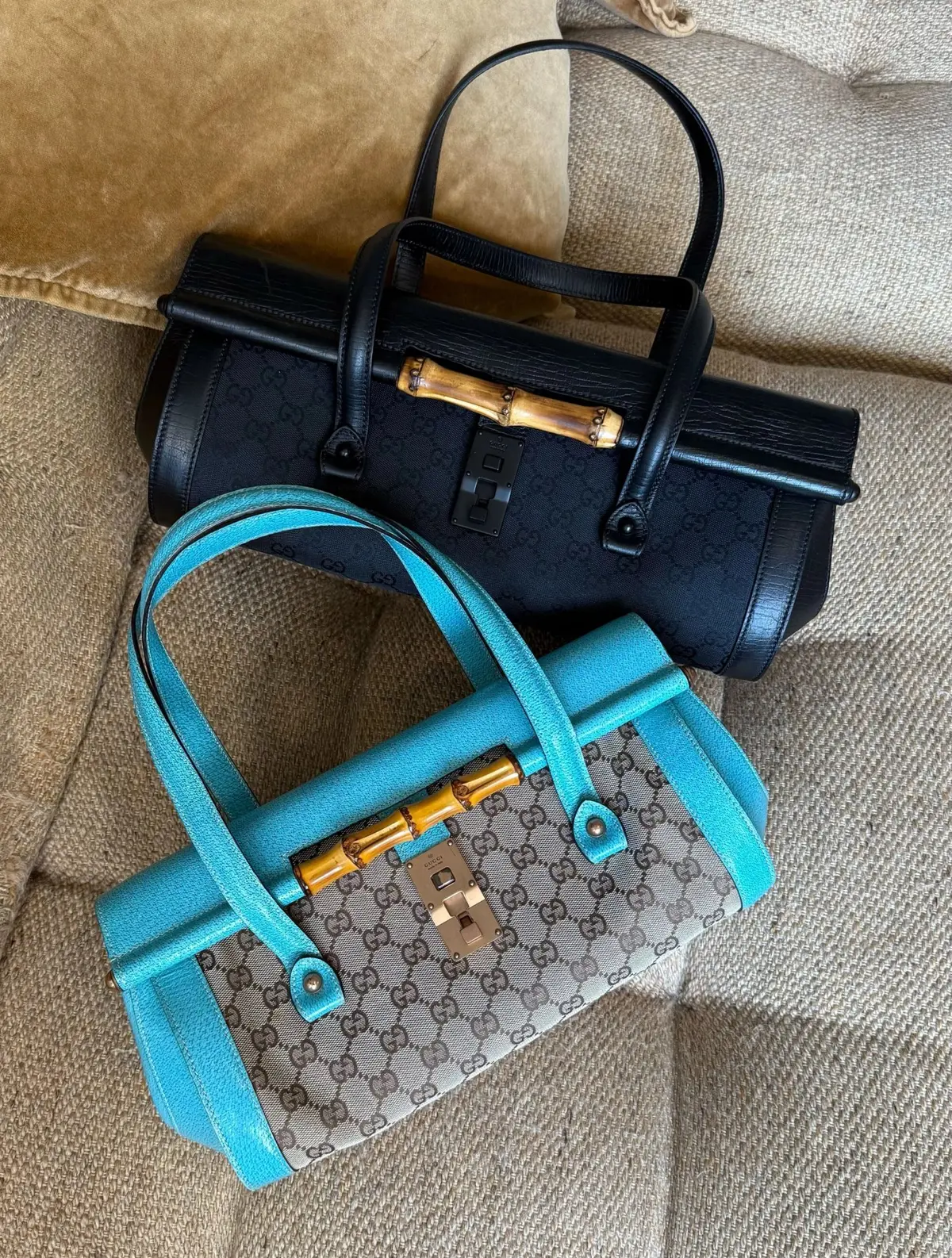
By the 2000s, Gucci was playing with that heritage in a more colorful, experimental way. Silhouettes became playful, colors got louder, and classic house codes were reworked for a new generation.
Our teal bag is a perfect example. The bamboo handle feels instantly Gucci, while the saturated color and rounded shape give it that unmistakable 2000s energy.
WHY 2000s GUCCI STILL HITS
There is something especially good about seeing archival Gucci styled without trying to recreate the entire era around it.
The best vintage pieces do not need to look “vintage.” They just need to have enough personality to hold their own.
That is exactly what makes SZA’s styling moment work. The bag has all the charm of 2000s Gucci, but in her hands, it feels completely current.
It is nostalgic without being costume-y. Statement-making without screaming for attention. And, most importantly, it feels like SZA.
FROM OUR SHOWROOM TO SZA’S CLOSET
For us, this is the fun part.
At Into Archive, we love seeing the pieces that pass through our showroom find new lives with people who bring their own perspective to them. Working with SZA’s stylist to pull this Gucci handbag and then seeing SZA make it her own is exactly why archival fashion is so exciting.
A piece from the 2000s gets pulled from the archive, styled for today, posted to millions, and suddenly a teal Gucci bag has a whole new life.
We’ll take that.
→ Book a private showroom appointment
Into Archive is a global destination for rare and archival fashion, bringing together collectible pieces from leading designers, independent collectors, and international vendors. Visit our New York showroom by appointment to explore the archive in person.
GOD SAVE THE SHOE
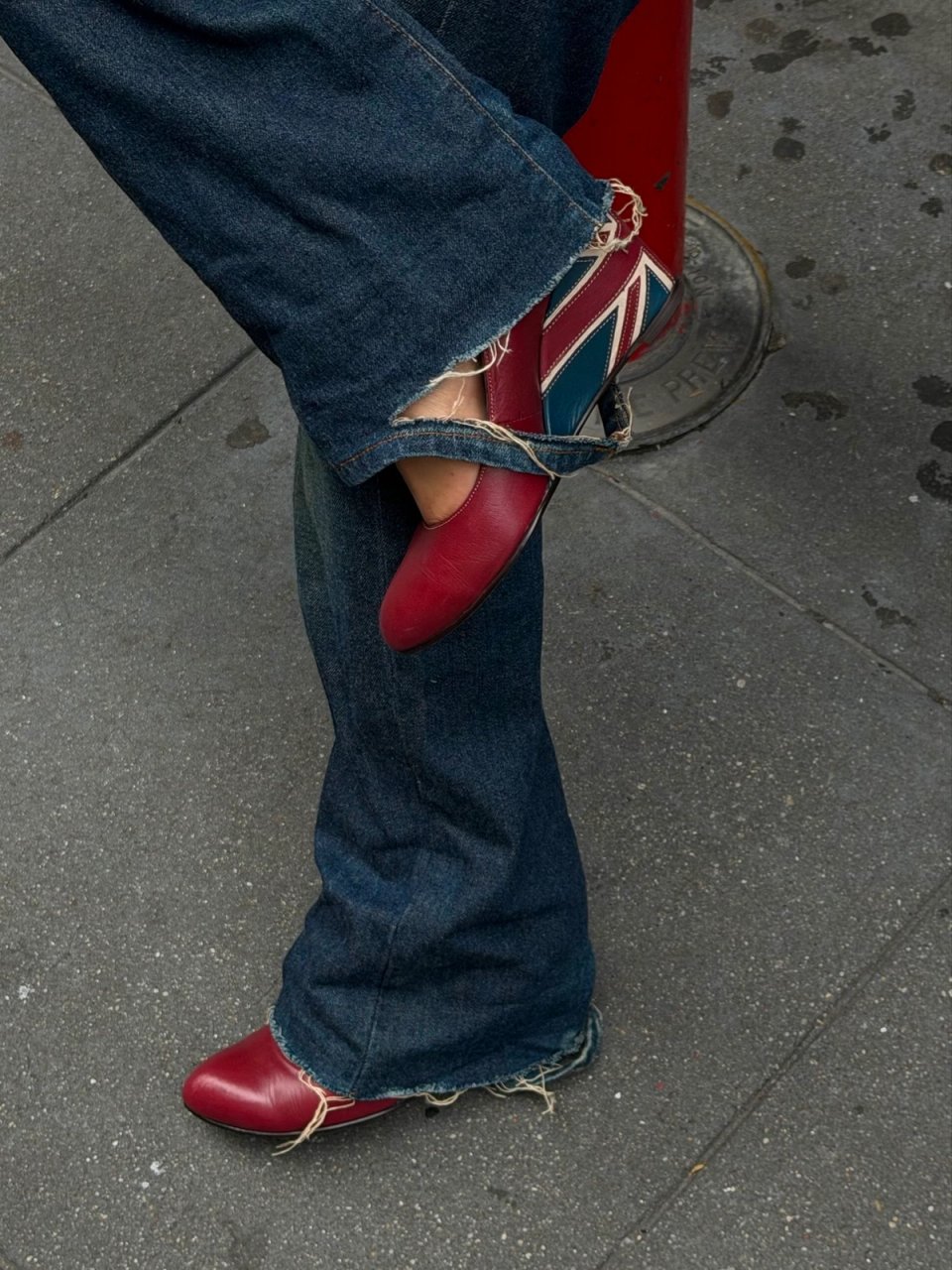
GOD SAVE THE SHOE
GOD SAVE THE SHOE
Katharine Hamnett’s Union Jack wedges prove that Britain’s most recognizable symbol was never just a flag.
A good fashion symbol does more than tell you where something comes from. It carries an attitude. It can be political, rebellious, nostalgic, glamorous, or deliberately loud. Few symbols have managed all of that quite as effortlessly as the Union Jack.
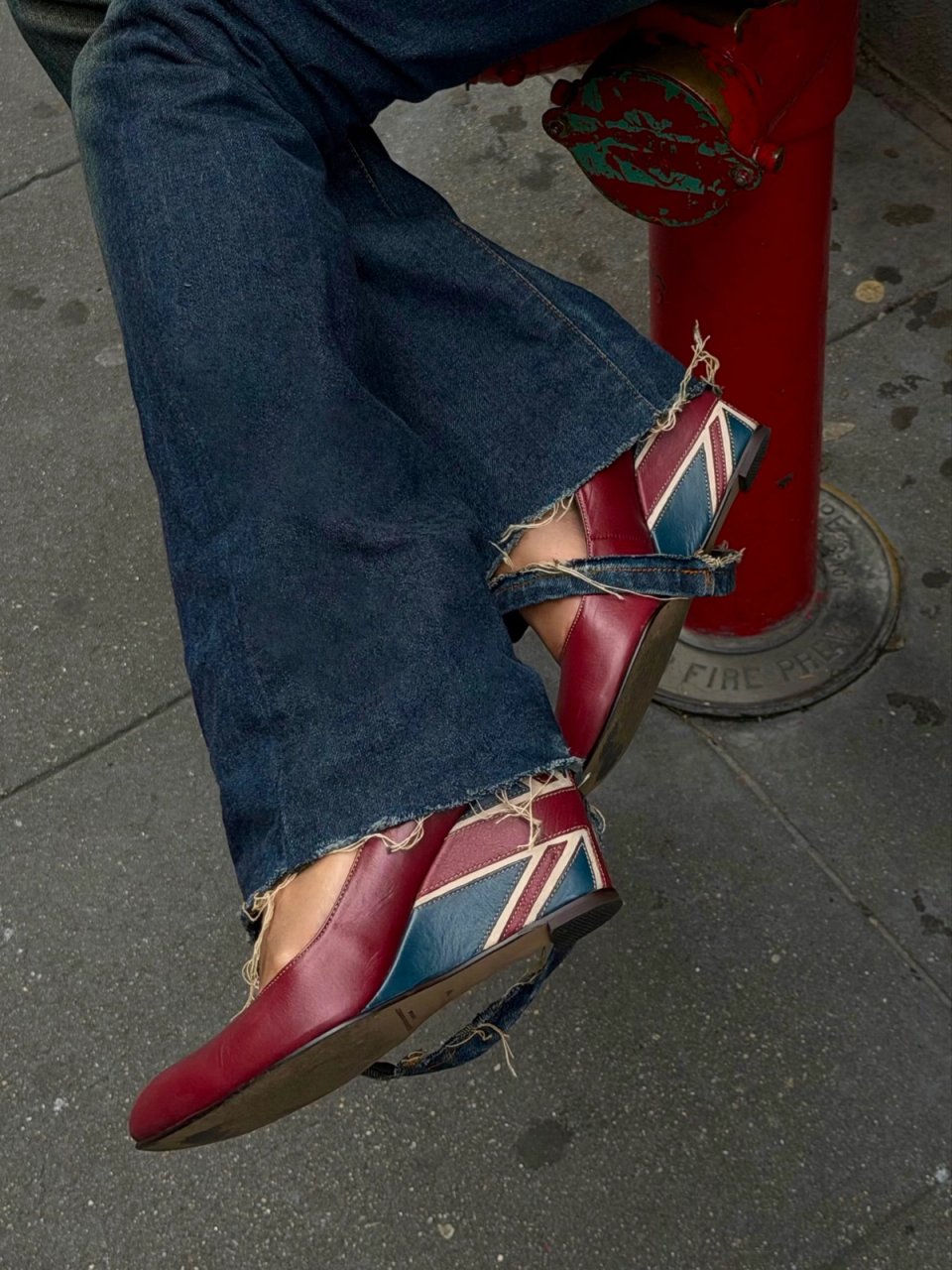
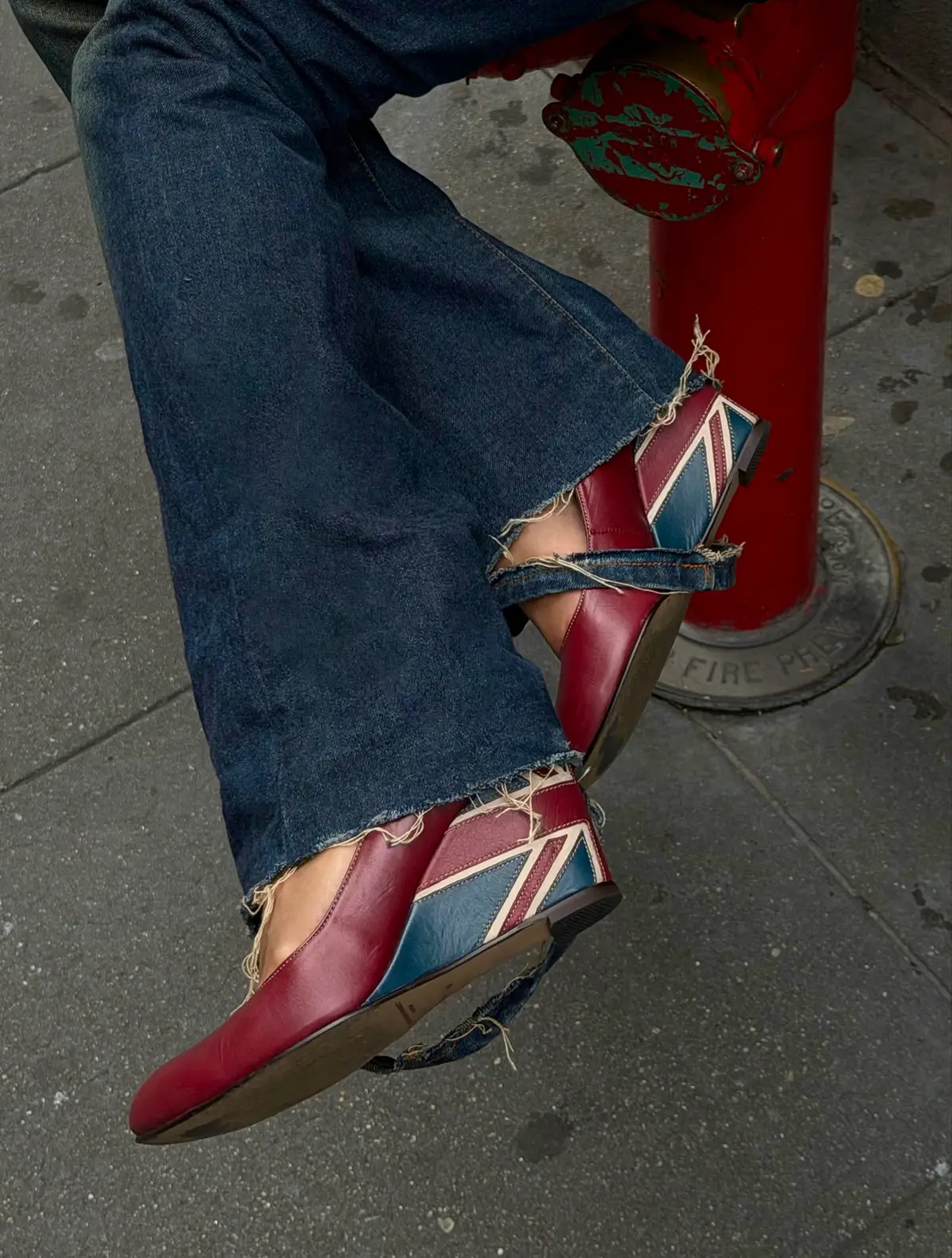
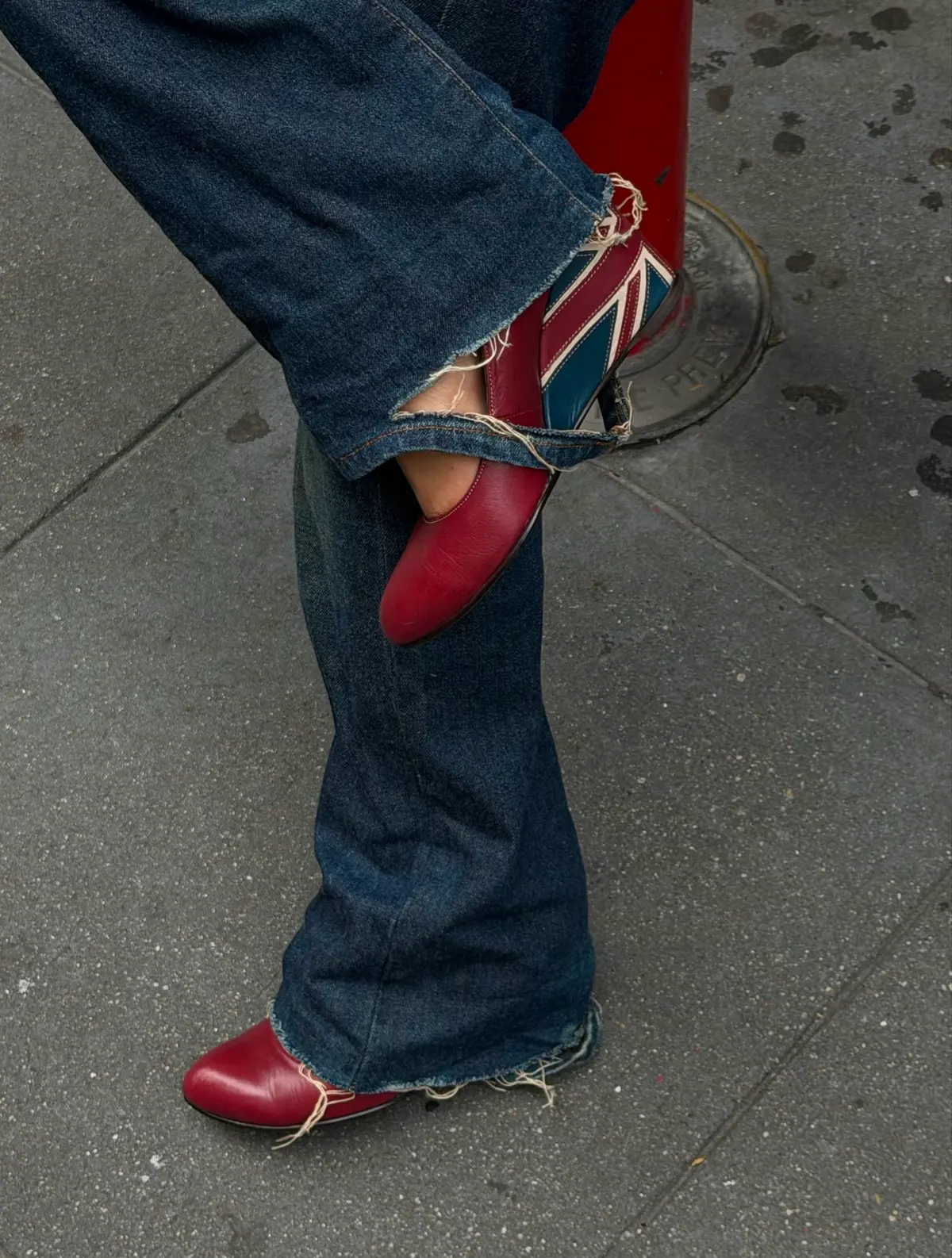
Now back in the Into Archive showroom, Katharine Hamnett’s 2000s red leather wedge pumps put the British flag front and center. Covered in a bold Union Jack motif and finished with a sculptural wedge silhouette, the shoes are unmistakably Hamnett: graphic, confrontational, and impossible to ignore.
But the story behind the shoes goes much deeper than a great pair of vintage heels.
THE FLAG BECOMES THE LOOK
The Union Jack has long existed somewhere between national emblem and pop-cultural shorthand. In fashion, that distinction became especially interesting in the second half of the 20th century, when British designers began turning familiar national symbols into visual statements.
Katharine Hamnett was one of the designers who understood the power of a graphic message. Since establishing her label in 1979, Hamnett became known for using clothing as a vehicle for political and social commentary, particularly through her oversized slogan T-shirts. Her designs made the message impossible to miss: fashion could be wearable, but it could also say something.
The Union Jack fits naturally into that language. It is instantly recognizable, highly graphic, and loaded with associations. Put it on a T-shirt, jacket, bag, or shoe and it stops functioning purely as a national symbol. It becomes an image.
That transformation is exactly what makes these wedges so interesting.
FROM PUNK TO POP
The Union Jack’s fashion history is inseparable from Britain’s musical and youth cultures.
During the 1970s and ’80s, the flag became closely associated with the visual language of British punk, New Wave, and the broader rebellious energy surrounding London. Designers and artists were interested in taking symbols of British identity and making them feel disruptive rather than traditional.
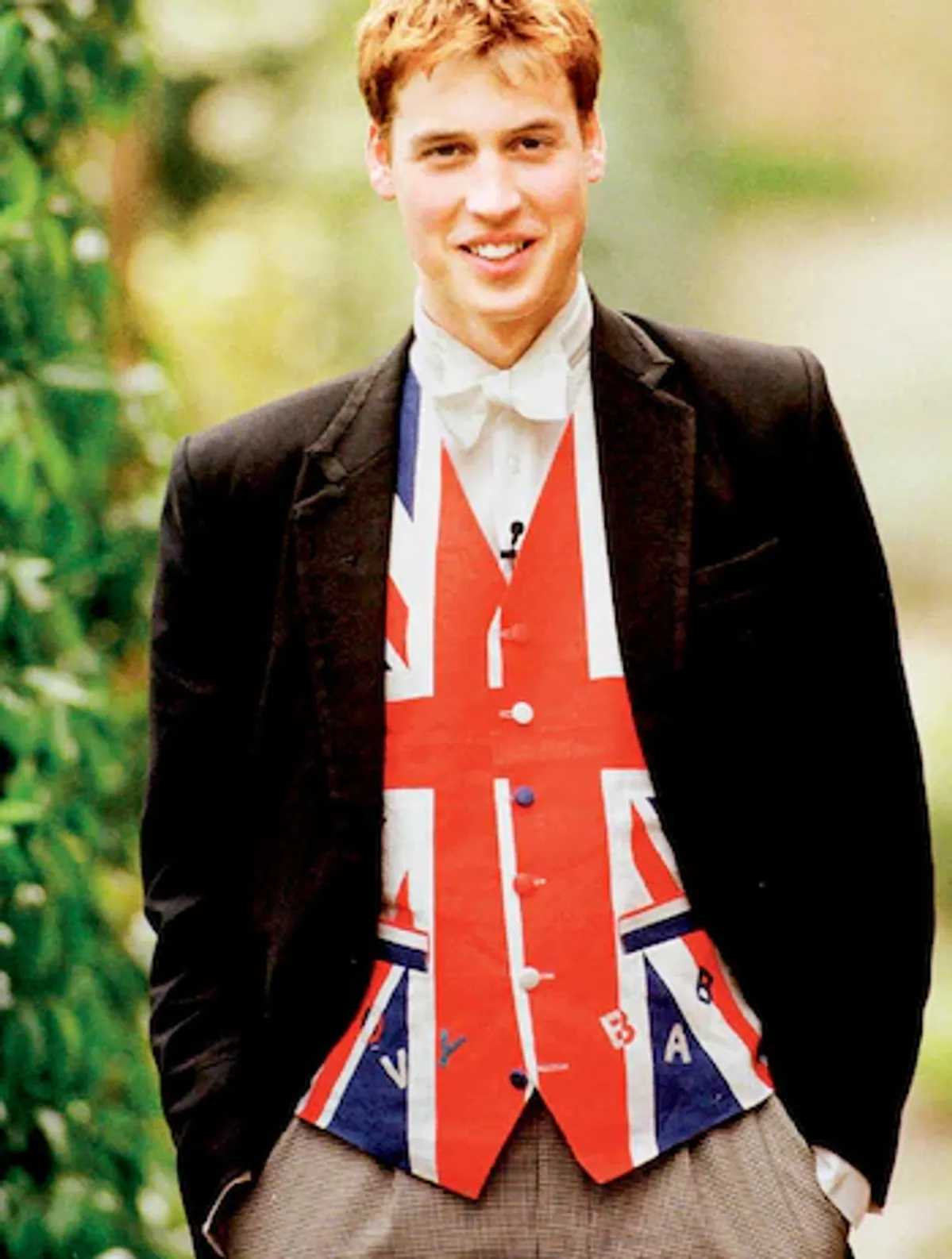
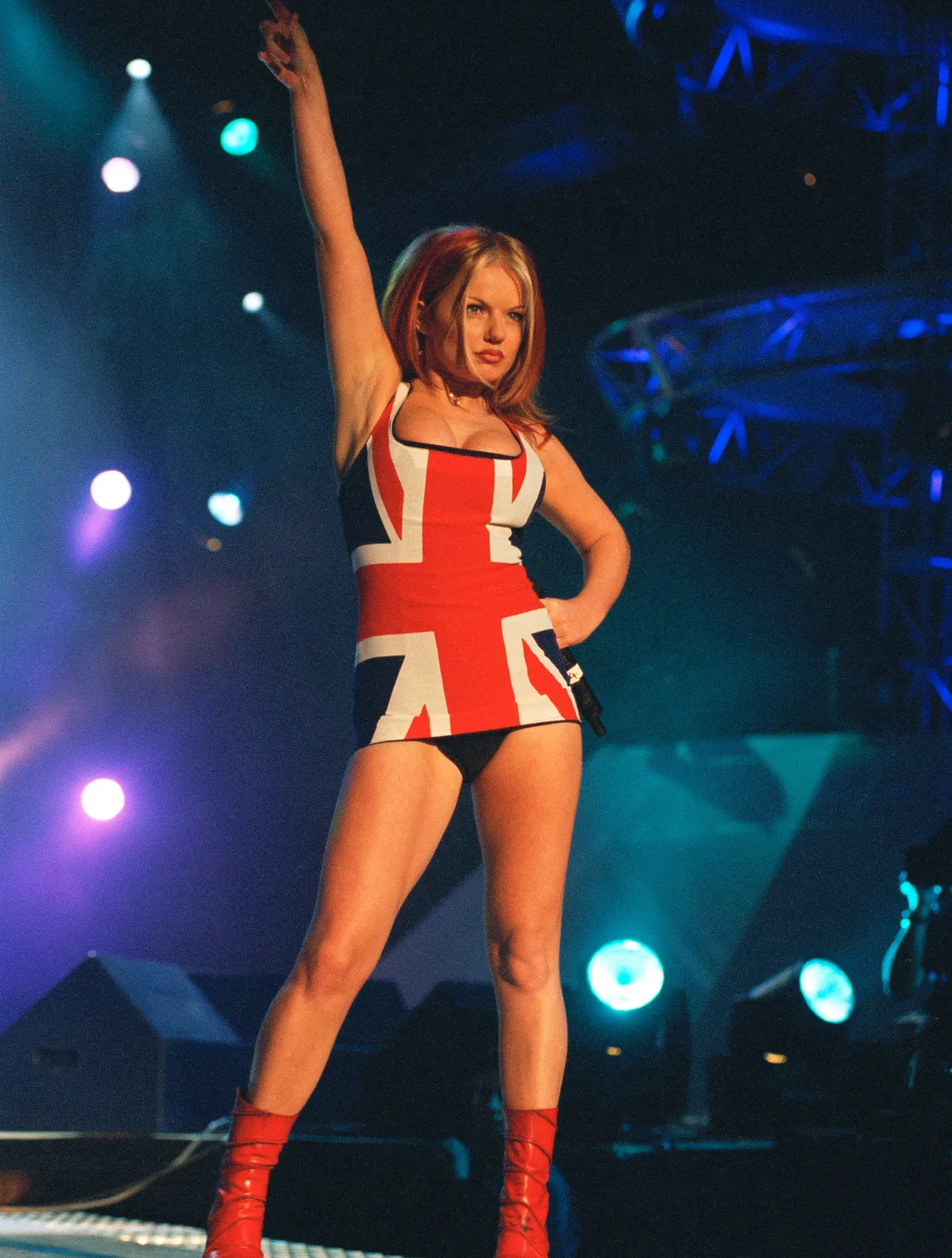
By the 1990s and early 2000s, the Union Jack had entered an entirely different cultural space. It could signal punk, pop, nostalgia, celebrity, or simply an exaggerated idea of British cool.
Fashion embraced the contradiction.
The flag could be patriotic without being conservative, nostalgic without being traditional, and kitschy without losing its edge.
That versatility is part of the reason it keeps returning.
KATHARINE HAMNETT’S TAKE
Hamnett’s Union Jack pieces sit comfortably within this history because her work has always been interested in the tension between fashion and messaging.
Rather than treating the flag as a quiet detail, these pumps make it the entire point. Red leather provides the base, while the Union Jack stretches across the shoe in a graphic, almost poster-like composition. The wedge adds another layer of drama, turning what could have been a simple printed motif into a distinctly early-2000s fashion object.
There is something particularly fun about seeing the Union Jack on a shoe. A flag traditionally belongs somewhere stationary: on a building, a pole, a uniform, a passport. Fashion takes it somewhere else.
You walk in it.
WHY THE UNION JACK KEEPS COMING BACK
Fashion has a habit of recycling symbols, but some motifs have more cultural mileage than others.
The Union Jack is one of them because it can be endlessly reinterpreted. Its bold geometry works naturally in graphic design, while its cultural associations give designers plenty to play with. It has appeared across clothing, accessories, album artwork, advertising, interiors, and street style, moving between subcultures and mainstream fashion along the way.
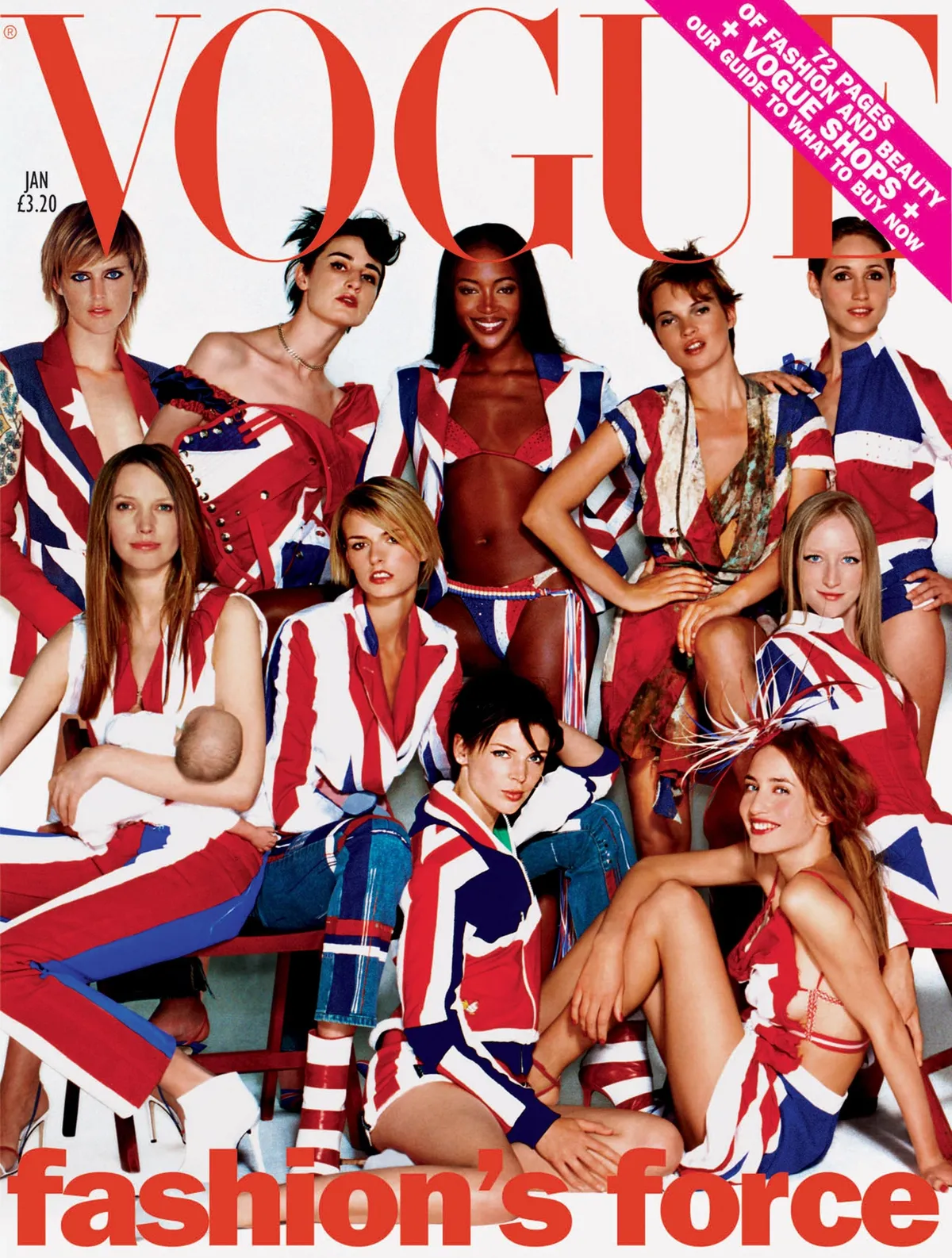
It also has a particularly complicated relationship with nostalgia.
For some, the Union Jack immediately recalls Swinging London, British rock, punk, or the cultural optimism of the late 20th century. For others, it represents a more theatrical version of Britishness: red telephone boxes, music, royal imagery, and London itself.
Fashion can take all of those references and compress them into one object.
That is what makes a piece like Hamnett’s wedges feel surprisingly contemporary decades later. The reference is familiar, but the styling possibilities are constantly changing.
THE EARLY-2000s ATTITUDE
There is also something unmistakably 2000s about the shoes themselves.
The era loved a statement. Logos were bigger, silhouettes were more exaggerated, and accessories often carried as much visual weight as the clothes they were paired with. A pair of Union Jack wedges fits perfectly into that maximalist approach to dressing.
Today, that same quality reads differently.
As fashion continues to revisit the late ’90s and early 2000s, pieces that once felt excessively bold can suddenly look exactly right. The Union Jack is no longer simply a reference to Britishness; it becomes part of the larger language of archival fashion, where context, rarity, and cultural history make an object more interesting.
And these are definitely not quiet shoes.
FROM NATIONAL SYMBOL TO ARCHIVAL ICON
What makes the Katharine Hamnett wedges worth revisiting isn't simply that they feature the Union Jack. It is the fact that they capture several different moments in fashion at once: British punk's visual language, Hamnett's history of political design, the maximalism of the 2000s, and today's fascination with archival pieces.
The flag has changed meaning depending on who is wearing it, where it appears, and how it is styled.
That is the magic of fashion symbols. They rarely stay still.
A flag can become a print. A print can become a statement. And eventually, a statement can become an archival piece worth hunting down decades later.
So, yes: God save the shoe.
→ Rent the Katharine Hamnett 2000s Red Leather Union Jack Motif Wedge Pumps
→ Book a private showroom appointment
Into Archive is a global destination for rare and archival fashion, bringing together collectible pieces from leading designers, independent collectors, and international vendors. Visit our New York showroom by appointment to explore the archive in person.
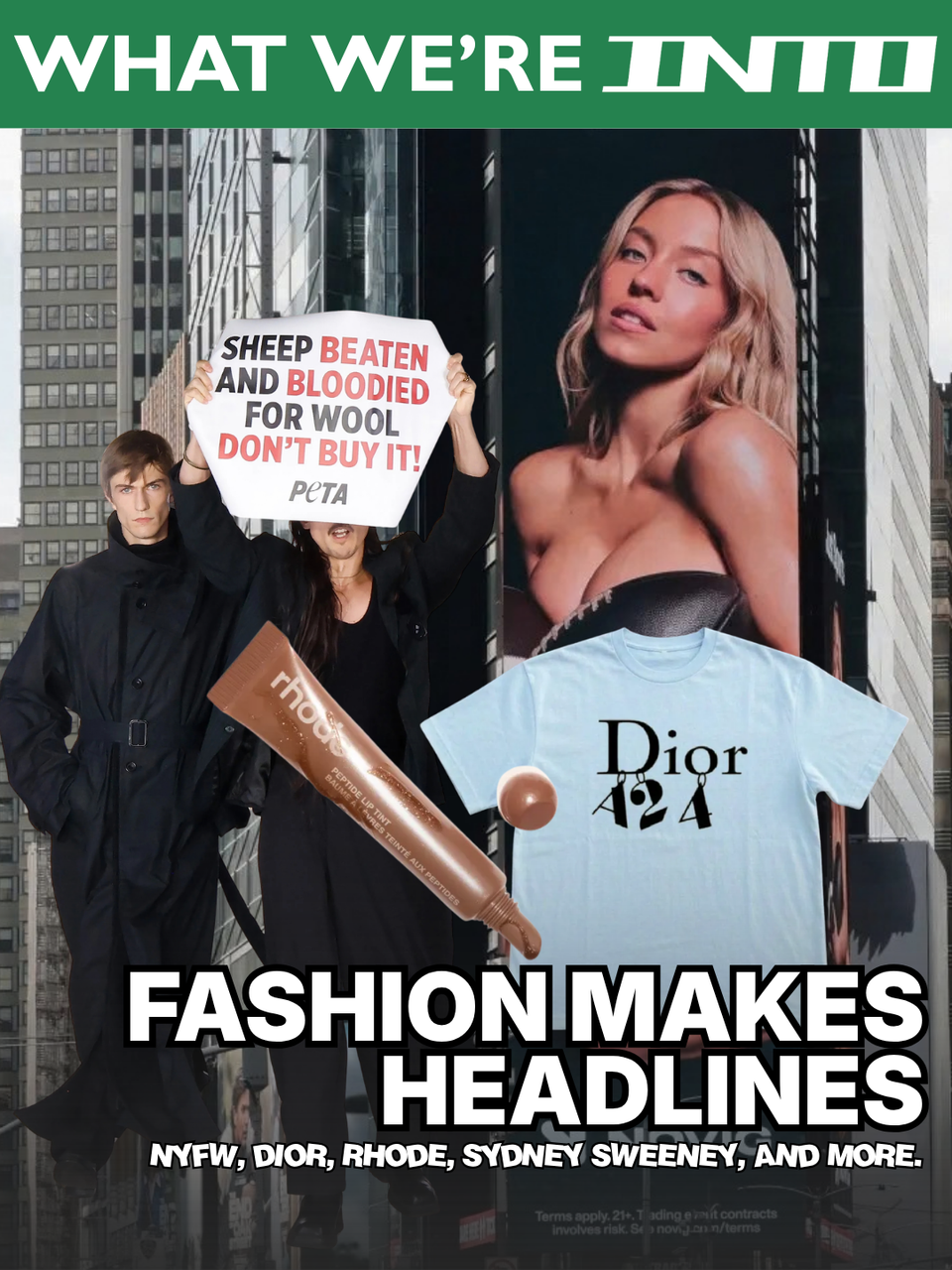
What We’re Into: The New New York
What We’re Into: The New New York
Pencil skirts are back, Dior is getting cinematic, beauty is becoming an accessory, and the fashion business is watching its own attention economy very closely.
New York Fashion Week has wrapped, but the bigger story is still unfolding. Across the runway, Tagwalk’s latest data points to a return to sharper, more traditionally polished silhouettes, with pencil skirts up 335%, capri pants up 113%, ruffles up 96%, transparent fabrics up 62%, and animal print up 10%.
At the same time, fashion’s cultural footprint is moving further outside the traditional runway. Dior has partnered with A24 for a two-year creative program spanning film, theatre, and live events. Rhode is turning beauty products into collectible accessories with Alexandra Leclerc. And some of the week's biggest marketing conversations have happened far away from a fashion show.
From runway statistics to viral advertising and luxury's growing relationship with entertainment, here's what we're into this week.
THE PENCIL SKIRT RETURNS
If NYFW's numbers are anything to go by, the next fashion cycle is looking considerably more polished.
Tagwalk's runway data shows a significant spike in several distinctly early-2000s and ladylike silhouettes, led by pencil skirts, which rose 335% across the New York shows. Capri pants followed at 113%, while ruffles increased 96%. Transparent fabrics climbed 62%, with animal print also seeing a smaller 10% rise.
The interesting part isn't any one trend. It's the combination.
The pencil skirt and capri suggest a return to a more precise, body-conscious silhouette, while transparency, ruffles, and animal print keep the wardrobe from becoming too proper. It's less about minimalism and more about tension: polished versus provocative, officewear versus nightlife, restraint versus excess.
For archival fashion, that shift is particularly interesting. The silhouettes currently returning to the runway are exactly the kind of pieces that become more culturally legible with age. A 1990s pencil skirt, a 2000s capri, or a sheer designer blouse can read completely differently depending on what the fashion cycle is doing around it.
The archive doesn't really disappear. It just waits for the silhouette to come back.
DIOR GOES TO THE MOVIES
Fashion and film have always been intertwined, but Dior and A24 are making that relationship considerably more formal.
The two companies announced a two-year creative partnership spanning film, theatre, and live events, with Dior becoming the premier partner of New York's historic Cherry Lane Theatre, which is owned by A24.
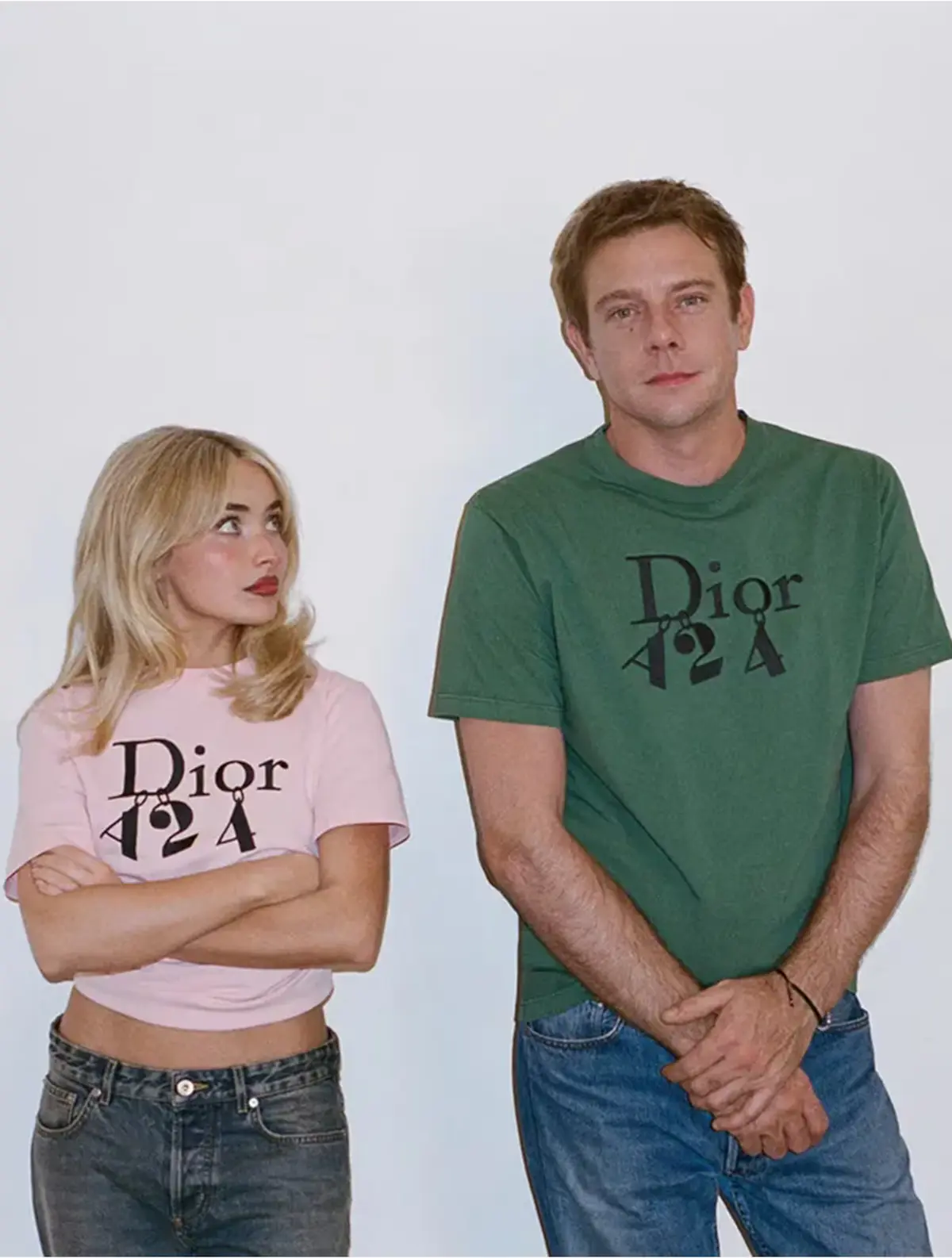
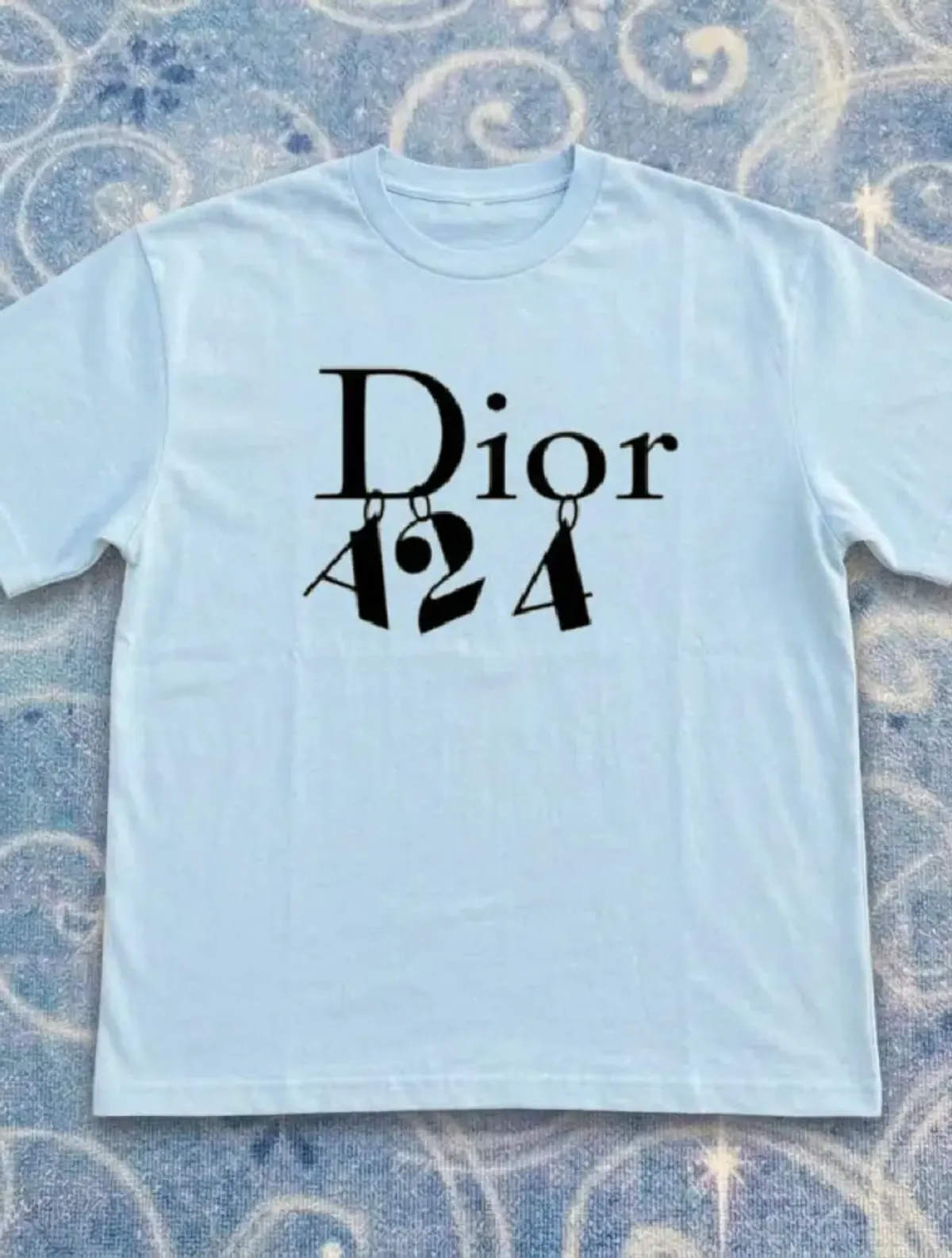
The partnership launched during NYFW with Both Ends, a performance starring cabaret artist Justin Vivian Bond and directed by Zack Winokur. Jonathan Anderson designed the costumes, including an archival Paul Poiret piece that connected the performance directly to his recent Dior work.
The accompanying campaign took the collaboration even further. Sabrina Carpenter, Camille Cottin, Josh O’Connor, Drew Starkey, and Sophie Wilde each appeared as different versions of Anderson in a short film directed by Aidan Zamiri.
What makes the partnership notable is that it isn't simply another designer collaboration or celebrity campaign. It places a luxury house inside an existing cultural ecosystem of theatre, film, performance, and emerging artists.
For luxury brands, cultural relevance increasingly seems to be about creating environments people want to participate in rather than simply products they want to buy.
RHODE MAKES BEAUTY COLLECTIBLE
Rhode is also playing with the idea that a beauty product doesn't have to stay in the beauty category.
For its limited-edition collaboration with Alexandra Leclerc, Rhode introduced Pocket Pearl, a miniature shimmery blush available in three shades, alongside a new Peptide Lip Tint shade and accessories including a carabiner and butterfly-shaped Flutter Charm. Pocket Pearl can be transformed into a bag charm, effectively turning makeup into something you can wear, collect, and display.
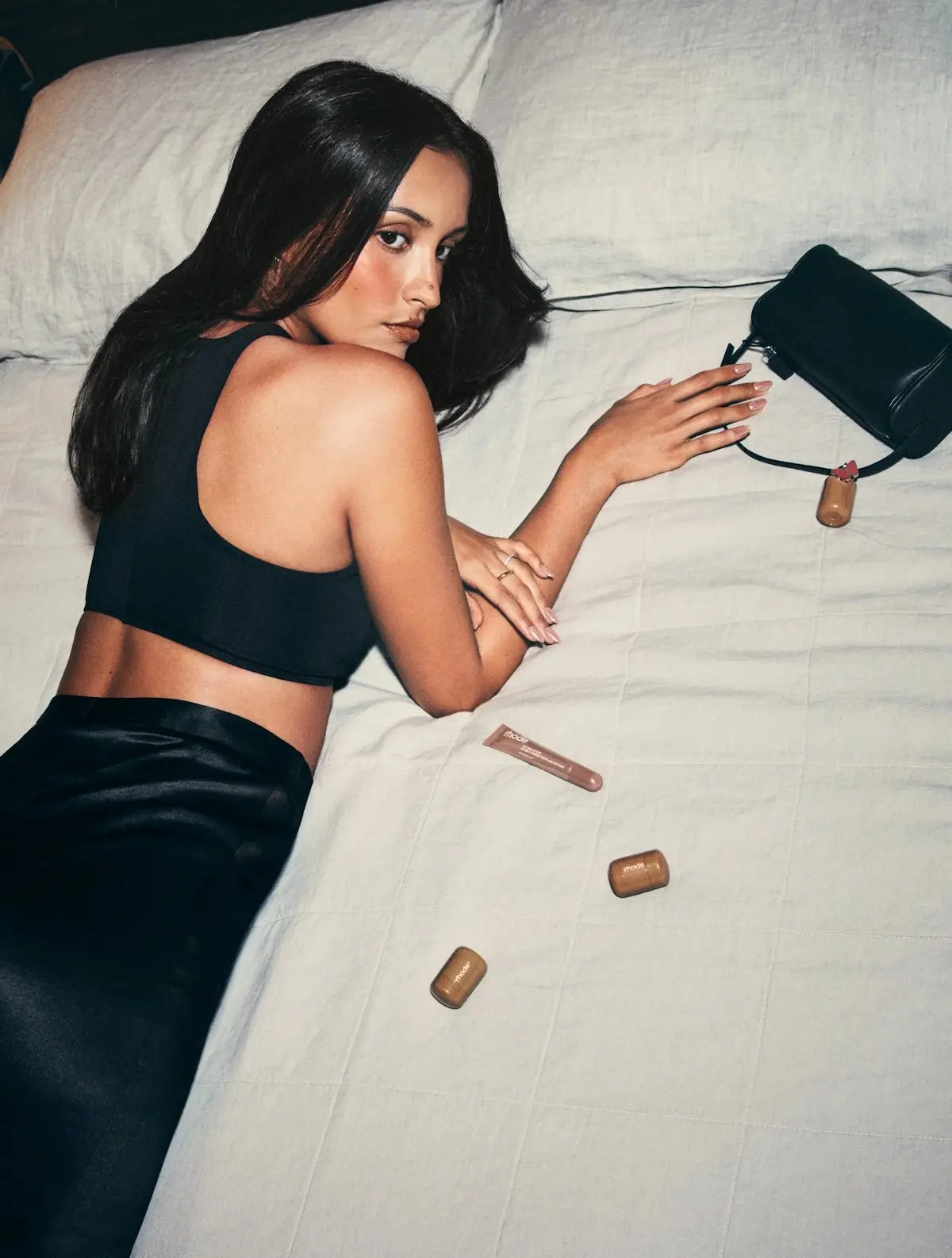

The collection launched September 15, with Pocket Pearl priced at $16 and the Peptide Lip Tint at $20.
It's a small but telling shift in beauty marketing. The product is no longer just the product. Packaging, charms, collaborations, limited quantities, and the person attached to the campaign all become part of the object.
Fashion has been selling accessories as collectibles for decades. Beauty is increasingly borrowing the same playbook.
WHEN THE AD BECOMES THE STORY
Sydney Sweeney's latest campaign for sports prediction platform Novig became one of the week's biggest advertising conversations.
The campaign featured Sweeney in a series of provocative sports-themed images, prompting criticism from prominent female athletes including Olympic swimmer Ariarne Titmus and British sprinter Amy Hunt, who argued that the campaign sexualized women in sport.
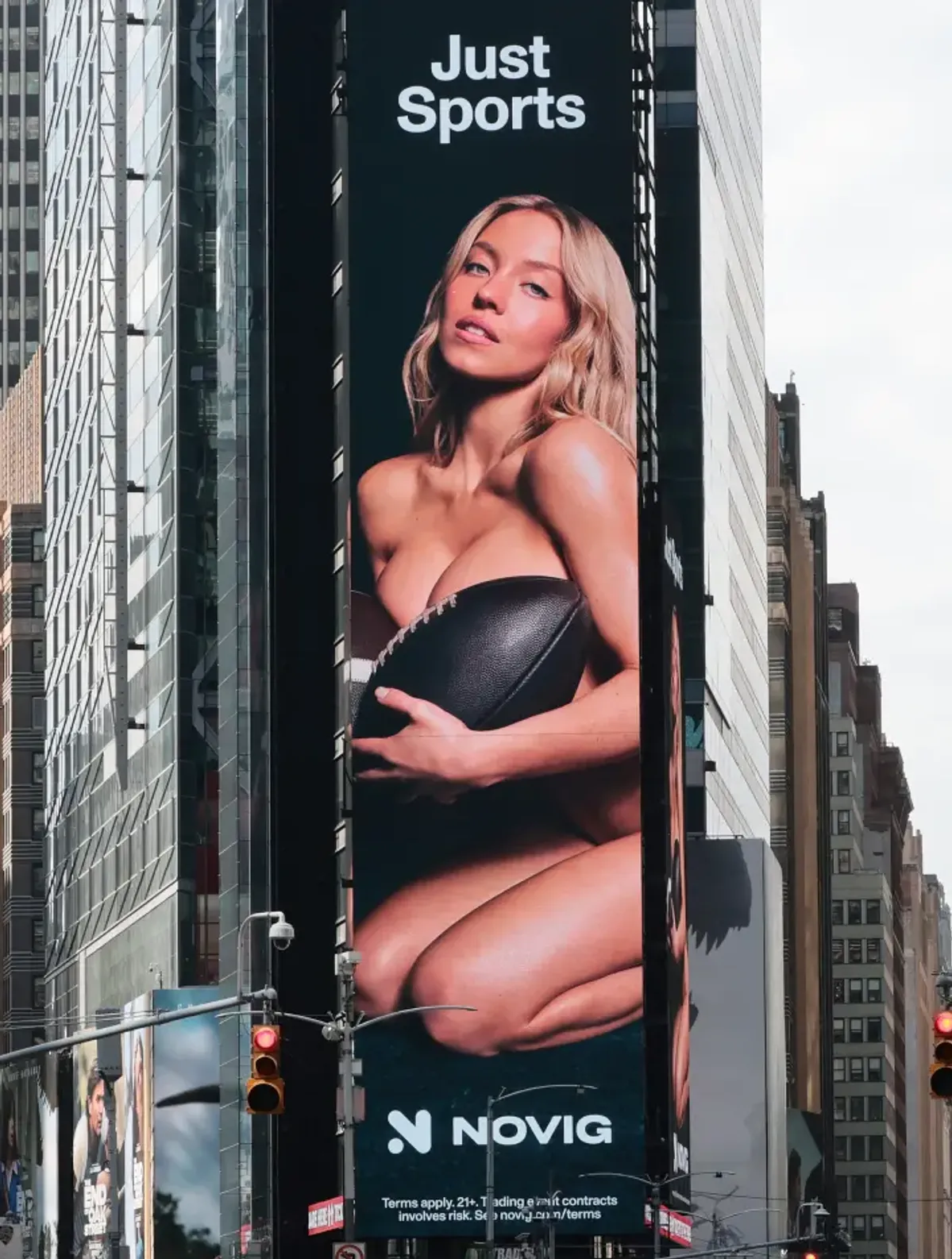
The controversy itself became part of the campaign's reach. The Guardian reported that the commercial had been viewed more than 22 million times within its first two days.
That doesn't automatically make the campaign effective, but it does illustrate the increasingly blurred line between advertising and cultural event.
The strategy is familiar: create something provocative enough that people don't simply see it, but discuss it, repost it, criticize it, and turn it into a story.
The question for fashion and beauty brands is becoming less about whether people will see an advertisement and more about what happens after they do.
THE CFDA'S UNEXPECTED NYFW STORY
Not every NYFW headline came from a collection.
CFDA president Steven Kolb was placed on leave following a physical confrontation with PETA protesters at the COS show on September 13. The CFDA said Kolb would remain on leave pending a full review. Kolb subsequently apologized publicly for his actions.
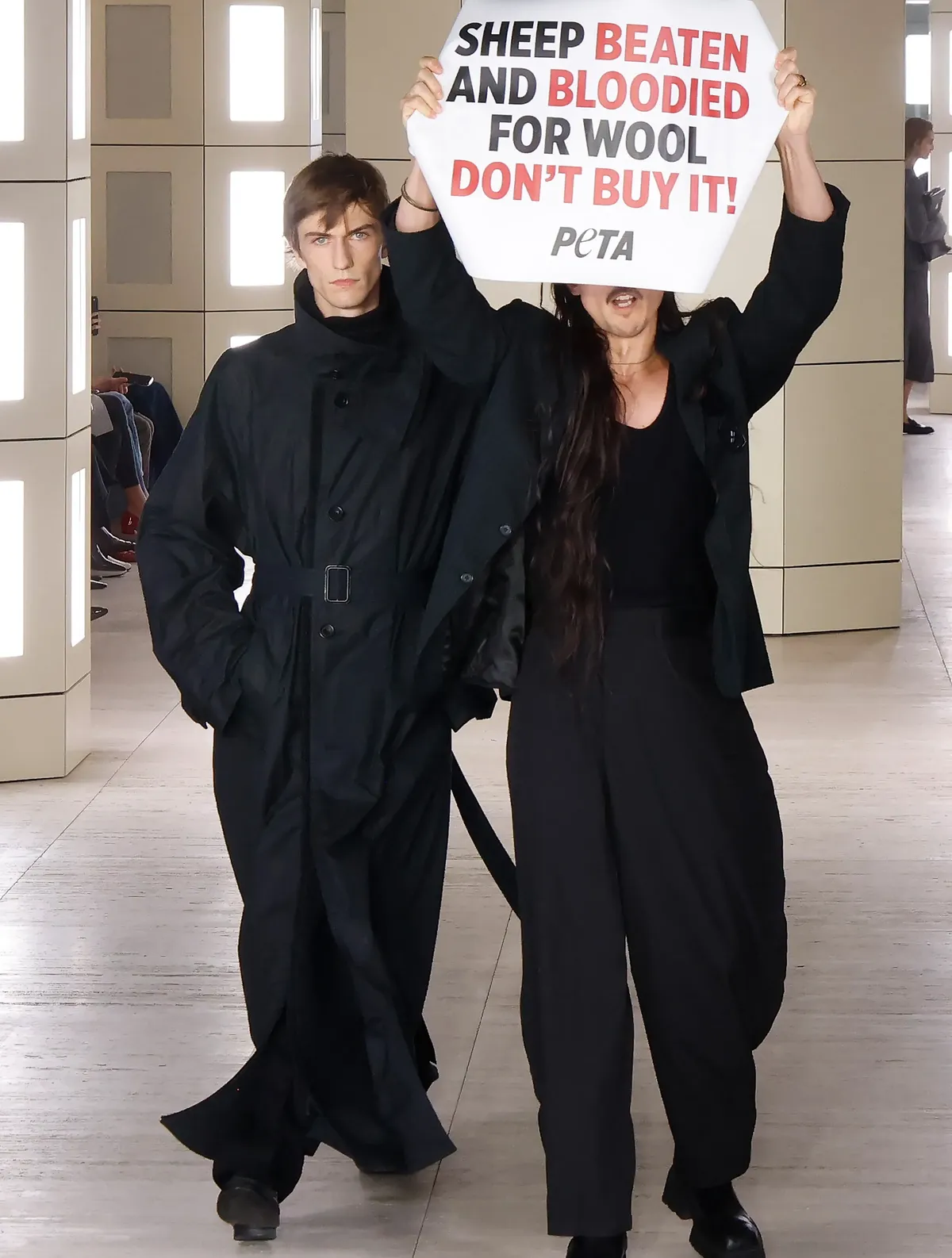
The incident unfolded during a PETA protest concerning wool production, adding another layer to the industry's ongoing debate around animal materials and sourcing.
For an industry that increasingly positions sustainability and ethical sourcing as part of its public identity, the confrontation became an unexpected reminder that those conversations aren't happening only inside brand sustainability reports. They are also playing out directly at fashion's biggest public events.
NIKE'S NUMBERS TELL A DIFFERENT STORY
Meanwhile, the business side of fashion and sportswear is telling its own story.
Nike is set to be removed from the S&P 100 on September 21 after nearly 18 years in the index. Reuters reported that the company's market value has fallen by roughly 80% over the past five years, amid slowing sales, competition, and challenges around product innovation.
Other reporting puts the decline in market capitalization at roughly $224 billion from its previous peak, with Nike's market value falling from around $281 billion to approximately $57 billion.
The numbers are a useful counterpoint to the cultural noise surrounding fashion right now.
On one side, brands are investing heavily in collaborations, entertainment, celebrity, and cultural storytelling. On the other, the traditional business of selling products at enormous scale remains under pressure.
Nike's situation doesn't mean sportswear is disappearing. It does show how quickly consumer attention, retail strategy, competition, and brand relevance can reshape the fortunes of even the biggest names in fashion.
SO, WHAT DOES THIS MEAN FOR FASHION?
The most interesting pattern this week isn't one specific trend. It's the continued collapse of the boundaries between fashion, entertainment, beauty, and culture.
Runway data is pulling older silhouettes back into circulation. Dior is embedding itself in theatre and film. Rhode is making blush function like an accessory. Viral advertising is becoming its own form of entertainment. And major fashion companies are increasingly judged not only by what they sell, but by how culturally present they remain.
For archival fashion, that's familiar territory.
The value of an old garment has never been only about its age. It is about context. A silhouette, designer, fabric, or accessory can sit quietly in an archive for years and suddenly become relevant again because the culture around it has shifted.
Right now, the shift is toward sharper silhouettes, collectible objects, cultural collaborations, and fashion that exists somewhere between product and experience.
The archive is already there. The interesting part is watching what comes back.
→ Book a private showroom appointment
Into Archive is a global destination for rare and archival fashion, bringing together collectible pieces from leading designers, independent collectors, and international vendors. Visit our New York showroom by appointment to explore the archive in person.
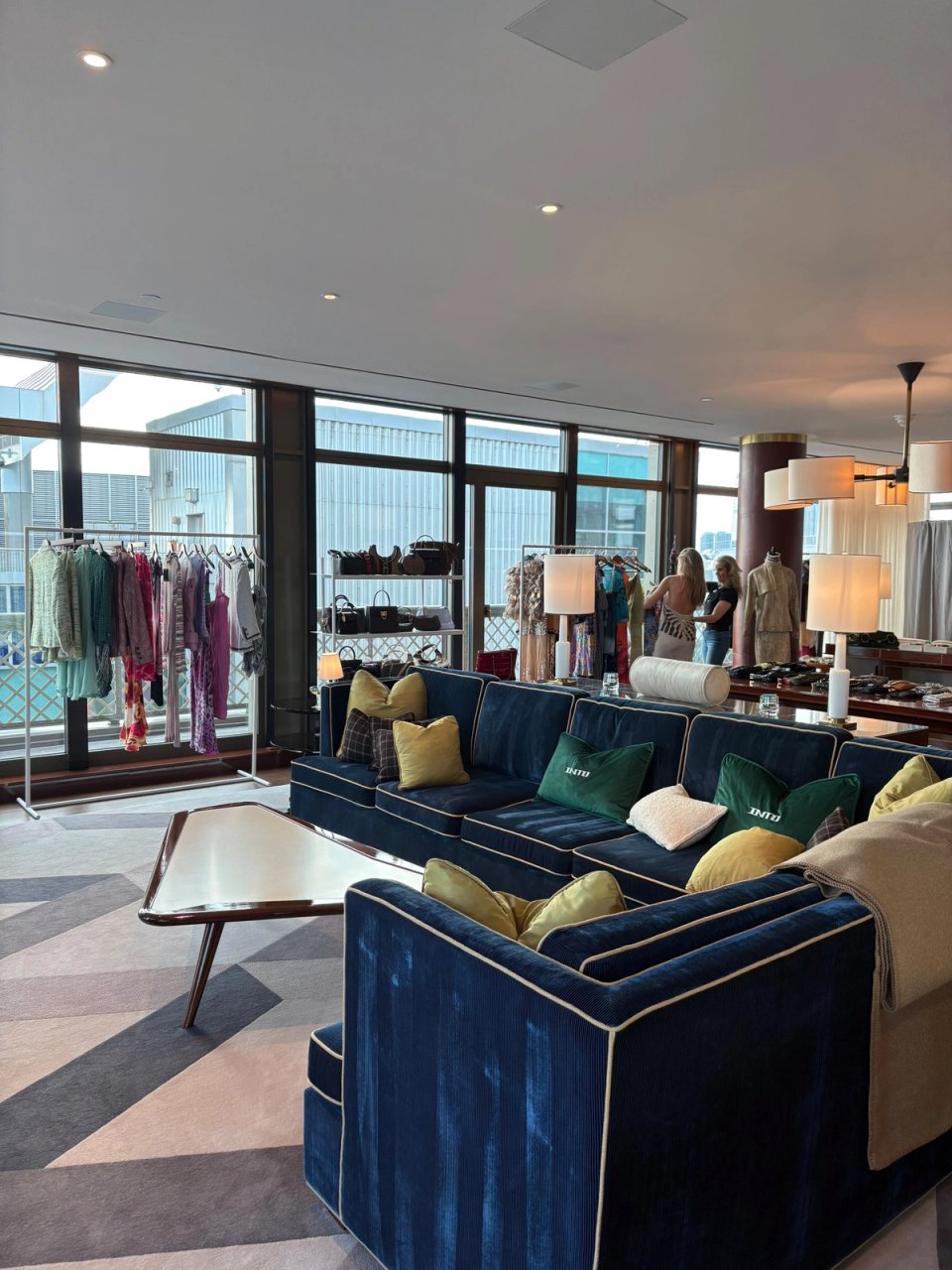
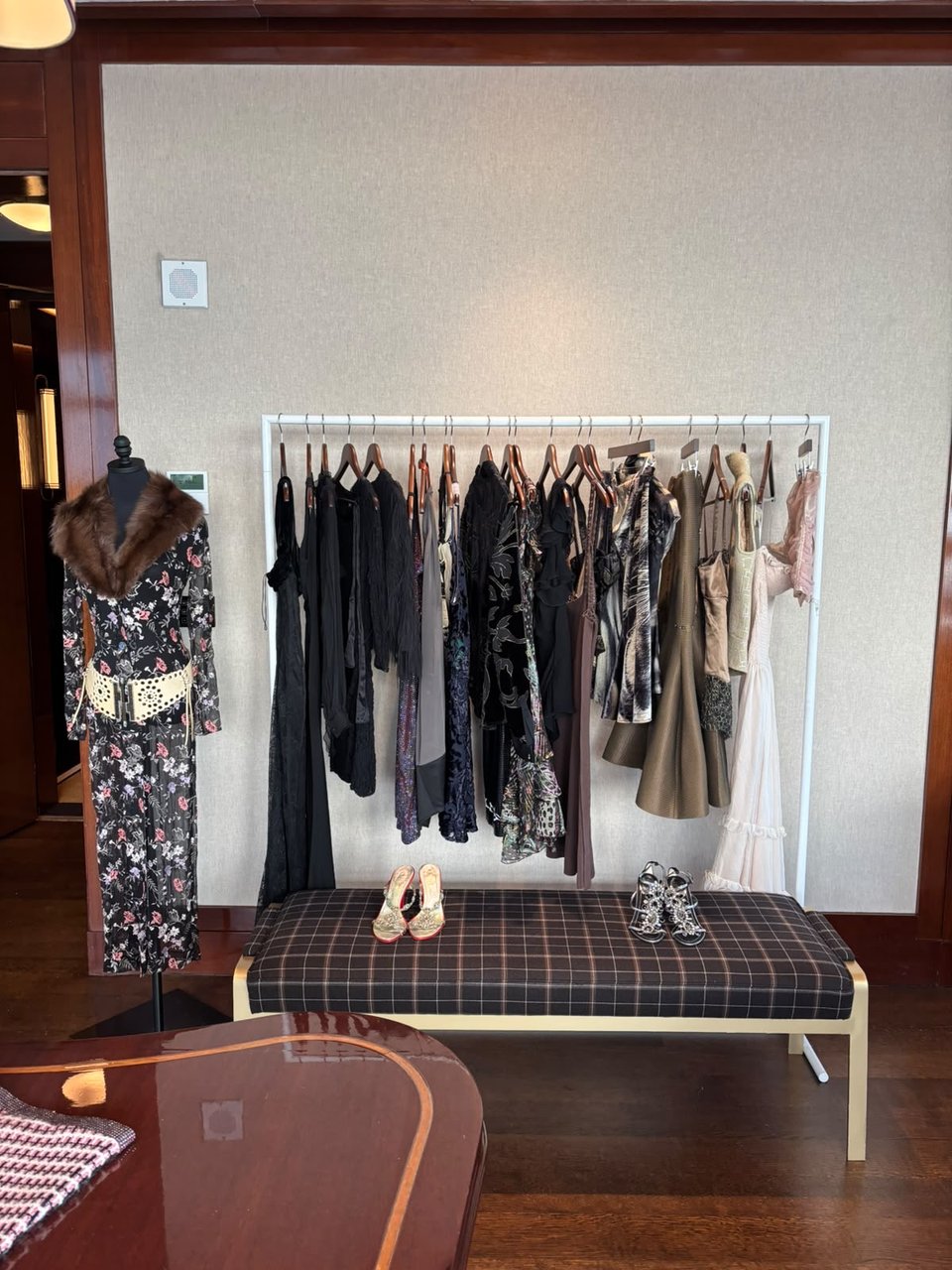
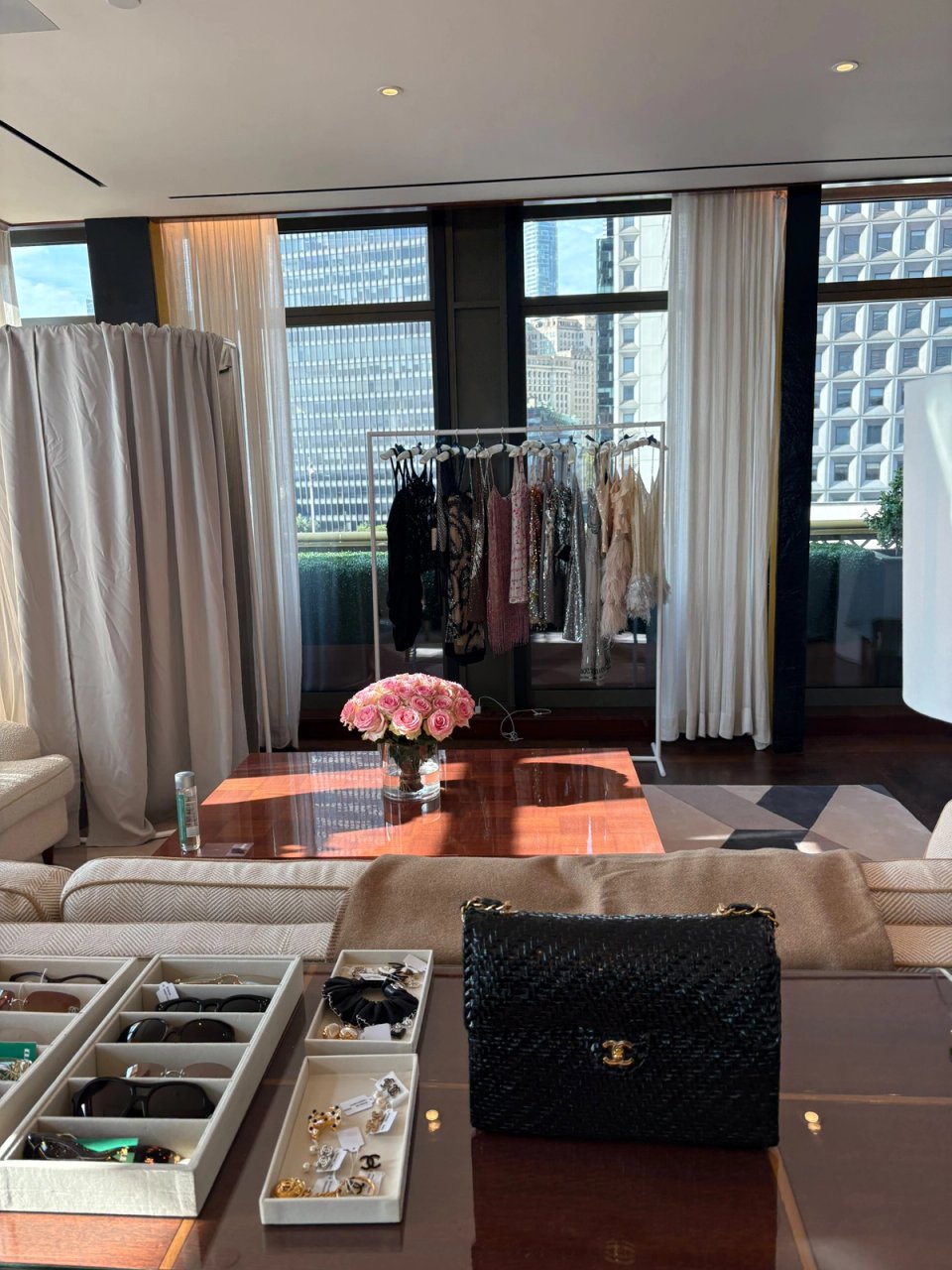
THE SUITE LIFE: INSIDE OUR CASA CIPRIANI COLLABORATION
New York Fashion Week has always been about more than the runway. It's the parties, the showrooms, the unexpected discoveries, and the people who make the city feel like fashion's center of gravity. This September, Into Archive brought that energy into one of New York's most exclusive settings.
On September 16 and 17, Into Archive joined forces with Hedy Japan for a two-day pop-up at the Presidential Suite of Casa Cipriani. Bringing together archival fashion, collectible accessories, and the atmosphere of a private residence, the event offered a different way to experience fashion during NYFW.
For two days, the suite became a space for discovery, conversation, and the kind of pieces that deserve a closer look.
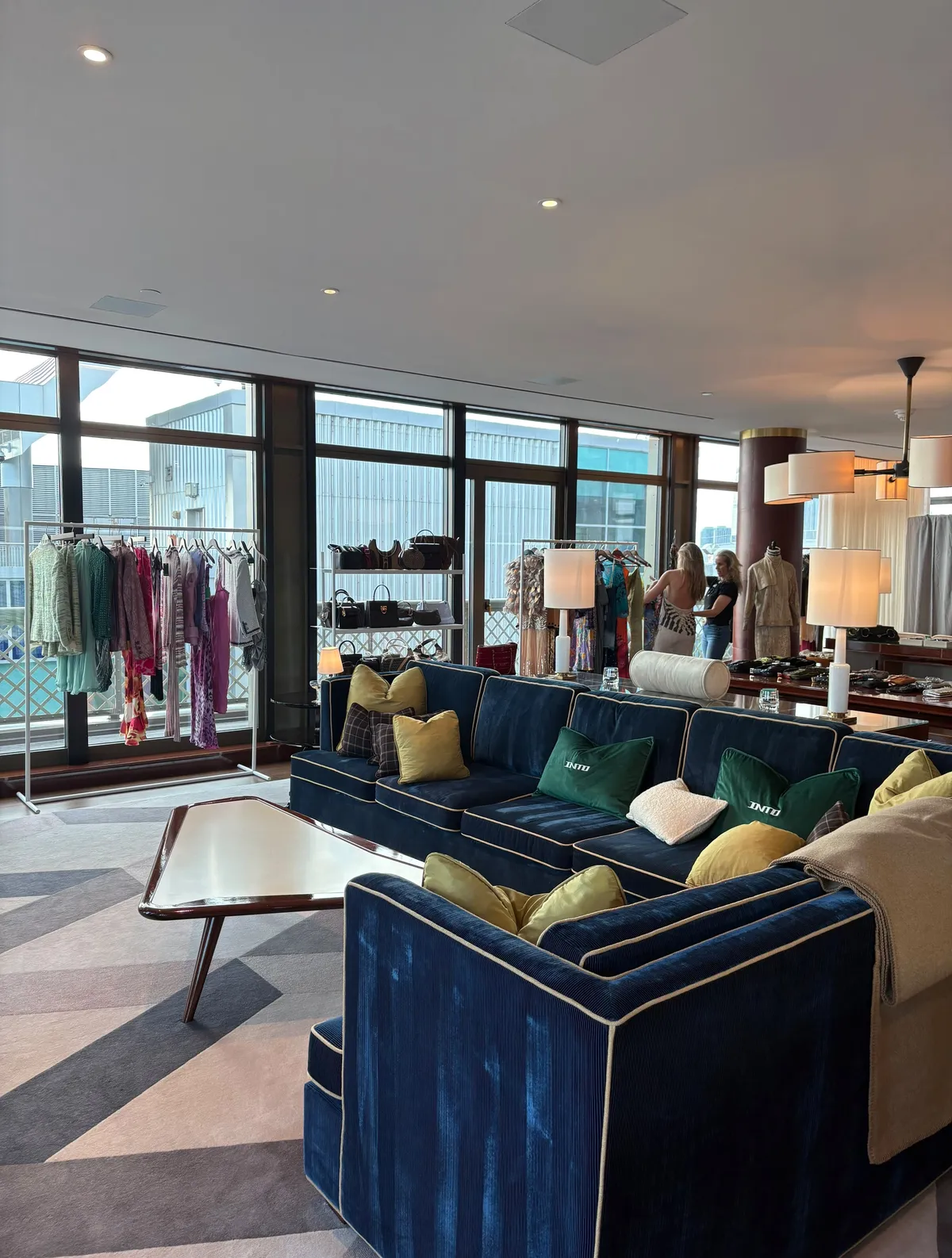
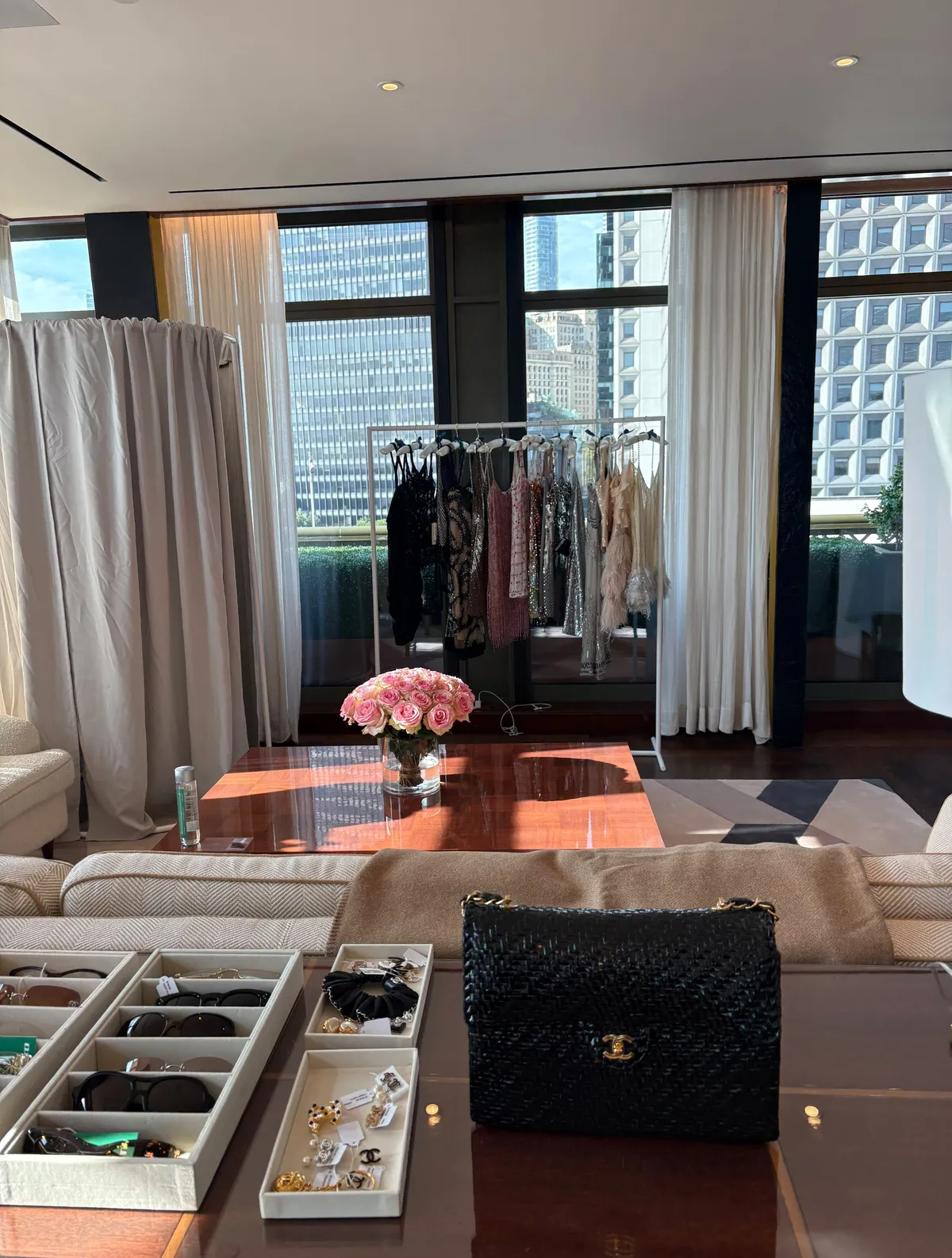
Inside the Presidential Suite
The setting was central to the experience. Casa Cipriani's Presidential Suite provided the backdrop for an event that brought the intimacy of a private fashion appointment into the rhythm of New York Fashion Week.
Instead of a traditional retail floor, guests moved through a suite environment where collectible accessories and archival pieces could be explored in a more personal setting. The format encouraged a slower kind of discovery, one shaped by conversation, styling, and the details that make vintage fashion so compelling.
The choice of venue also reflected a broader part of Into Archive's approach: creating spaces where fashion can be experienced as culture, collecting, and personal expression, rather than simply as a transaction.
Into Archive × Hedy Japan
At the heart of the pop-up was our collaboration with Hedy Japan, bringing approximately 300 bags, eyewear, and accessories into the Into Archive experience.
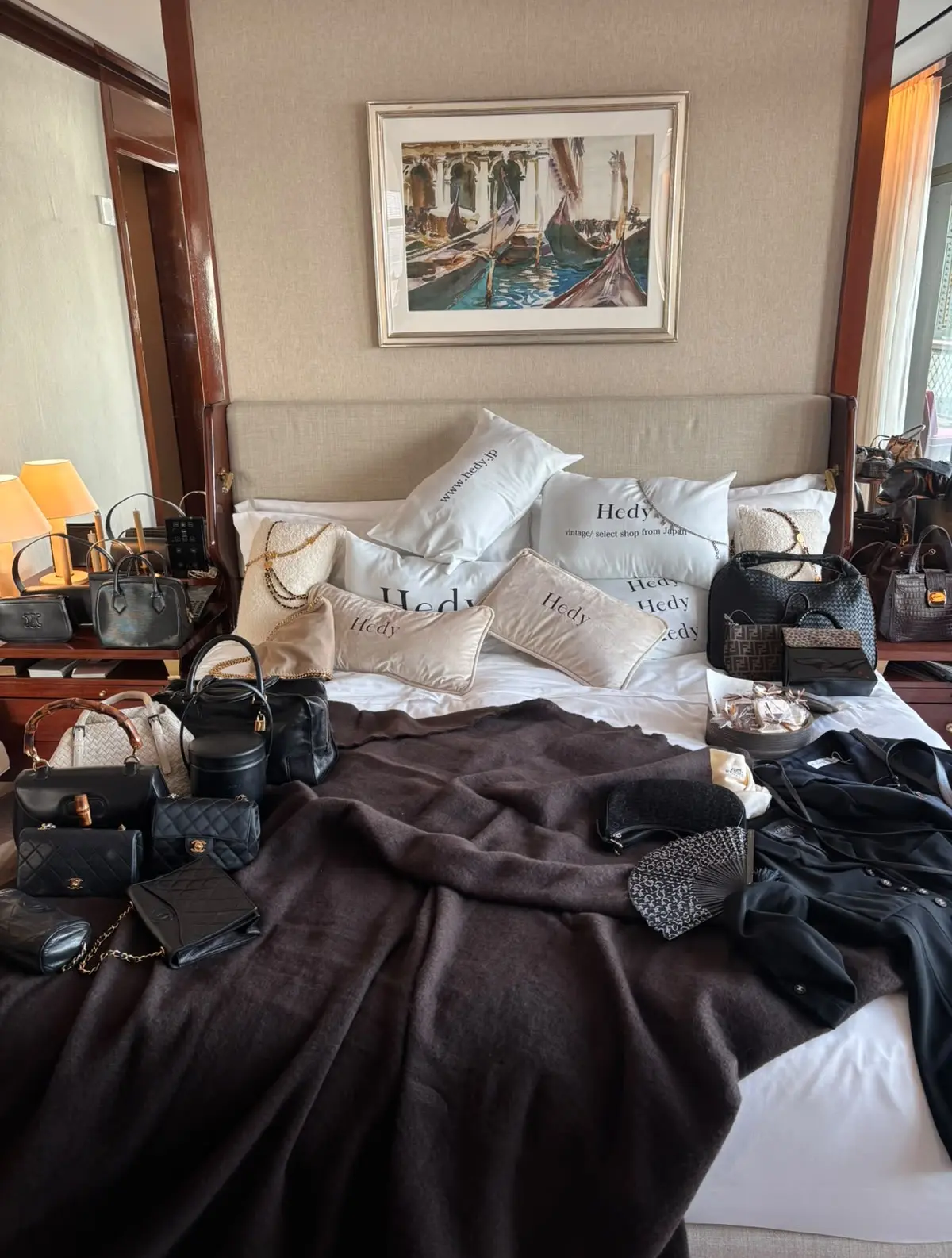
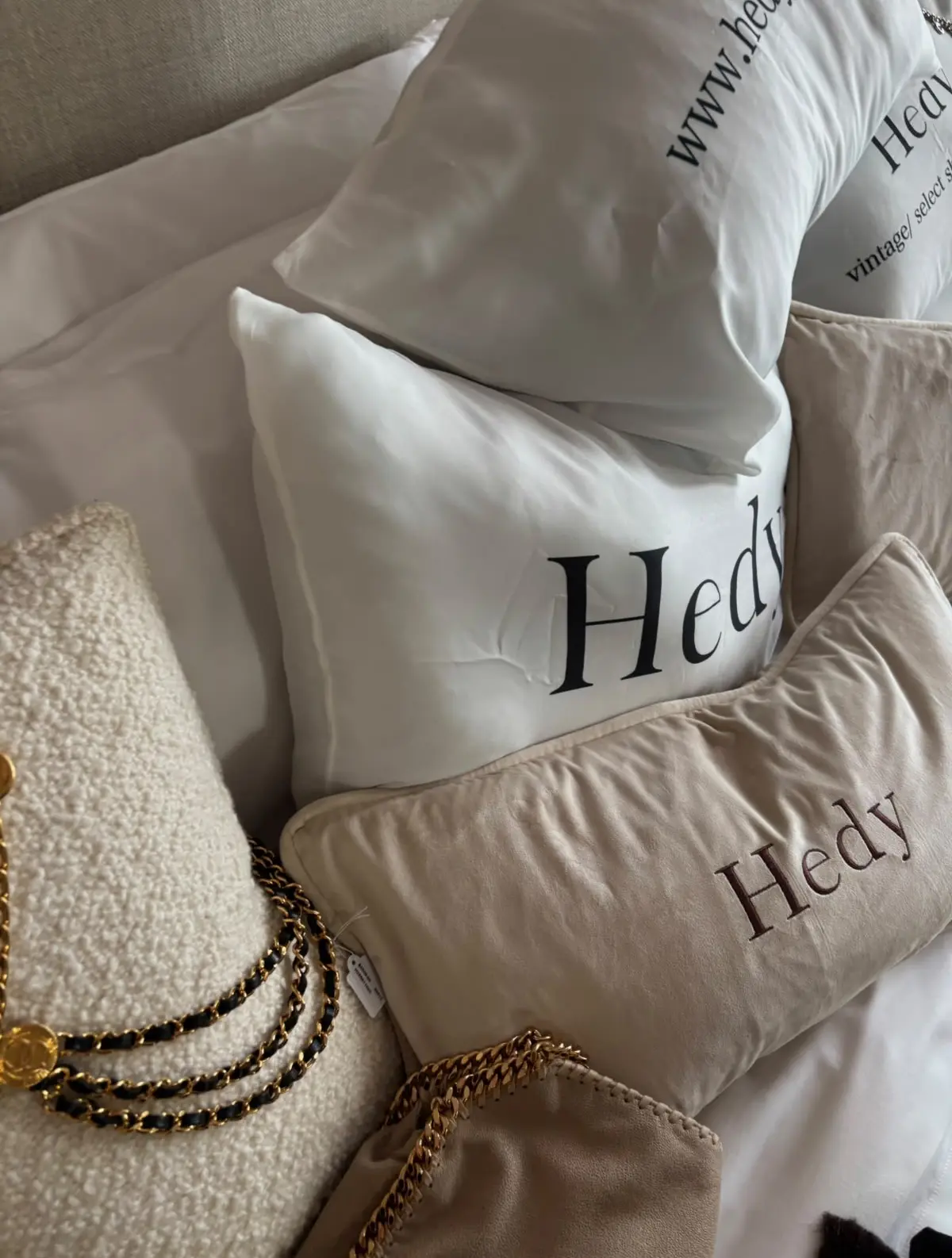
Known for its focus on vintage and collectible fashion, Hedy Japan introduced a selection that complemented Into Archive's own archive. The collaboration created an opportunity to bring together different perspectives on collecting, with rare accessories and fashion pieces presented within one unified setting.
For guests, this meant an expanded selection to explore during NYFW. For Into Archive, it was an opportunity to develop an international partnership through a physical event and continued product offering beyond the pop-up itself.
The collaboration extended beyond September 17, with selected pieces remaining available through Into Archive's global marketplace following the event.
Explore more: Shop Into Archive's archival fashion collection
A Closer Look at the Collection
The most compelling part of any archival fashion experience is the opportunity to encounter pieces that feel distinct from the ordinary.
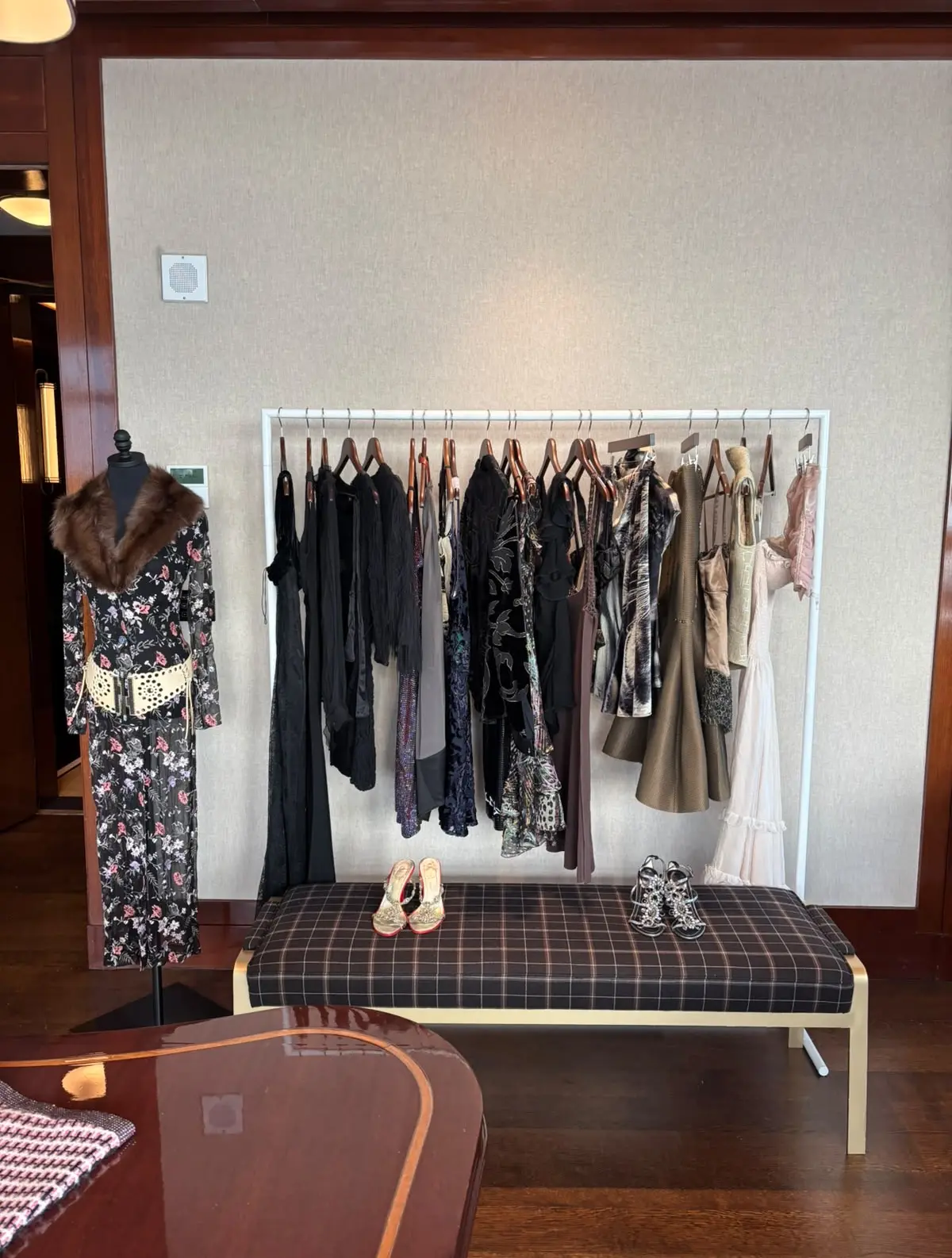
Vintage designer handbags, collectible eyewear, and rare accessories formed part of the selection presented at Casa Cipriani. Each piece offered a different entry point into fashion history, from recognizable designer signatures to unusual details and designs that reward a closer look.
The Hedy Japan selection also broadened the experience, introducing guests to collectible accessories within the context of Into Archive's wider archive.
The Atmosphere: Fashion, Champagne, and Conversation
The pop-up was designed to feel intimate, elevated, and distinctly New York.
Over the two days, guests were welcomed into the suite to browse the collection and experience the collaboration in a setting that combined fashion discovery with hospitality. Caviar, champagne, and Into Archive's signature green cocktails formed part of the event experience.
The result was a setting where the social side of fashion could exist alongside the commercial one. Guests could explore pieces, connect with the team, and spend time engaging with the collection outside the pace of a traditional showroom appointment.
It's this balance between fashion and experience that made the pop-up feel aligned with Into Archive's approach to physical retail: a space built around the pieces, but equally around the people who come to discover them.
Behind the Scenes of the Pop-Up
An event like this begins well before the first guest arrives.
From coordinating with an international partner to preparing the collection, organizing branding, managing logistics, and communicating with guests, the Casa Cipriani pop-up involved multiple moving parts coming together within a short timeline.
The challenge was not simply presenting a collection in a new location. It was creating a cohesive experience that brought Into Archive and Hedy Japan together while working within the requirements of a luxury hospitality venue.
The finished event was the result of that preparation: a carefully coordinated setting where the collection, guest experience, and partnership could come together across two days of NYFW.
The Business of an In-Person Fashion Experience
The Casa Cipriani pop-up also offered an opportunity to explore how Into Archive's physical events can support the broader business.
Through the Hedy Japan collaboration, the event expanded the selection available to guests while creating a platform for product discovery and ongoing sales. The partnership also demonstrated how international relationships can translate into in-person retail experiences in New York.
Beyond immediate transactions, events like this create opportunities to develop relationships with collectors, stylists, fashion professionals, and new clients.
For Into Archive, the pop-up formed part of a continued effort to connect its online marketplace, physical showroom, and event-led experiences.
Looking Back
Two days at Casa Cipriani brought Into Archive and Hedy Japan together in a setting that made room for rare fashion, collectible accessories, and personal discovery.
From the Presidential Suite to the pieces on display, the September 16–17 pop-up offered a way to experience archival fashion within the atmosphere of New York Fashion Week, while building on the relationships and partnerships that continue to shape Into Archive.
The event has now wrapped, but the collaboration and the collection extend beyond those two days. For us, it's another reminder that fashion can be experienced in many forms: through a showroom appointment, a rare find online, or a room full of people discovering something special together.
Thank you to everyone who joined us at Casa Cipriani.
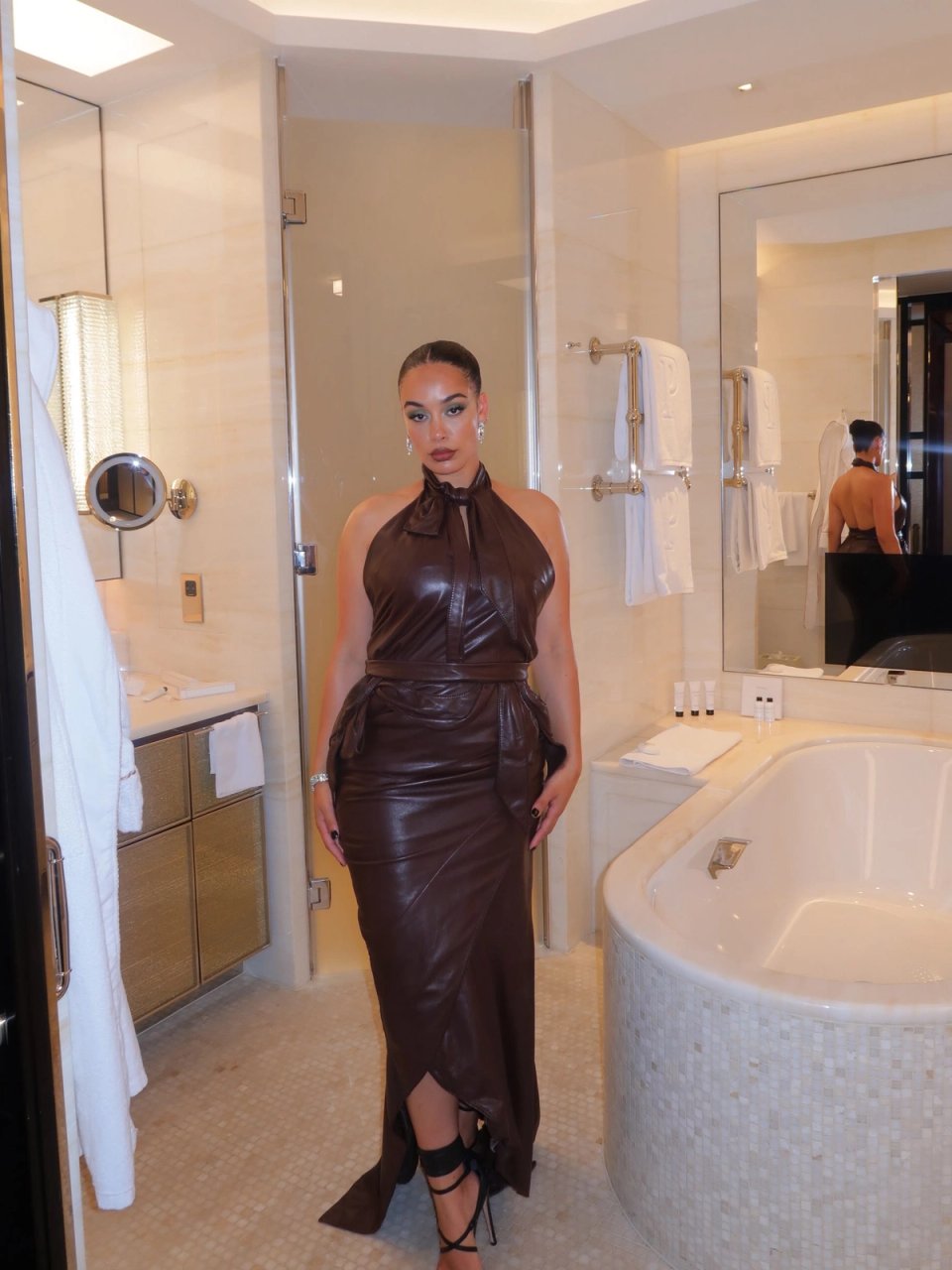
THE NINA RICCI LEATHER GOWN JORJA SMITH WORE TO THE ELLE STYLE AWARDS
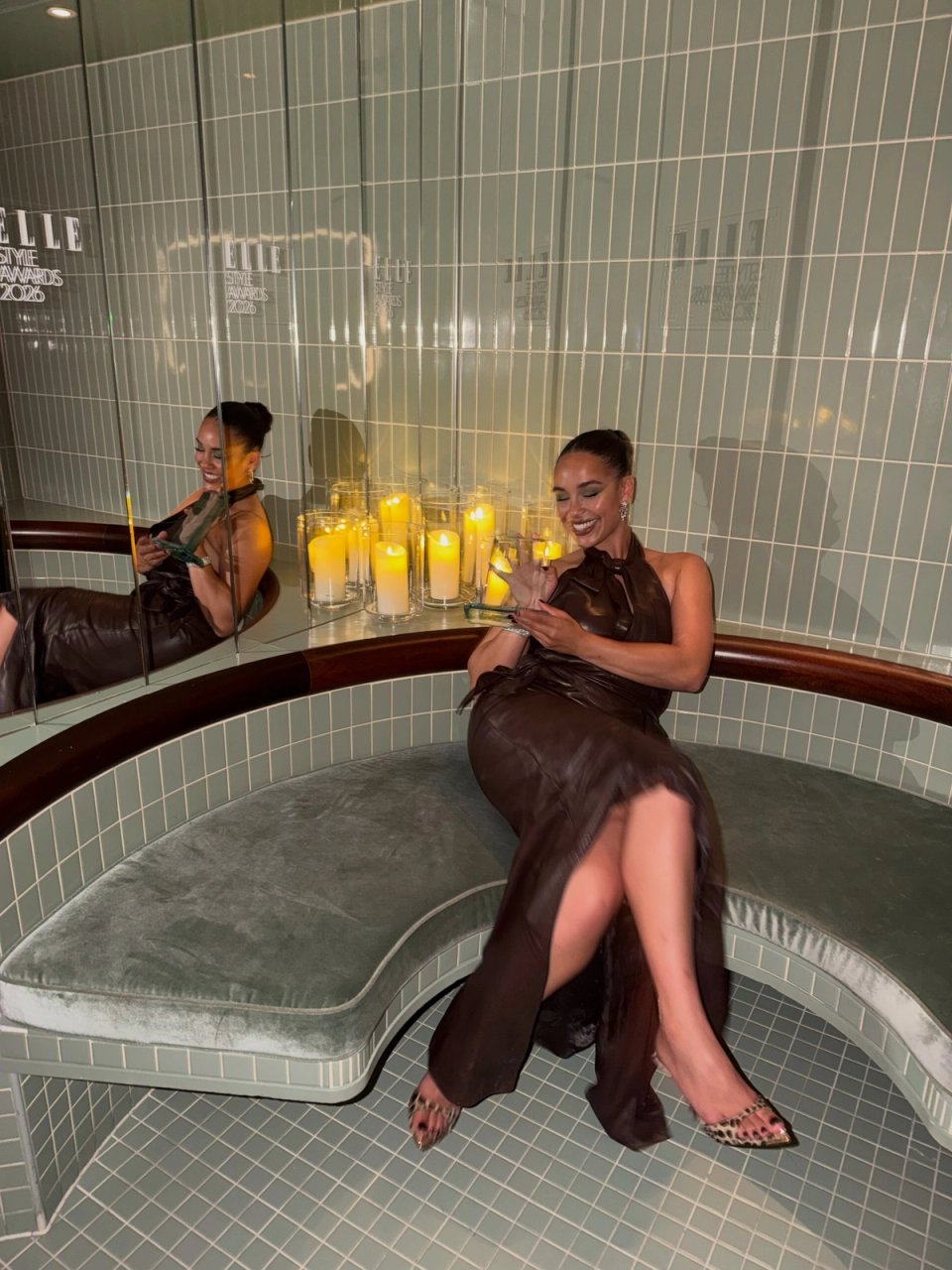
THE NINA RICCI LEATHER GOWN JORJA SMITH WORE TO THE ELLE STYLE AWARDS
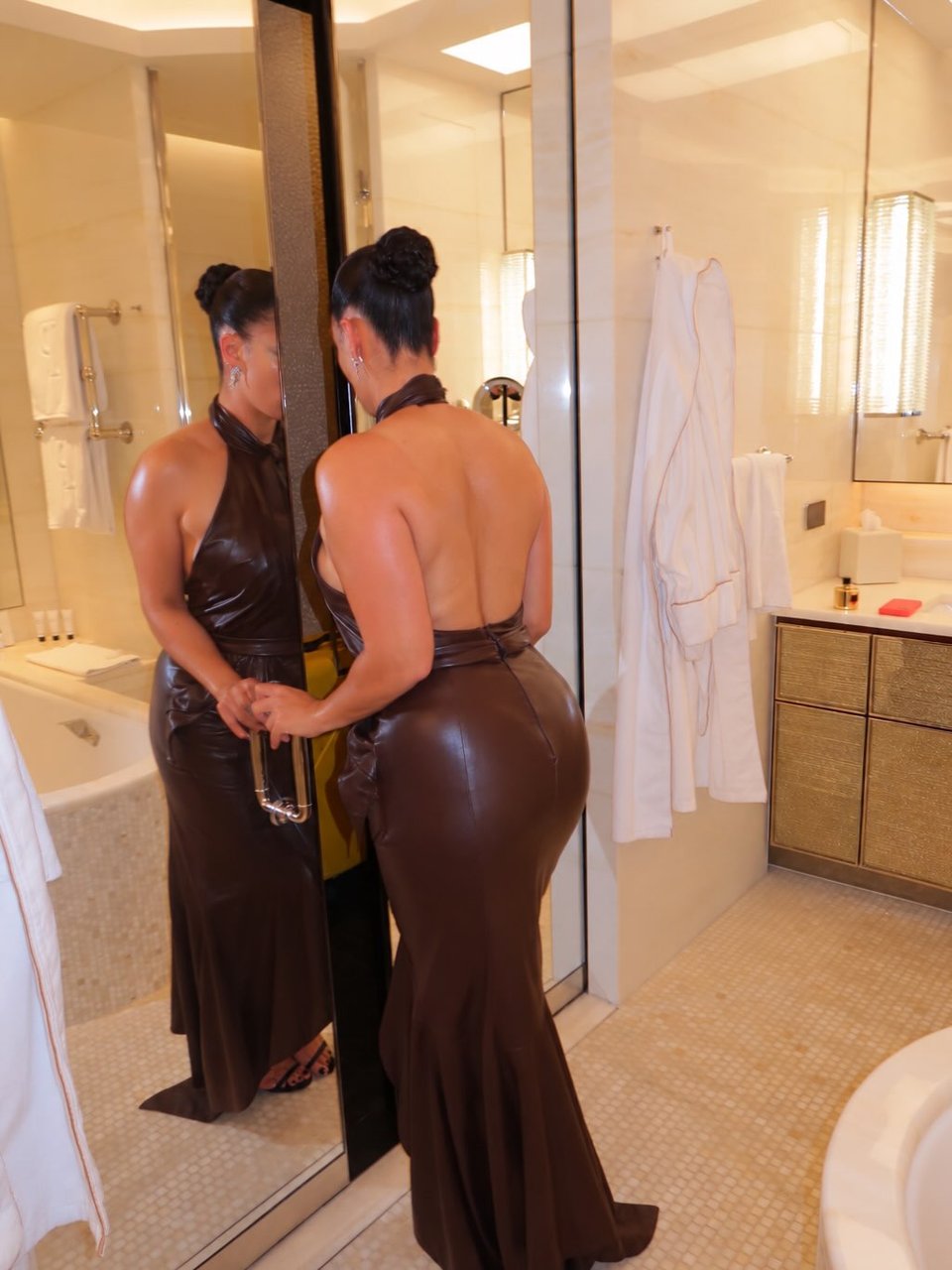
THE NINA RICCI LEATHER GOWN JORJA SMITH WORE TO THE ELLE STYLE AWARDS
THE NINA RICCI LEATHER GOWN JORJA SMITH WORE TO THE ELLE STYLE AWARDS
Jorja Smith stepped onto the red carpet at the ELLE London Style Awards in a rare piece of archival fashion: the Nina Ricci 2008 Brown Lambskin Leather Backless Evening Gown, sourced from Into Archive. Selected in collaboration with her stylist, the gown brings a distinctive vintage perspective to modern eveningwear, combining rich brown leather with a dramatic backless silhouette.
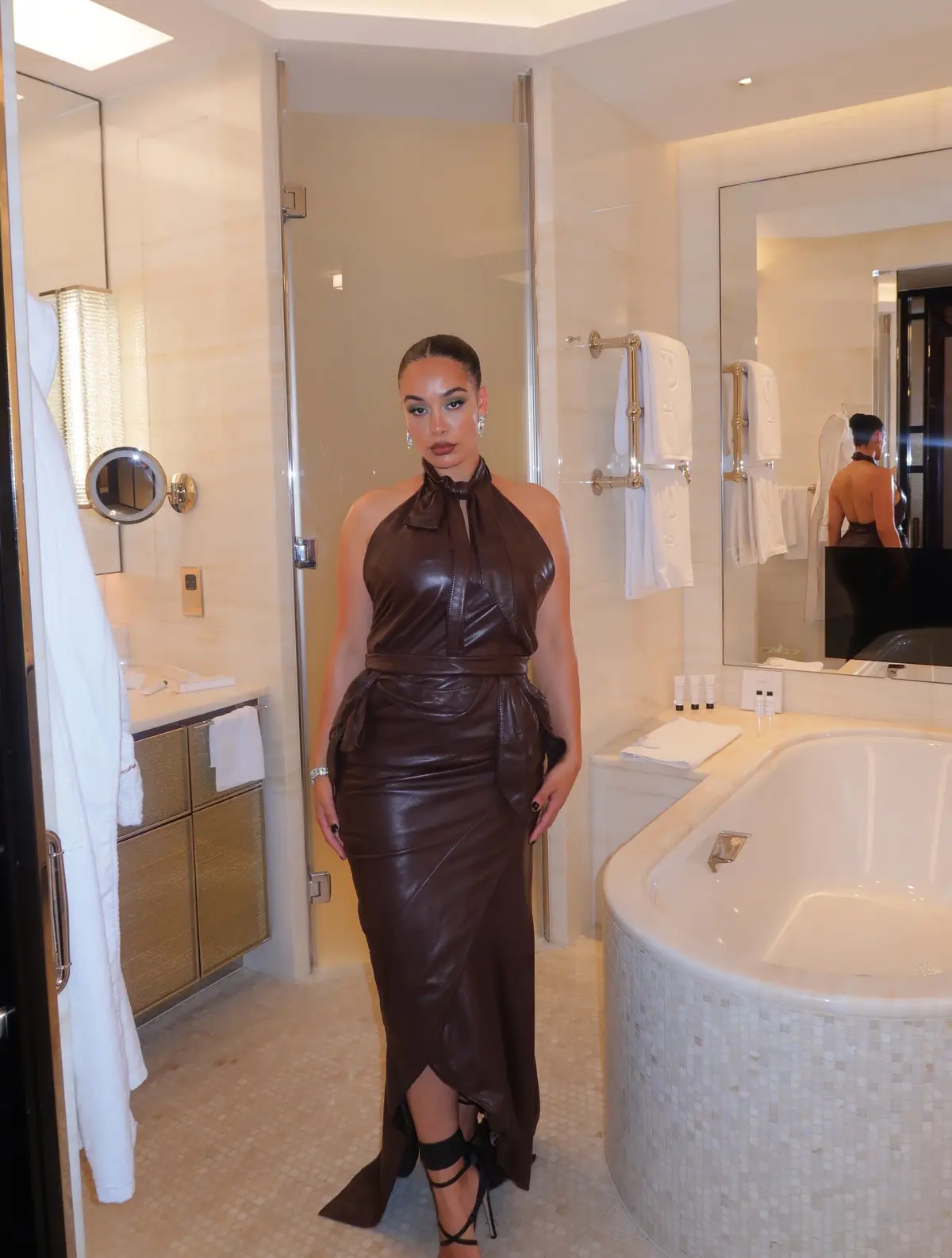
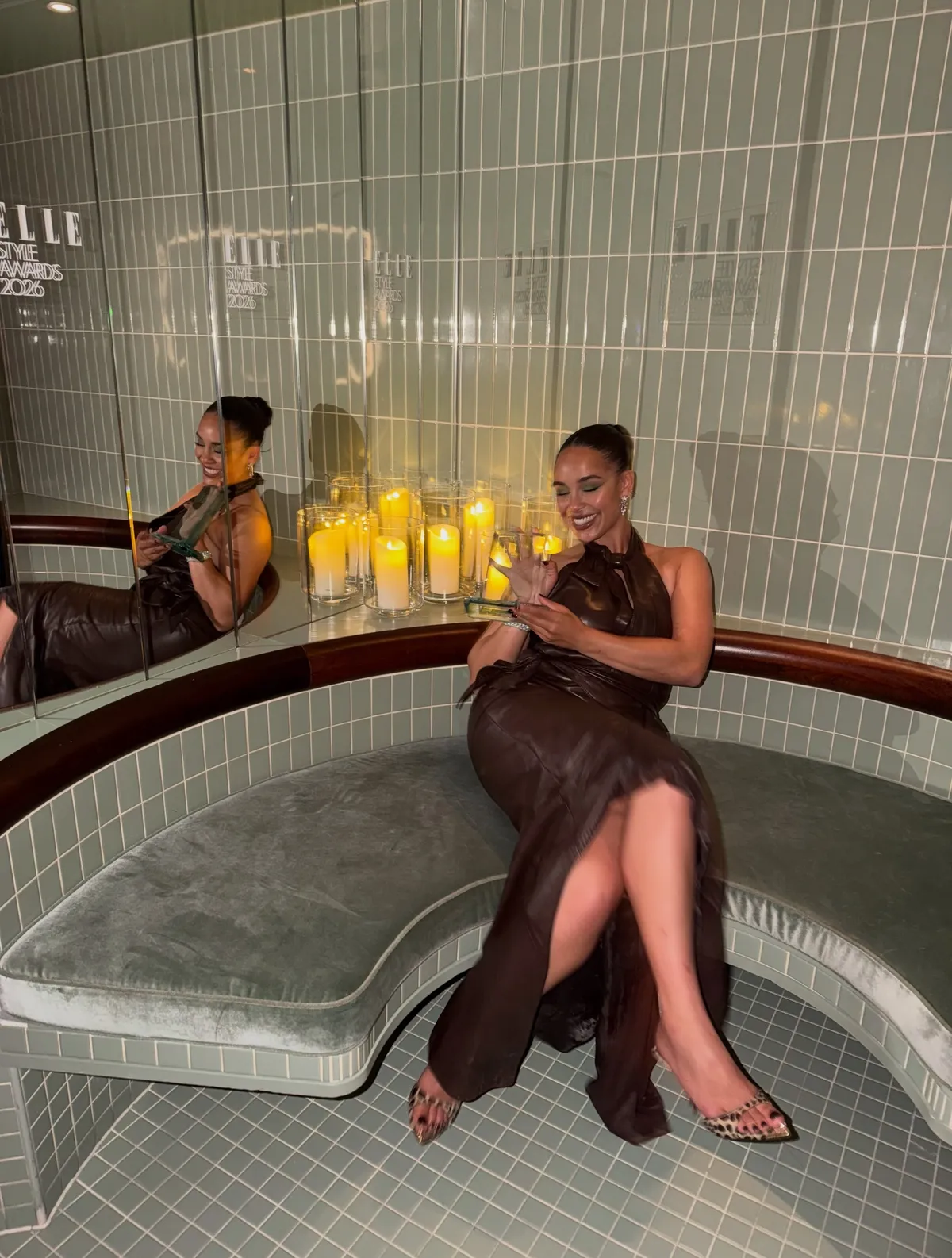
The look is a reminder of what makes archival fashion so compelling. Beyond the label, it is the material, construction, and sense of history that give a garment its character. In Jorja’s case, a Nina Ricci piece from 2008 becomes part of a contemporary red carpet moment, proving that the right vintage design can feel just as relevant today.
Jorja Smith’s archival Nina Ricci moment
The Nina Ricci 2008 Brown Lambskin Leather Backless Evening Gown is defined by its luxurious leather construction and striking open-back design. Crafted from supple brown lambskin, the gown brings an unexpected material into the world of evening dressing, where silk, satin, and velvet have traditionally dominated.
The rich brown tone adds warmth to the silhouette, while the backless construction introduces a sense of understated drama. Rather than relying on excessive embellishment, the gown makes its impact through the interplay of texture, shape, and skin.
Sourced from Into Archive, the piece was selected in collaboration with Jorja Smith’s stylist for the ELLE London Style Awards. The styling moment connects a rare Nina Ricci design from the late 2000s with contemporary red carpet fashion, giving an archival garment a new setting and perspective.
A closer look at the Nina Ricci 2008 gown
Leather eveningwear has a long history of challenging traditional ideas of formal dressing. Its structure and tactile finish can transform a familiar gown silhouette into something more unexpected, balancing elegance with a distinctly modern edge.
The Nina Ricci gown’s brown lambskin construction is central to its appeal. Unlike a conventional black leather dress, the warm color creates a softer, more nuanced interpretation of the material. Combined with the backless design, it creates a look that feels both refined and unconventional.
Pieces like this are part of what makes collecting archival fashion so rewarding. The details that once defined a particular fashion era can be reinterpreted through contemporary styling, revealing new possibilities in garments that might otherwise remain within vintage collections.
From the archive to the ELLE London Style Awards
The return of archival designer fashion to the red carpet reflects a wider interest in garments with distinct histories and identities. Stylists are increasingly turning to vintage and runway-era pieces to create looks that feel more personal and less tied to current seasonal collections.
Jorja Smith’s Nina Ricci gown captures that approach. Its leather construction and open-back silhouette offer a different perspective on formalwear, while its 2008 origins give the look a direct connection to fashion history.
At Into Archive, we work with stylists, artists, and fashion teams to source rare designer pieces for red carpet appearances, editorial projects, and creative productions. Our role is to connect distinctive garments from the past with the people shaping fashion today.
The Nina Ricci leather gown
The Nina Ricci 2008 Brown Lambskin Leather Backless Evening Gown is part of Into Archive’s collection of rare and collectible designer fashion.
Jorja Smith wearing the gown at the ELLE London Style Awards highlights the enduring appeal of archival eveningwear. With its rich leather finish and distinctive silhouette, the piece offers a fresh interpretation of formal dressing while preserving the character of its original era.
→ Rent the Nina Ricci 2008 Brown Lambskin Leather Backless Evening Gown
About Into Archive
Into Archive is a New York-based destination for rare and collectible fashion, bringing together archival designer pieces from across decades and around the world. The archive works closely with stylists, artists, and fashion teams to source distinctive pieces for editorial, red carpet, music, and creative projects.

LISA WEARS RARE MIU MIU SS 2008 BOOTS IN “SAWADIKA”
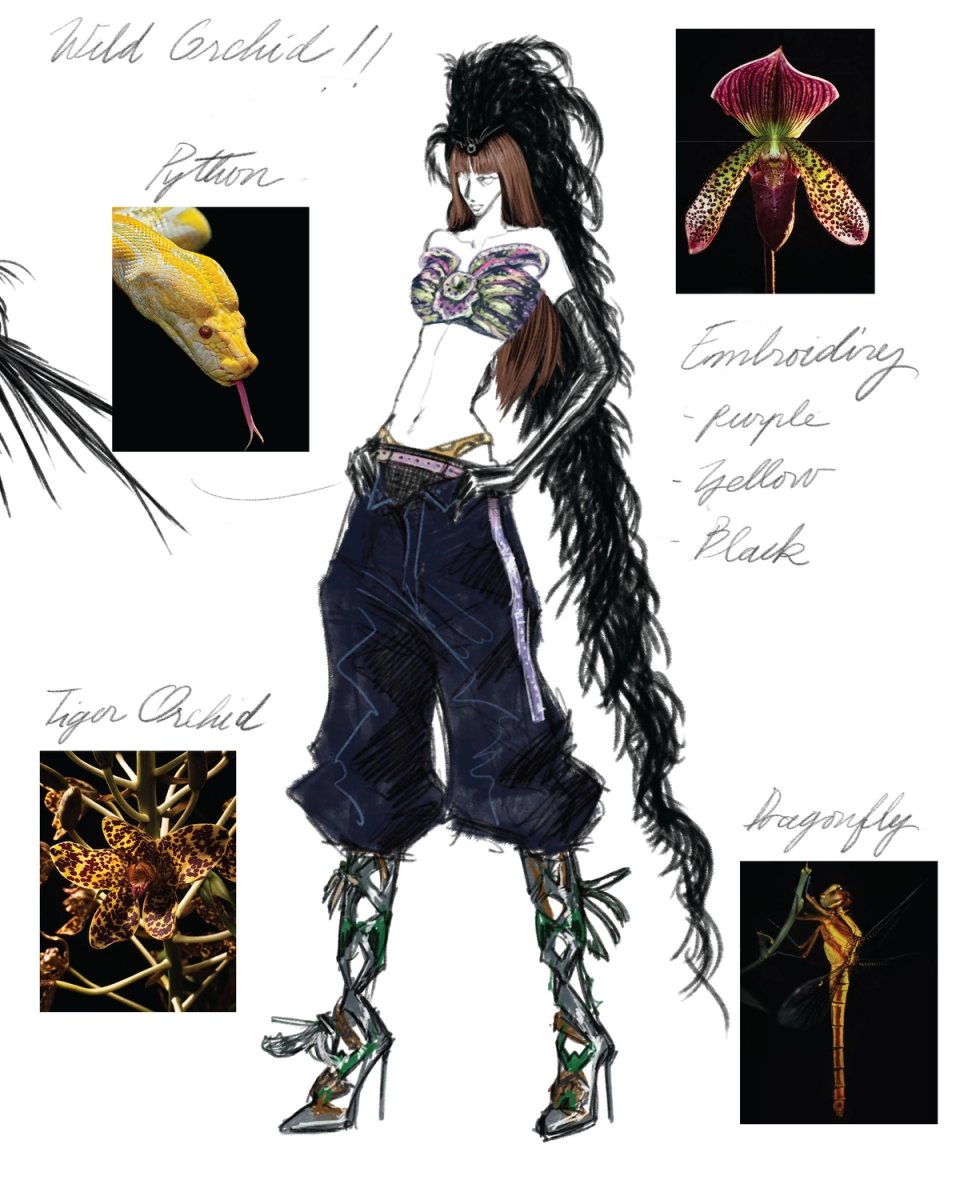
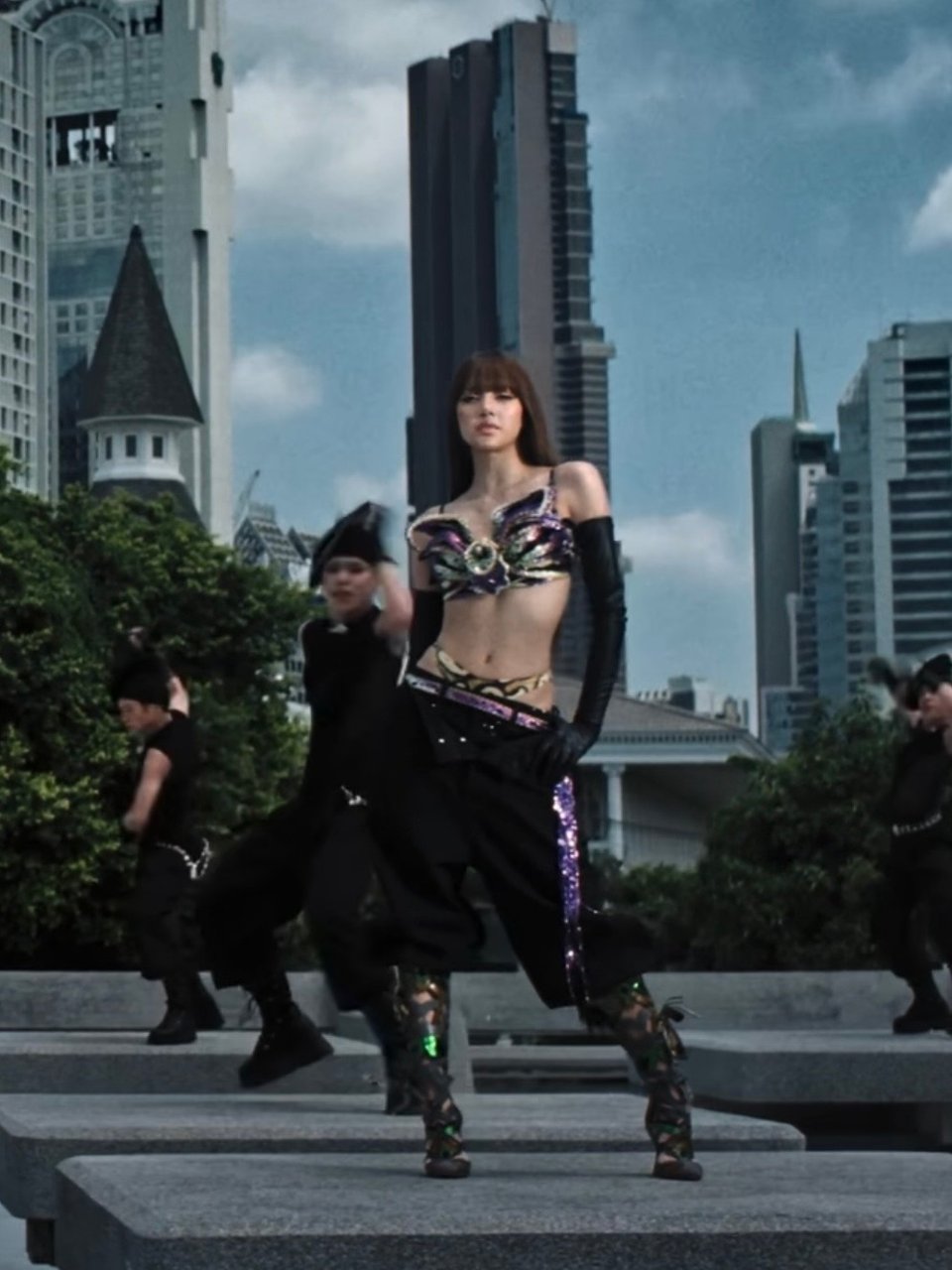
BLACKPINK’s Lisa steps into the Miu Miu archive for her latest music video, “Sawadika,” wearing a rare pair of Miu Miu SS 2008 Runway Python Leather Cut-out Dragonfly Boots sourced from Into Archive.
The look came together through Into Archive’s work with Lisa’s styling team, bringing one of Miu Miu’s most distinctive archival accessories back into the spotlight. Pulled from Into Archive’s collection of rare designer pieces, the boots add an unexpected archival layer to Lisa’s visual world in “Sawdika.”
Lisa goes archival in “Sawadika”
For the music video, Lisa wears the Miu Miu SS 2008 Runway Python Leather Cut-out Dragonfly Boots, a striking pair that feels particularly at home within the surreal, playful language of Miu Miu’s archive.
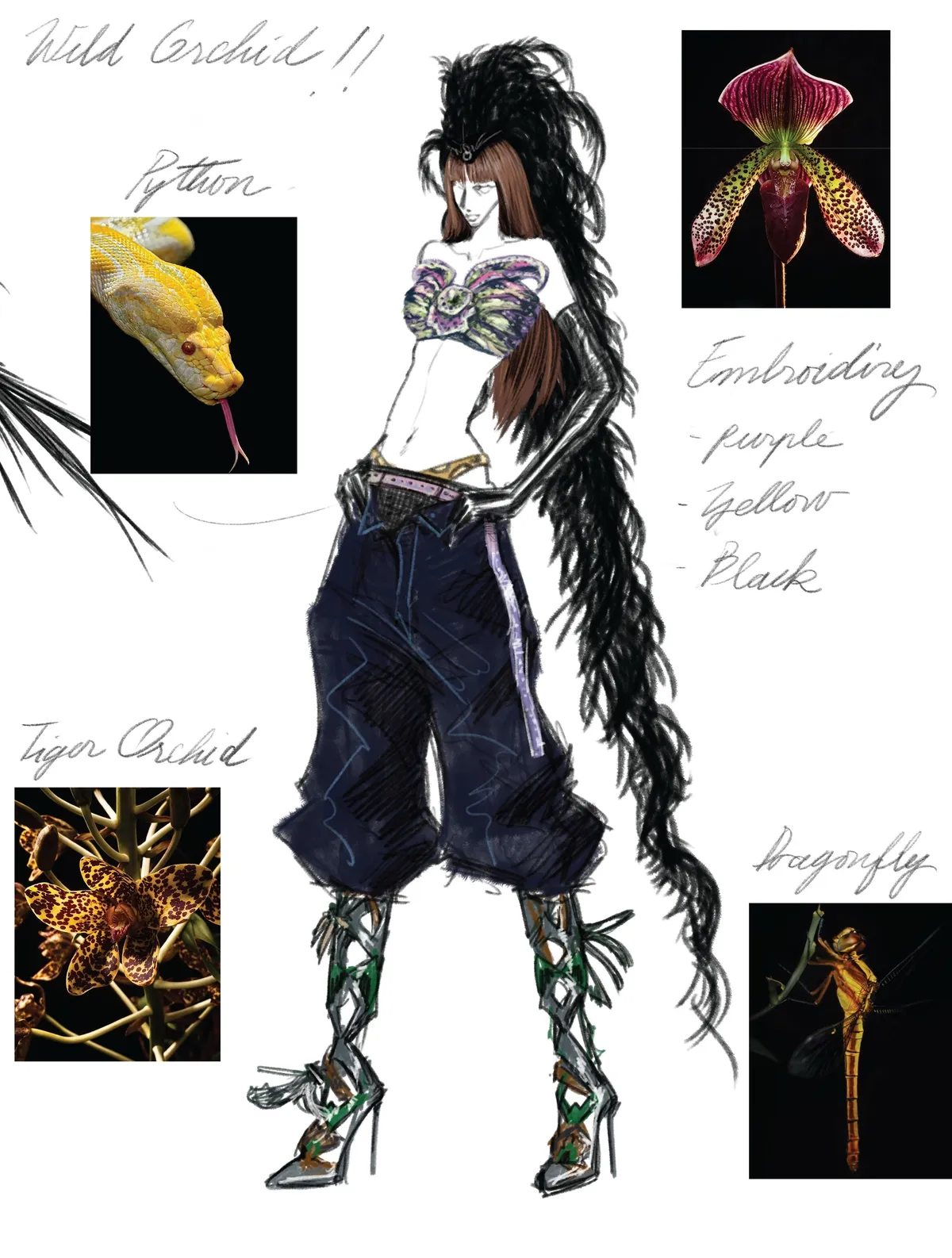
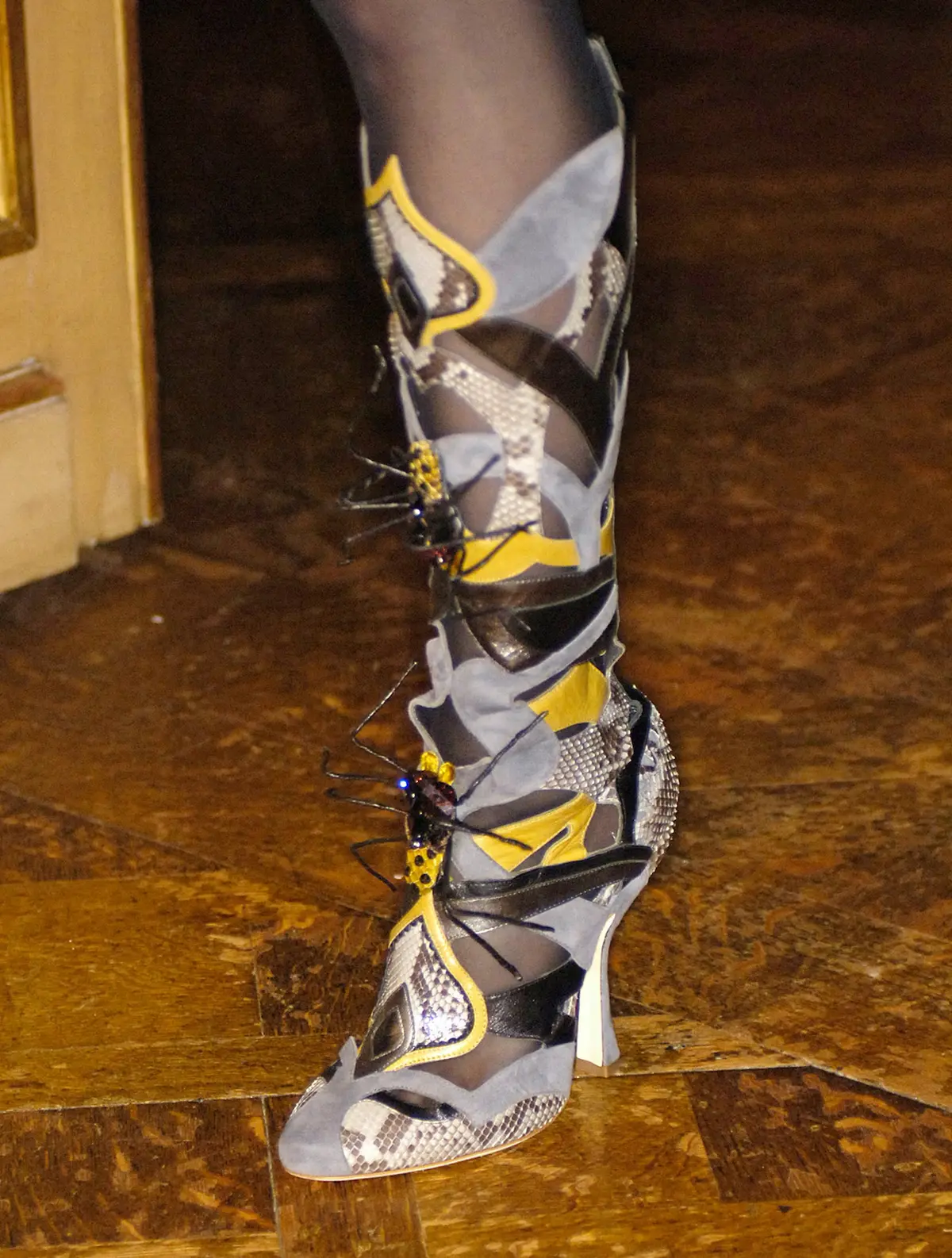
The boots are crafted in python leather and feature intricate cut-out detailing alongside a sculptural dragonfly motif. Rather than relying on a conventional statement silhouette, the design is defined by its unusual construction and unexpected details — exactly the kind of archival fashion piece that can completely shift the character of a look.
Sourced from Into Archive, the boots were selected in collaboration with Lisa’s stylist for the “Sawadika” music video, connecting a piece of Miu Miu’s runway history with one of pop music’s biggest contemporary names.
A rare piece from Miu Miu Spring/Summer 2008
First seen on the runway for Miu Miu Spring/Summer 2008, the boots represent an especially playful side of the house’s accessory history.
The python leather construction gives the silhouette an instantly luxurious quality, while the cut-outs and dragonfly detailing make the pair feel almost fantastical. It is a combination that makes the boots unmistakably archival: highly specific to their original era, yet strange enough to feel completely fresh when styled today.
Miu Miu’s archive has become increasingly influential among collectors, stylists, and fashion enthusiasts searching for pieces that sit outside the conventional vocabulary of vintage luxury. Designs from the late 2000s in particular have found new relevance as archival fashion continues to shape contemporary styling.
Lisa’s “Sawadika” look is another example of how those pieces can move from the runway into an entirely new cultural context.
From the runway to Lisa
One of the most exciting parts of archival fashion is seeing how a piece changes once it leaves its original runway context.
The Miu Miu dragonfly boots were designed for Spring/Summer 2008, but more than a decade later, they become part of Lisa’s visual identity for “Sawadika.” The contrast between their runway origins and their new setting is what makes the styling feel distinctly contemporary.
Working directly with Lisa’s stylist, Into Archive helped bring the rare Miu Miu pair into the project, continuing the archive’s relationship with stylists and fashion teams looking for pieces that cannot be found through contemporary collections alone.
For artists and stylists, archival fashion offers something increasingly valuable: individuality. A runway piece from nearly two decades ago can create a look that feels completely new simply because it has not been seen in the same way before.
The Miu Miu boots behind the look
The Miu Miu SS 2008 Runway Python Leather Cut-out Dragonfly Boots are now part of Into Archive’s collection of rare and collectible designer fashion.
Lisa wearing the pair in “Sawadika” is a reminder of why archival fashion continues to matter. The right vintage runway piece does not simply reference the past. It can become part of a completely new fashion story.
→ Rent the Miu Miu SS 2008 Runway Python Leather Cut-out Dragonfly Boots
About Into Archive
Into Archive is a New York-based destination for rare and collectible fashion, bringing together archival designer pieces from across decades and around the world. From runway originals to highly sought-after vintage, the collection connects fashion’s past with the stylists, artists, and collectors shaping its future.

What We’re Into: NYFW, Fashion’s New Power Players, and the Return of Quiet Prestige
What We’re Into: NYFW, Fashion’s New Power Players, and the Return of Quiet Prestige
From emerging designers and Saint Laurent speculation to archival fashion, resale education, and the shifting rules of cultural access, here’s what’s shaping the fashion conversation right now.
Fashion moves through cycles, but the way we discover, collect, and engage with it is constantly changing. As New York Fashion Week brings together established houses, emerging designers, and the industry’s cultural tastemakers, conversations around fashion's past and future are unfolding beyond the runway. From Julie Kegels’ recognition on the global stage to renewed interest in Saint Laurent archives, the latest developments point toward a fashion landscape where design, provenance, and access remain closely connected.
This week, we're looking at the designers redefining modern tailoring, the houses protecting their identities through anonymity, and the platforms teaching a new generation how to understand luxury beyond the storefront.
Julie Kegels and the New Language of Deconstruction
Emerging designers continue to reshape the relationship between tailoring, construction, and personal expression. Belgian designer Julie Kegels' reported 2026 LVMH Prize win places renewed attention on her multifaceted approach to design, drawing from 1990s-inspired silhouettes, deconstructed tailoring, and a playful approach to proportion.
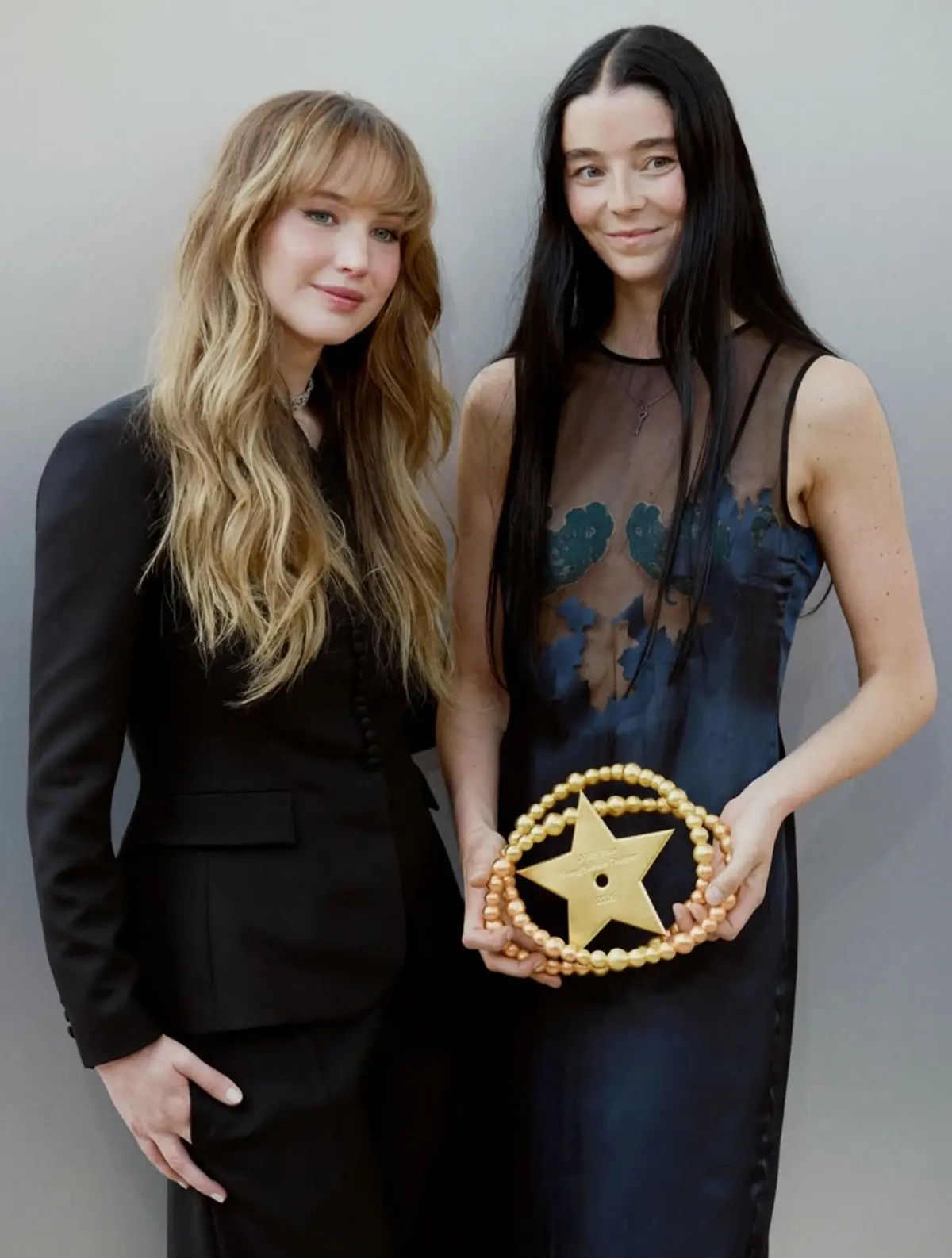
The significance of this design language lies in its ability to make familiar garments feel unsettled. Traditional tailoring becomes something that can be dissected, reconstructed, and worn in unexpected ways. It is a sensibility that resonates with the broader interest in archival fashion, where the value of a garment often extends beyond its original purpose into the ideas and techniques it represents.
For collectors, emerging designers such as Kegels offer an opportunity to observe fashion history as it develops. The same details that distinguish a runway collection today can become reference points for how future generations understand a particular moment in design.
Saint Laurent Archives and the Power of Speculation
Few fashion conversations demonstrate the relationship between creative direction and collecting quite like the ongoing speculation surrounding Anthony Vaccarello’s future at Saint Laurent. While industry rumors should be treated as unconfirmed until officially addressed, conversations about a potential transition have already brought renewed attention to the house’s recent design history.

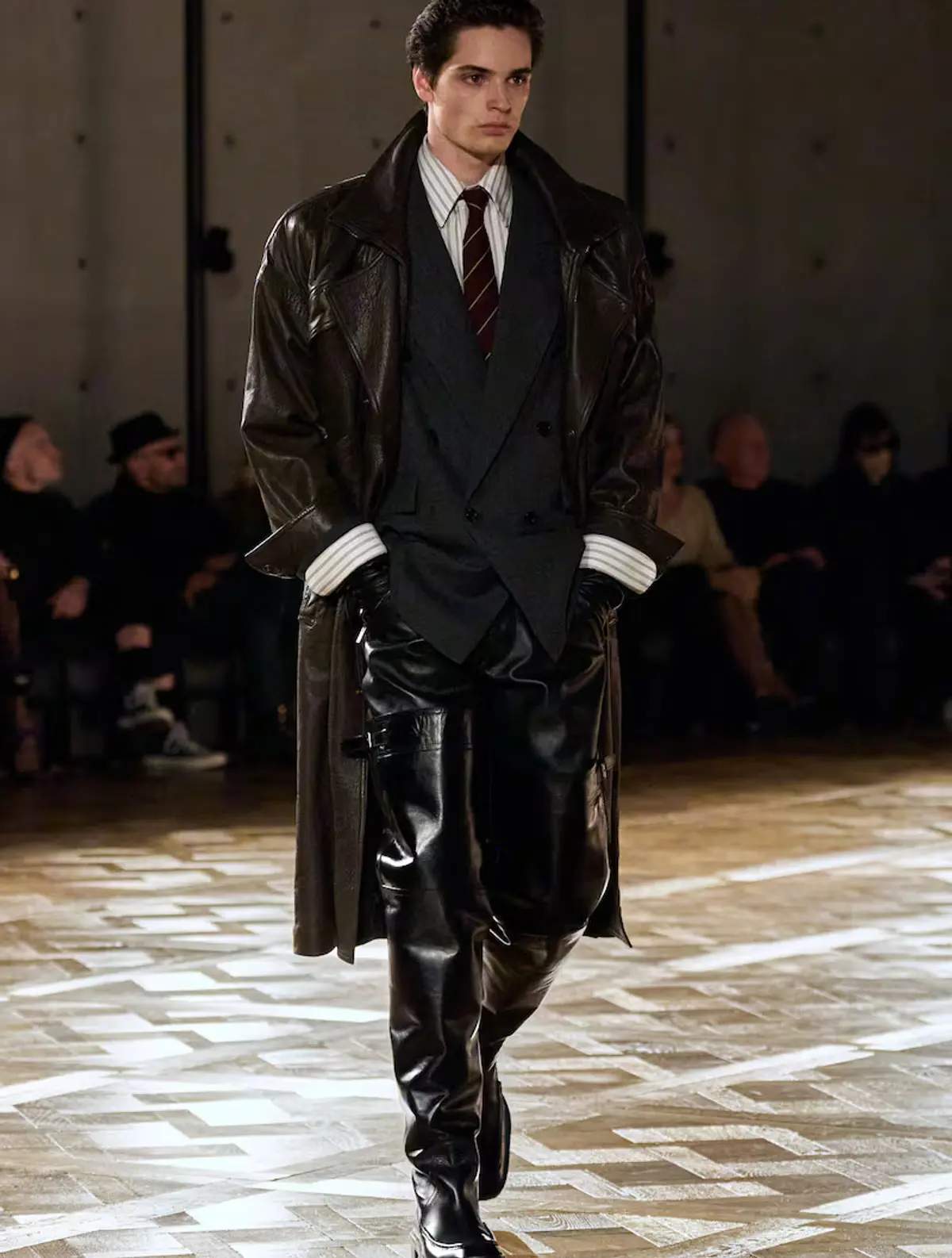
Since taking the creative reins at Saint Laurent, Vaccarello has developed a recognizable visual language built around sharp shoulders, sensual tailoring, and a confident approach to eveningwear. His work has helped define a contemporary chapter of the house, making its collections increasingly relevant to collectors interested in the evolution of modern luxury fashion.
The interest in his archives reflects a larger pattern in the resale market. Creative directors shape how fashion houses are remembered, and changes in leadership can prompt renewed interest in particular collections, silhouettes, and design signatures. For vintage and archival collectors, this makes the present moment worth documenting, regardless of how the rumors ultimately develop.
Maison Margiela, Anonymity, and Fashion as Identity
Maison Margiela has long challenged conventional ideas of authorship, celebrity, and visibility. Its reported visual project Anonymity, starring Rebecca Hall, revisits the house’s enduring fascination with hidden faces, masks, and the relationship between identity and clothing.
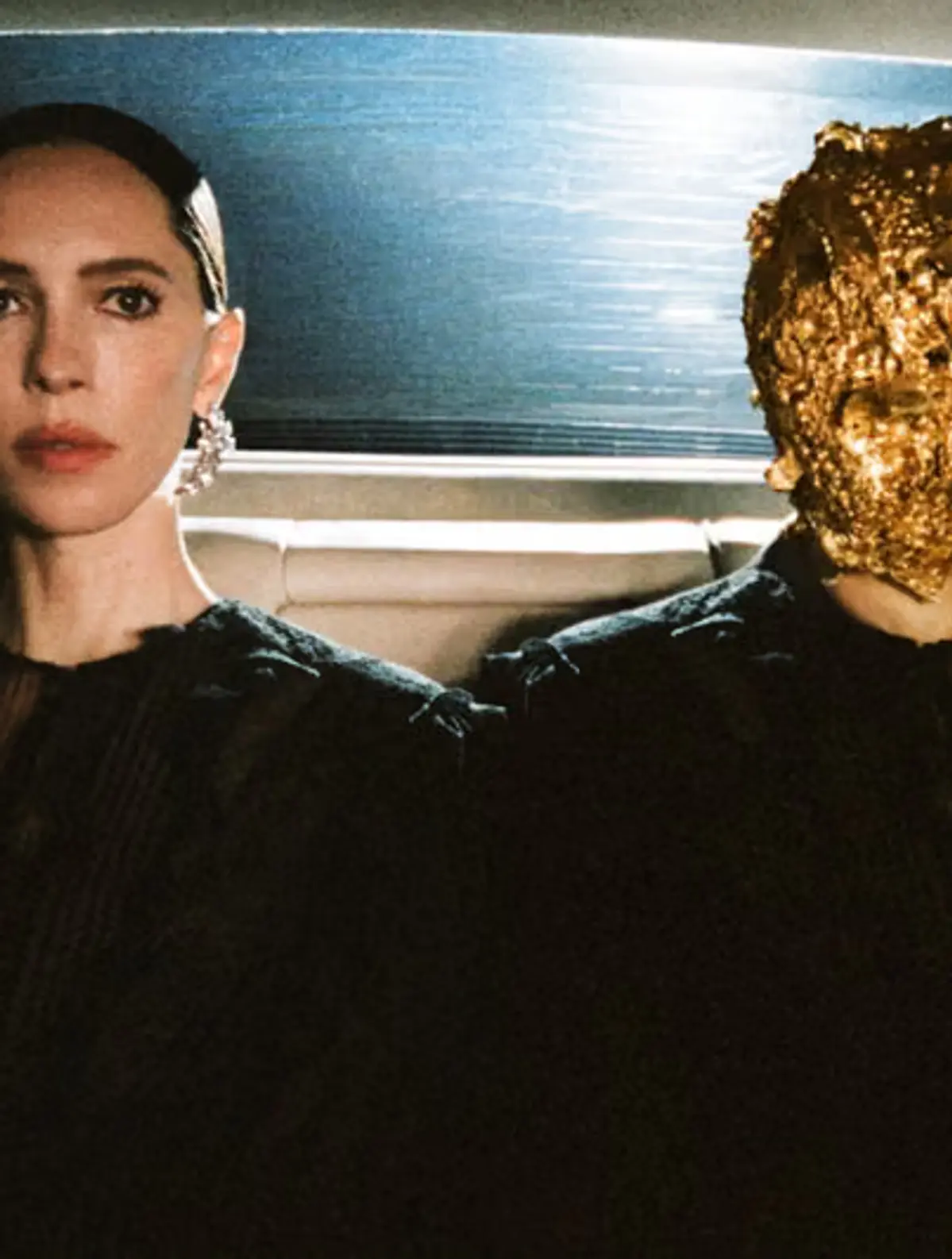
Anonymity is deeply embedded in Margiela’s fashion history. From obscured faces on the runway to garments that emphasize construction over recognizable branding, the house has consistently questioned the expectation that fashion must be centered on a visible designer or a conventional form of glamour.
The project offers another opportunity to consider why archival Margiela continues to hold cultural relevance. Its pieces are not simply recognizable for their aesthetic. They carry a record of experimentation, material transformation, and a design philosophy that has influenced generations of fashion practitioners.
For collectors, this is part of the appeal of archival fashion: garments can preserve ideas that remain relevant long after their original season.
Fashionphile’s Unboxed and the Education of Resale
The secondary luxury market is increasingly becoming a space for education as well as commerce. Fashionphile’s Unboxed initiative draws on the company’s extensive experience in luxury resale to explore authentication, fashion history, and the dynamics of the pre-owned market.

As more consumers enter the world of vintage and archival fashion, understanding a piece’s provenance, construction, and market context becomes increasingly important. Resale platforms have a role in shaping that understanding, particularly as buyers navigate the differences between collectible design, seasonal luxury, and enduring cultural significance.
The shift toward resale education also reflects how fashion knowledge is distributed today. Collectors are no longer relying exclusively on traditional retail or fashion publications to learn about a garment. They are engaging with archives, resale platforms, specialists, and communities that offer different perspectives on what makes a piece valuable.
At Into Archive, this intersection of fashion history and collecting is central to how we approach archival pieces. A garment’s story, design language, and place within fashion history can be just as compelling as its rarity.
Purple, Electric Teal, and the Return of High-Impact Color
Color forecasting continues to influence how fashion audiences approach upcoming seasons. According to the Trendalytics figures provided, purple recorded a 60% year-over-year increase in FW26 searches, while electric teal and brown each rose by 50%.
These color movements suggest an interest in styling that balances saturation with contrast. Purple and electric teal bring a more expressive, high-impact quality, while brown provides a grounded alternative that connects contemporary wardrobes with the enduring appeal of earthy tones.
For archival collectors, color offers another way to understand the relationship between past and present. Certain shades become associated with specific designers, decades, or fashion movements, and their return can make older pieces feel newly relevant.
The appeal of color in vintage fashion is also highly practical. A distinctive hue can transform a familiar silhouette, offering collectors a way to incorporate historical garments into a contemporary wardrobe without replicating an entire period look.
Hailey and Justin Bieber Bring Back Teen-Mag Nostalgia
WYouth Magazine’s reported inaugural cover featuring Hailey and Justin Bieber taps into the enduring appeal of 2000s teen-magazine culture. The combination of celebrity access, intimate editorial storytelling, and nostalgic visual language reflects a broader interest in the media formats that shaped fashion discovery for an earlier generation.

The 2000s continue to influence contemporary fashion through low-rise silhouettes, logo-driven accessories, paparazzi-inspired styling, and the return of celebrity-led fashion narratives. Nostalgia is no longer limited to clothing. It extends to the way fashion is photographed, discussed, and consumed.
For archival fashion, this relationship is particularly relevant. The garments and accessories associated with an era often carry the visual language of its media culture, from magazine editorials to red-carpet photography. Revisiting that context can reveal why certain pieces remain culturally recognizable decades later.
Who Gets Access to Fashion’s Most Exclusive Spaces?
The relationship between fashion, media, and access is changing. Following reported disruptions involving influencers at the US Open, Wimbledon’s decision not to offer special accreditation to content creators raises questions about how major institutions distinguish between traditional media, digital creators, and other forms of cultural participation.
Accreditation is not simply a logistical matter. It determines who can document an event, what perspectives receive visibility, and how fashion and sport are represented to the public. The debate around creator access reflects broader questions about the value of editorial expertise, established media institutions, and the role of social platforms in cultural reporting.
For luxury fashion, the conversation is particularly relevant. The industry has expanded its relationship with influencers and digital creators over the past decade, while continuing to maintain longstanding ties with fashion editors, photographers, and heritage publications.
The future of access will depend on how institutions balance these different forms of coverage. What remains clear is that the relationship between exclusivity and visibility continues to shape the way cultural events are experienced.
So, What Does This Mean for Fashion?
Across these developments, a common thread emerges: fashion’s relationship with history is becoming increasingly visible. Emerging designers are reworking familiar construction techniques, creative-director speculation is drawing attention to recent archives, and resale platforms are expanding conversations around authentication and collecting.
At the same time, color trends and nostalgic media formats demonstrate how past aesthetics continue to influence contemporary consumption. The conversation is not simply about what is new, but how existing references are reinterpreted, preserved, and given new meaning.
For archival fashion collectors, this creates an opportunity to look beyond seasonal trends. The pieces that matter most are often those that connect design history with the way fashion is experienced today, whether through a distinctive silhouette, a creative director’s signature, or a garment’s place within a larger cultural moment.
At Into Archive, we’re interested in those connections: the garments, designers, and stories that continue to shape how we understand fashion.
→ Book a private showroom appointment
About Into Archive
Into Archive is a New York-based archival fashion showroom specializing in rare and collectible designer pieces from fashion’s most influential eras. Our collection features vintage and archival garments from designers including Dior, Prada, Chanel, Jean Paul Gaultier, Vivienne Westwood, and more.
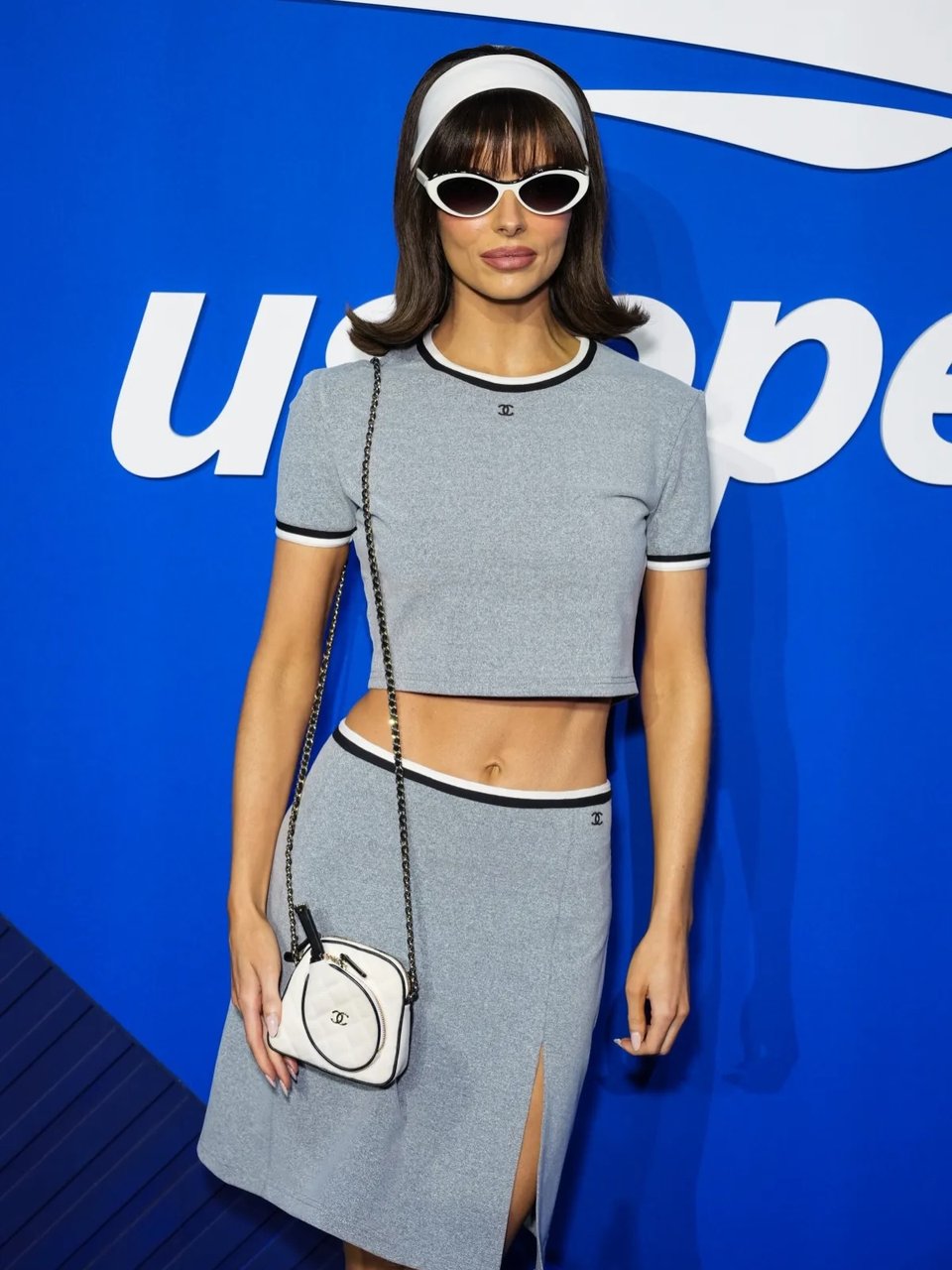
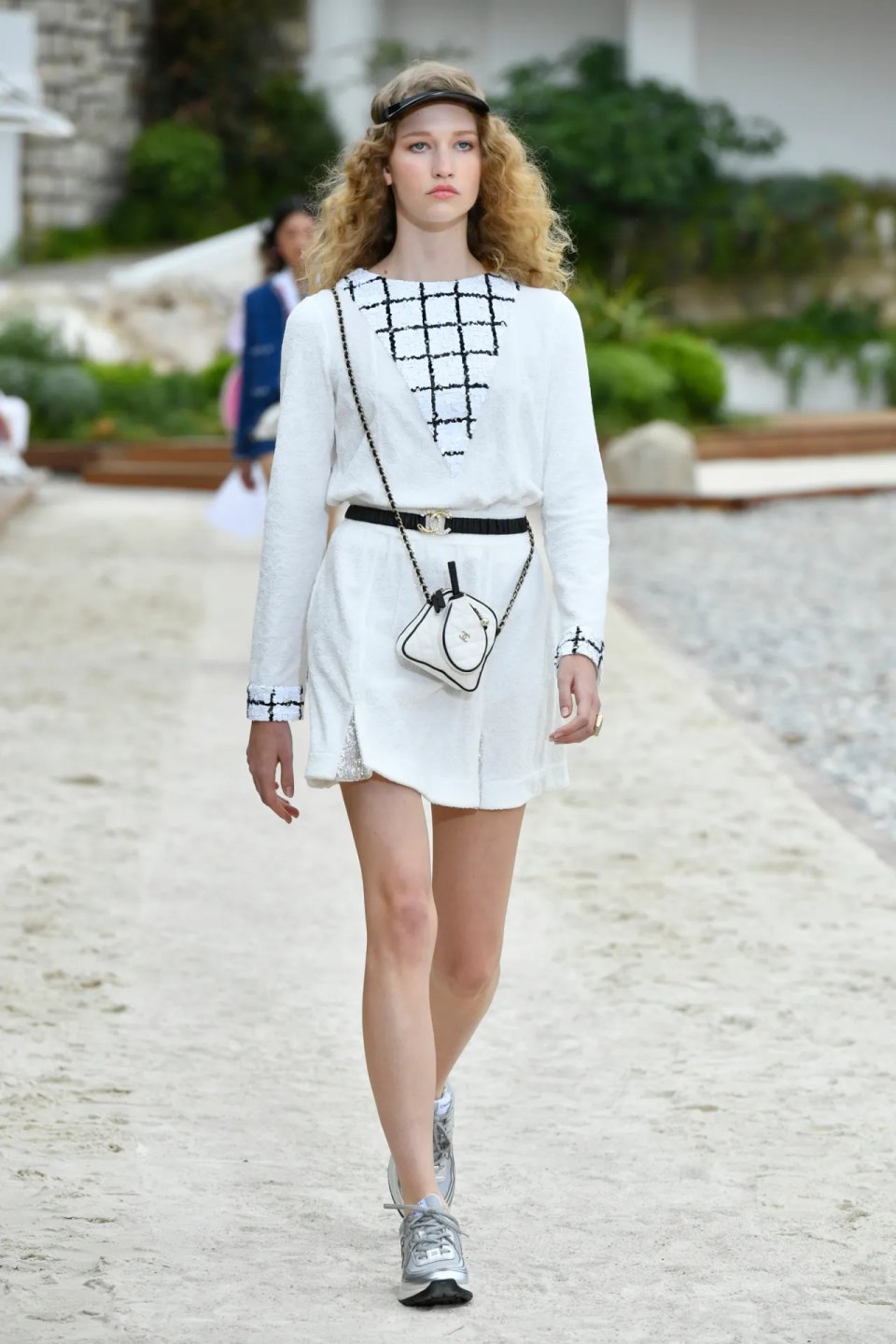

The Rare Chanel Tennis Bag Maura Higgins Wore to the US Open
Maura Higgins brought a little archival fashion to the 2026 US Open, stepping out in vintage Chanel and a rare Chanel Cruise 2023 tennis-inspired bag rented from Into Archive.
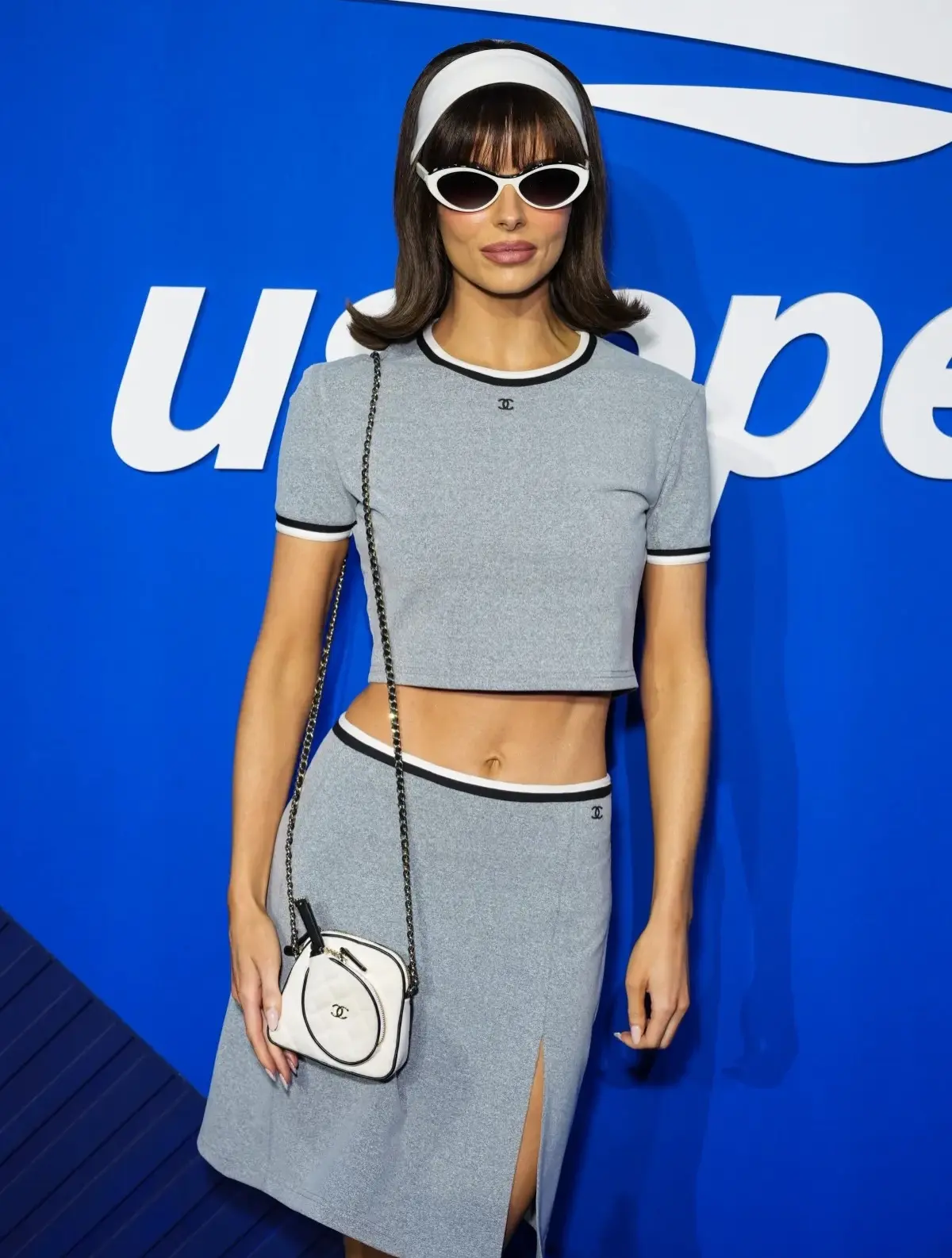
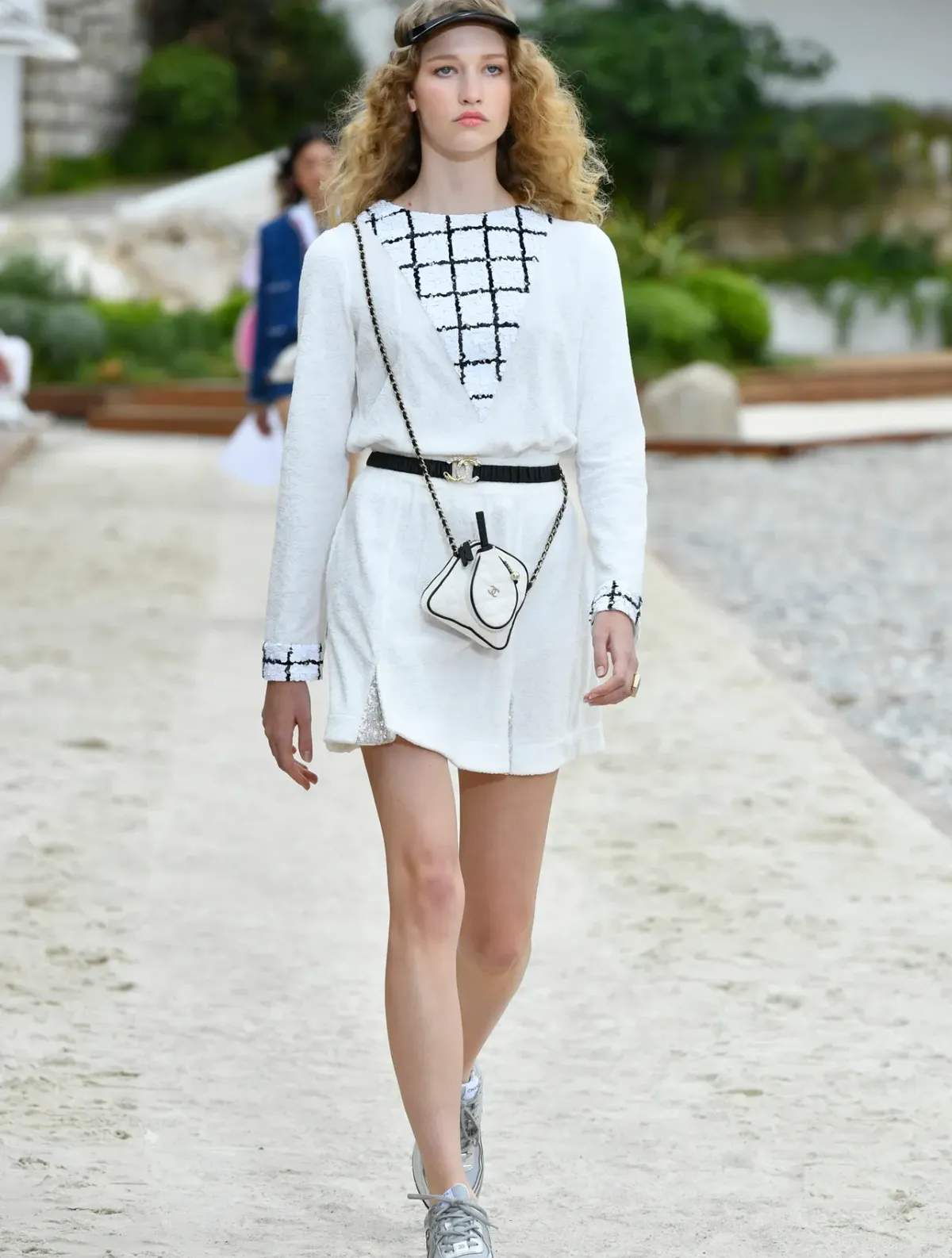
If there was ever a moment for a tennis racket-shaped Chanel bag, it was the US Open. On August 31, Maura Higgins arrived at the 2026 tournament in New York wearing a vintage Chanel look that leaned fully into the sport’s fashion language, complete with a tiny Chanel bag featuring a tennis racket-shaped front pocket. The result was less courtside spectator and more fashion girl who happened to have tickets.
The piece in question is the Chanel Cruise 2023 Limited Edition Tennis Racket White Mini Denim Bag, which Maura rented from Into Archive for her US Open appearance. Made in white denim with Chanel’s instantly recognizable quilted construction, the miniature bag takes one of the most familiar symbols of tennis and turns it into a collectible fashion accessory. It is playful, slightly surreal and unmistakably Chanel.
Chanel has always understood the tennis wardrobe
Tennis and fashion have been intertwined for much longer than the current tenniscore moment would suggest. From the crisp whites of early 20th-century tennis to the polished sportswear of the 1960s and 1970s, the court has consistently produced its own visual language. Tennis clothing eventually moved far beyond the sport itself, influencing everything from preppy dressing to luxury ready-to-wear.
Chanel has always been particularly good at blurring that line between sport and luxury. Gabrielle Chanel famously incorporated athletic influences into her designs, bringing jersey, relaxed silhouettes and ideas of movement into a fashion world that had traditionally favored restriction and formality. The house's fascination with leisure, travel and sport continued long after her tenure, eventually becoming part of the broader Chanel vocabulary.
That history makes the Cruise 2023 tennis bag feel less like a novelty and more like a continuation of the house's obsession with turning everyday objects into fashion. The racket becomes a handbag. The tennis court becomes a backdrop. A practical piece of sporting equipment becomes something you would rather photograph than actually play with.
The tennis racket becomes the It bag
The Chanel Cruise 2023 Limited Edition Tennis Racket White Mini Denim Bag takes that idea almost literally. Designed around the shape and visual language of a tennis racket, the miniature accessory combines white denim, Chanel's signature detailing and a tiny tennis-inspired silhouette.
It is also exactly the kind of piece that works particularly well at the US Open. New York has always approached tennis differently from the more traditional atmosphere surrounding Wimbledon. The US Open feels louder, faster and more connected to the city's wider culture, making it a natural meeting point for sport, celebrity and fashion.
Maura's styling plays into that perfectly. She wore a vintage Chanel co-ord consisting of a grey short-sleeve top and matching knee-length skirt, finished with black and white trims. White cat-eye sunglasses, a thick white headband and black peep-toe shoes pushed the look further into retro tennis territory, while the racket-shaped Chanel bag supplied the final detail.
Rather than simply wearing tennis-inspired clothing, the entire look understands the reference. It is part vintage Chanel, part tennis uniform and part New York fashion moment.
From tenniscore to the real thing
The timing is particularly good. Tenniscore has been circulating through fashion for several seasons, fueled by the sport's preppy uniforms, country-club imagery and increasingly visible place in celebrity style. But Maura's look demonstrates a more interesting way to approach the trend: instead of recreating a tennis aesthetic from scratch, she wears an actual piece of fashion history designed around the sport.
There is something more compelling about that distinction. Trends can be copied almost instantly, but archival fashion carries context with it. The Chanel Cruise 2023 tennis bag already had its own point of view before it arrived at the US Open. Maura simply gave it the right setting.
It is also a continuation of her recent relationship with tennis-inspired archival fashion. Earlier this summer, Maura made an appearance at Wimbledon in vintage Chanel, pairing a 2006 Chanel archive dress with tennis-inspired accessories. For the US Open, the reference shifted from Wimbledon tradition to something more playful and distinctly New York.
Why this Chanel bag feels right for 2026
The appeal of archival fashion right now is partly about rediscovering pieces that feel strangely relevant years, or even decades, after they were made. The best archive does not necessarily look old. It looks right.
That is exactly what happens with Maura's Chanel tennis bag. A Cruise 2023 accessory arrives at the 2026 US Open and suddenly feels like the obvious choice. The bag's tennis reference, Chanel provenance and tiny proportions make it instantly recognizable, while its rarity gives the look something beyond the standard celebrity courtside uniform.
For Into Archive, that kind of fashion moment is the point. We are interested in pieces that can move between the archive and the present, whether they are being pulled for an editorial, worn on a red carpet or taken to the stands at the US Open.
Maura Higgins serves archival Chanel
As the 2026 US Open continues in New York, tennis is once again proving that its influence extends far beyond the court. The tournament has become a major destination for celebrity dressing, and this year's courtside looks are giving fashion another reason to pay attention.
Maura Higgins' Chanel moment works because it does not take the tennis reference too seriously. A tiny racket-shaped bag is inherently playful, but paired with vintage Chanel and worn at one of the world's biggest tennis tournaments, it becomes something more: a perfect collision of sport, fashion and archive.
Sometimes the best way to understand a trend is to find the original idea hiding underneath it. In this case, it happens to be a Chanel tennis racket you can carry.
→ Book a private showroom appointment
Into Archive is a New York-based archival fashion showroom specializing in rare and collectible designer pieces, with a curated collection spanning Chanel, Dior, Prada, Jean Paul Gaultier, Vivienne Westwood and more. From editorial pulls and celebrity styling to private clients and collectors, our showroom brings archival fashion into the present.

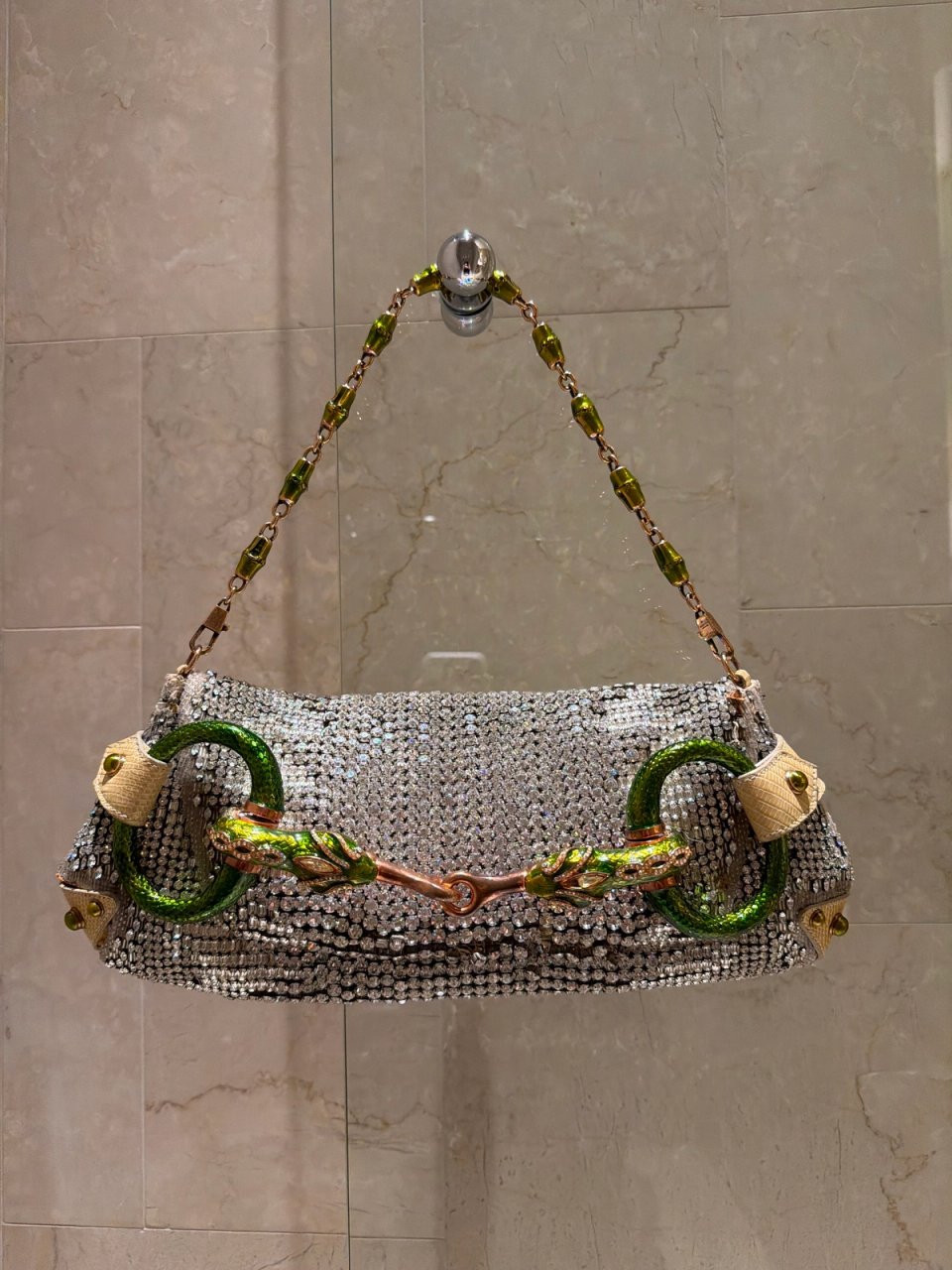

Who Killed Tom Ford Gucci?
Twenty years after Tom Ford left Gucci, the Horsebit bags he made famous are still going viral. So, did his Gucci ever really die?
Who killed Tom Ford Gucci? It is a question that feels increasingly difficult to answer. Tom Ford left Gucci in 2004, but the fashion house's most provocative era continues to resurface through the archive. Every few years, the same silhouettes return to runways, vintage markets and celebrity wardrobes, reminding us why Tom Ford's Gucci remains one of the most influential chapters in modern fashion history.
At Into Archive, we have seen the obsession firsthand. Tom Ford-era Gucci bags have repeatedly gone viral across social media, particularly the highly recognizable Horsebit styles that defined the house's early-2000s aesthetic. Now, two more rare examples have arrived: a Gucci by Tom Ford 2000s Black Lizard Leather GG Rhinestone Horsebit Bag and a Gucci by Tom Ford 2004 Limited Edition Crystal Serpent Head Horsebit Bag. Both capture the excess, glamour and unmistakable attitude that made vintage Gucci by Tom Ford so collectible today.
The History of the Gucci Horsebit
The Horsebit is one of Gucci's most recognizable house codes, but its history predates Tom Ford by decades. Originally inspired by equestrian hardware, the motif became a defining part of Gucci's identity before Ford transformed it into something much more provocative.
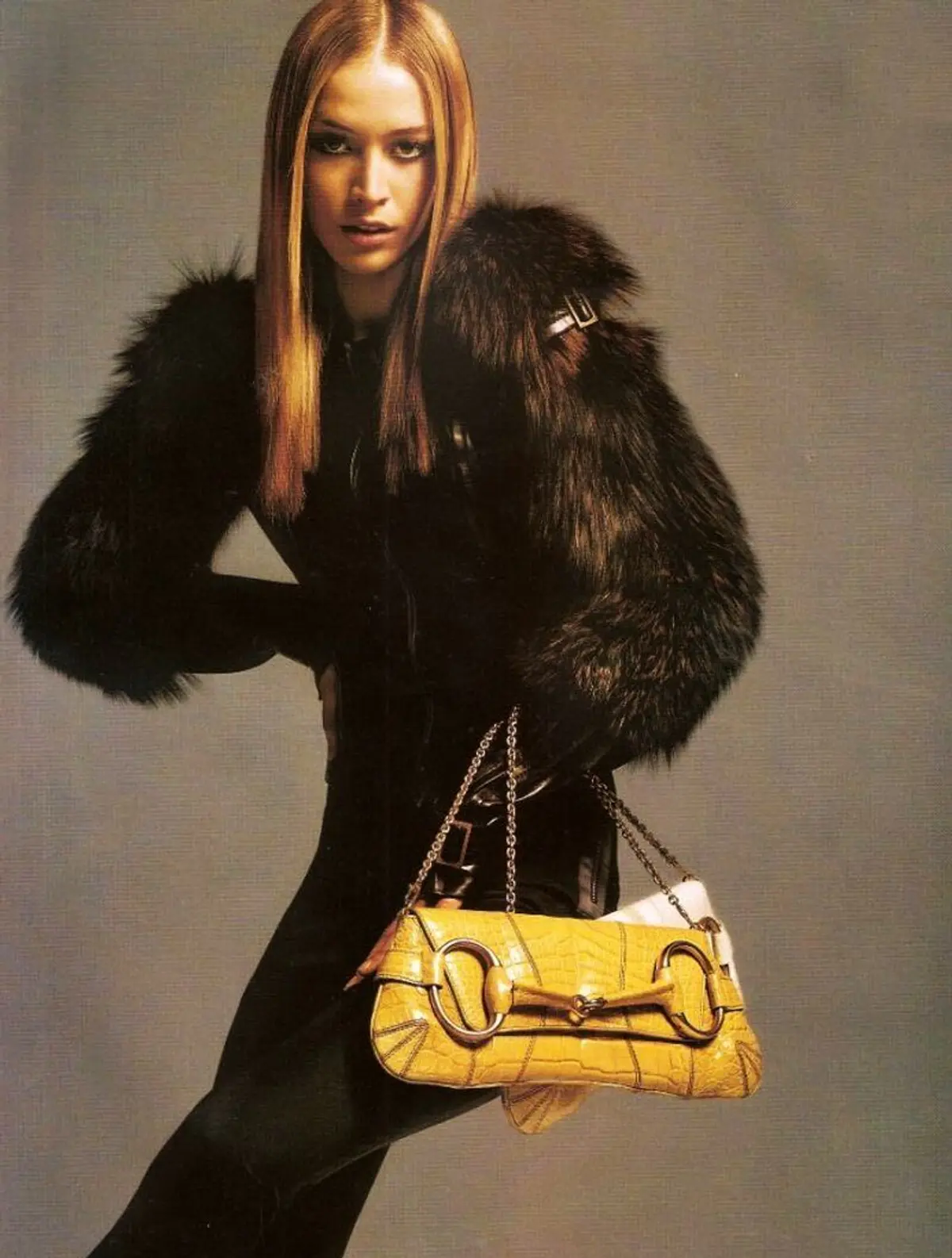
During Ford's tenure at Gucci, traditional house signatures were exaggerated rather than treated delicately. The Horsebit became larger, more sculptural and more glamorous, appearing across ready-to-wear, accessories and handbags. Instead of functioning as a subtle heritage detail, it became the centerpiece.
That approach was everywhere in Tom Ford's early-2000s Gucci collections. His Fall 2003 runway was filled with sharp tailoring, leather, corsetry, revealing silhouettes and polished eveningwear, creating the seductive, maximalist image that would become synonymous with his Gucci era. The accessories followed the same formula, with the Horsebit bag emerging as one of the collection's most recognizable pieces.
The original Gucci Horsebit clutch appeared across the Fall 2003 and Spring 2004 collections, with its elongated silhouette and oversized hardware offering a distinctly Tom Ford interpretation of the house's equestrian heritage. Two decades later, the design would return to the runway and send a new generation searching for the vintage originals.
Tom Ford Gucci and the Return of the 2000s
The renewed interest in Tom Ford Gucci is part of a much larger fashion obsession with the early 2000s. Styles once considered overly glamorous or excessive are increasingly being reexamined as some of the most exciting pieces in the vintage and archival fashion market.
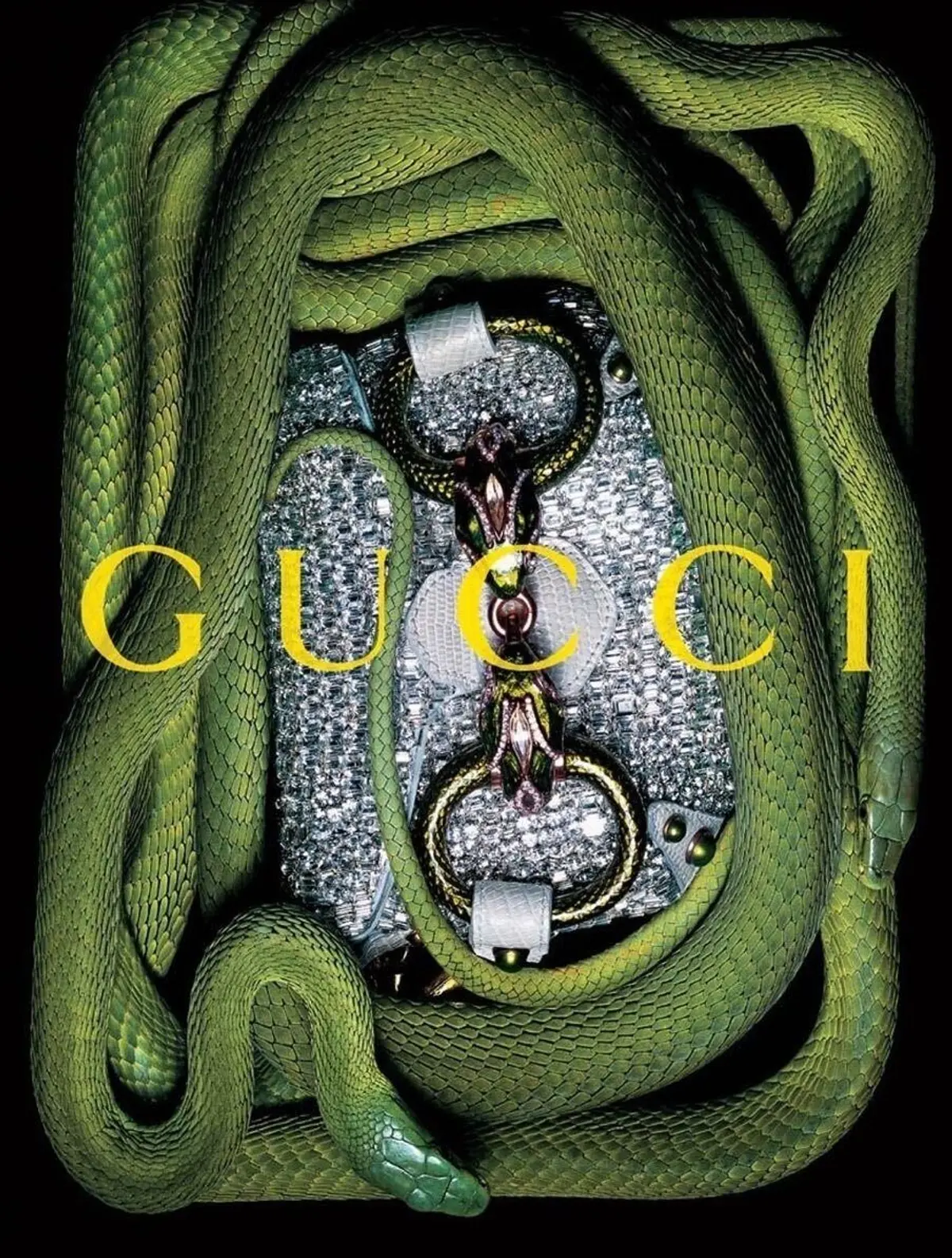
Gucci itself returned to the Horsebit for Fall 2023, revisiting the iconic silhouette more than twenty years after its original appearance. The runway revival brought renewed attention to vintage Gucci Horsebit bags, particularly the original Tom Ford-era designs that inspired the collection.
The timing says a lot about how fashion understands its own archive. A reissue can recreate a silhouette, but an original carries something else: the materials, proportions and cultural context of the period that produced it.
That is what makes vintage Gucci bags from the Tom Ford era so compelling. They are not simply references to the early 2000s. They are the actual objects that defined it.
The Black Lizard Gucci Horsebit Bag
Our Gucci by Tom Ford 2000s Black Lizard Leather GG Rhinestone Horsebit Bag is a particularly maximalist example of the designer's approach to Gucci accessories. Crafted in black lizard leather and finished with the house's GG motif, the bag is centered around an embellished Horsebit detail covered in rhinestones.
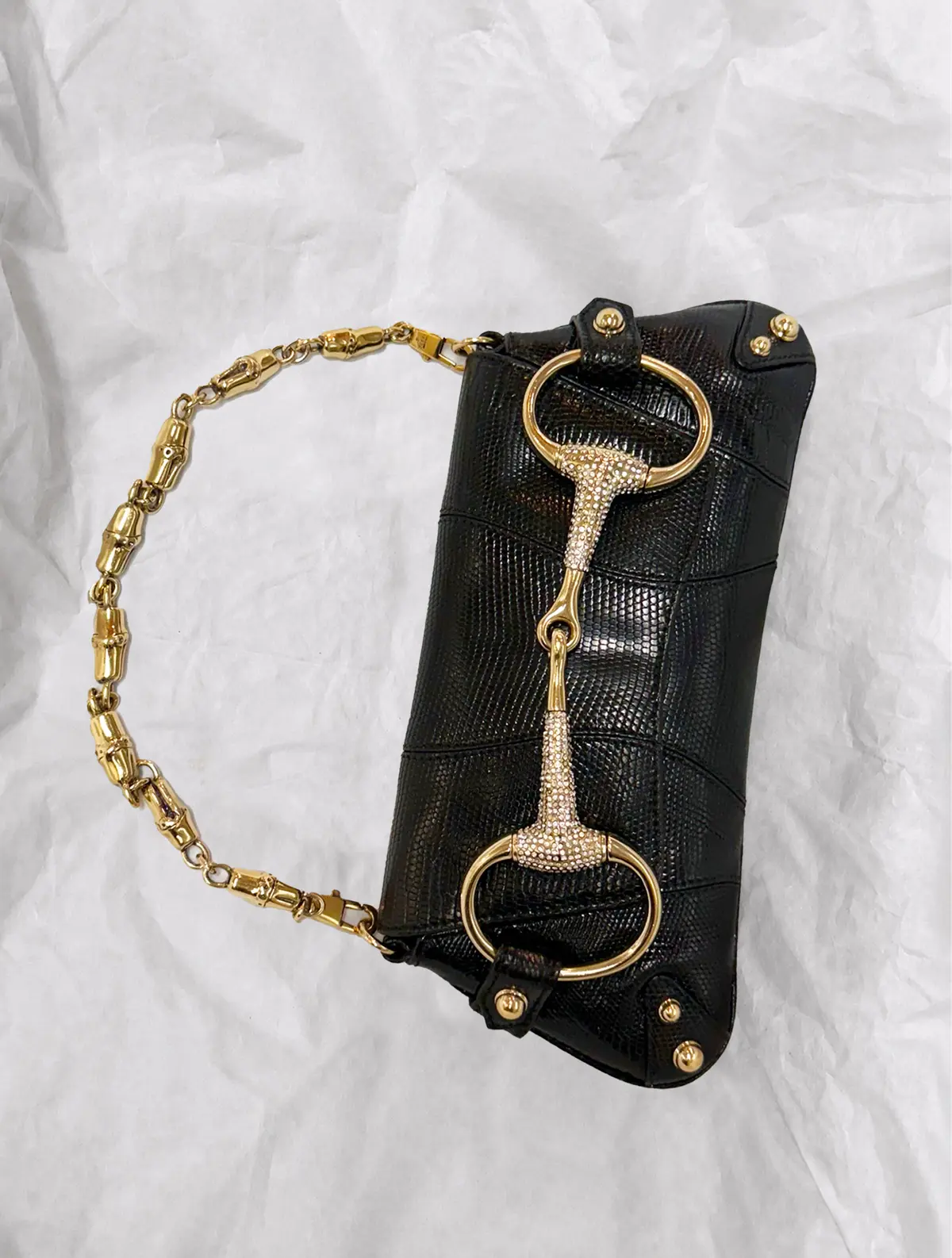
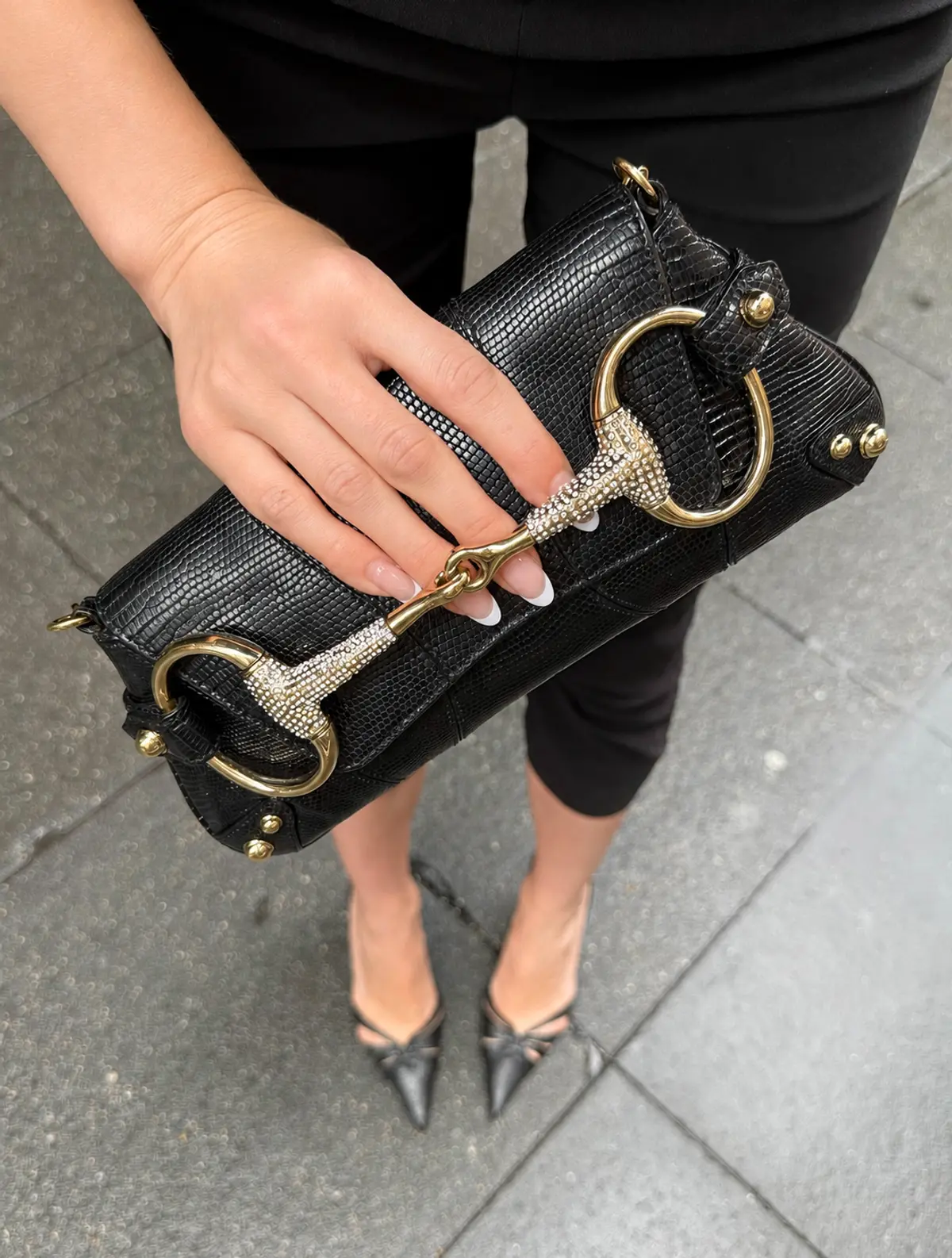
It is difficult to imagine a more concentrated version of the Tom Ford Gucci aesthetic. Exotic leather, recognizable monogramming and oversized embellishment come together in a handbag that refuses to be background decoration.
The Horsebit itself almost becomes jewelry. Rather than simply identifying the bag as Gucci, it dominates the design and gives the silhouette its unmistakable character. This is exactly what Ford did so well throughout his tenure: take an established Gucci code and push it until it became something new.
For collectors interested in archival Gucci, pieces like this are especially significant because they represent a very specific moment in the house's history. They belong to the period when Tom Ford had transformed Gucci into one of fashion's most sexually charged and commercially powerful brands.
The 2004 Crystal Serpent Head Horsebit Bag
Then there is the Gucci by Tom Ford 2004 Limited Edition Crystal Serpent Head Horsebit Bag, an even more extravagant interpretation of the same idea.
The limited-edition design replaces the expected Horsebit treatment with a crystal-covered serpent head, turning the bag's hardware into a sculptural focal point. It is strange, glamorous and unapologetically excessive, which is precisely why it feels so representative of late Tom Ford Gucci.
The 2004 date is significant. This bag belongs to the final chapter of Ford's tenure at Gucci, the same year that his Fall 2004 collection became his farewell to the house. That final runway brought together many of the signatures that had defined his Gucci: dramatic eveningwear, sensual silhouettes, luxurious materials and an almost theatrical approach to glamour.
The serpent bag feels like an accessory from that same world. If the Horsebit represented Gucci's equestrian heritage, Ford's version was interested in turning that heritage into fantasy.
Why Tom Ford Gucci Still Matters
It would be easy to dismiss the current interest in Tom Ford Gucci as another cycle of Y2K nostalgia. But the continued demand for original pieces suggests something more substantial is happening.
The early 2000s are increasingly being treated as an important period in fashion history, particularly for accessories. Designers, stylists and collectors are looking beyond contemporary releases and returning to the original bags, shoes and jewelry that shaped the visual language of the era.
Tom Ford's Gucci is particularly relevant because it existed at the intersection of fashion, celebrity culture and overt luxury. His designs were made to be seen. They were glamorous without apology and recognizable without needing an explanation.
That quality feels especially appealing now.
After years of minimalism and quiet luxury dominating the conversation around handbags, a rhinestone Horsebit or crystal serpent head feels almost radical. These bags are not trying to disappear into a wardrobe. They are designed to become the most memorable part of it.
The Original Horsebit vs. the Revival
Gucci's return to the Horsebit in 2023 only reinforced the appeal of the originals. The contemporary versions introduced the silhouette to a new audience, while vintage collectors began looking more closely at the Tom Ford-era bags that started it all.
There is an important difference between wearing an archival Gucci Horsebit bag and wearing a modern interpretation of one. The newer design can reference the past, but the vintage version is the past.
Its proportions, materials and construction belong to the moment when Ford was redefining Gucci. Its wear can tell you that it has actually lived through the years since. And its rarity means that no two pieces necessarily feel exactly the same.
For an archival fashion collector, that history is part of the value.
So, Who Killed Tom Ford Gucci?
Maybe nobody did.
Tom Ford's time at Gucci ended in 2004, but his influence continues to appear everywhere from contemporary runways to vintage stores and celebrity wardrobes. The Horsebit has been revived, referenced and reinterpreted, yet the original Tom Ford Gucci bags continue to attract the most attention.
Perhaps that is because the archive has something contemporary fashion cannot manufacture: context.
The Gucci Horsebit bag was created during a period when fashion was comfortable with excess, glamour and a certain amount of bad taste. The rhinestones, exotic leather and crystal serpent details were never meant to be understated. They were meant to be looked at.
And twenty years later, people are still looking.
That may be the real reason Tom Ford Gucci keeps going viral. The bags never stopped being good. Fashion just had to catch up with them again.
→ Shop the Gucci by Tom Ford 2000s Black Lizard Leather GG Rhinestone Horsebit Bag
→ Rent the Gucci by Tom Ford 2004 Limited Edition Crystal Serpent Head Horsebit Bag
→ Explore our archival Gucci collection
→ Book a private showroom appointment
About Into Archive
Into Archive is a New York-based archival fashion showroom specializing in rare and collectible designer pieces. Our collection spans iconic fashion houses and designers across decades, connecting collectors, stylists, celebrities and fashion enthusiasts with pieces that continue to shape fashion history.
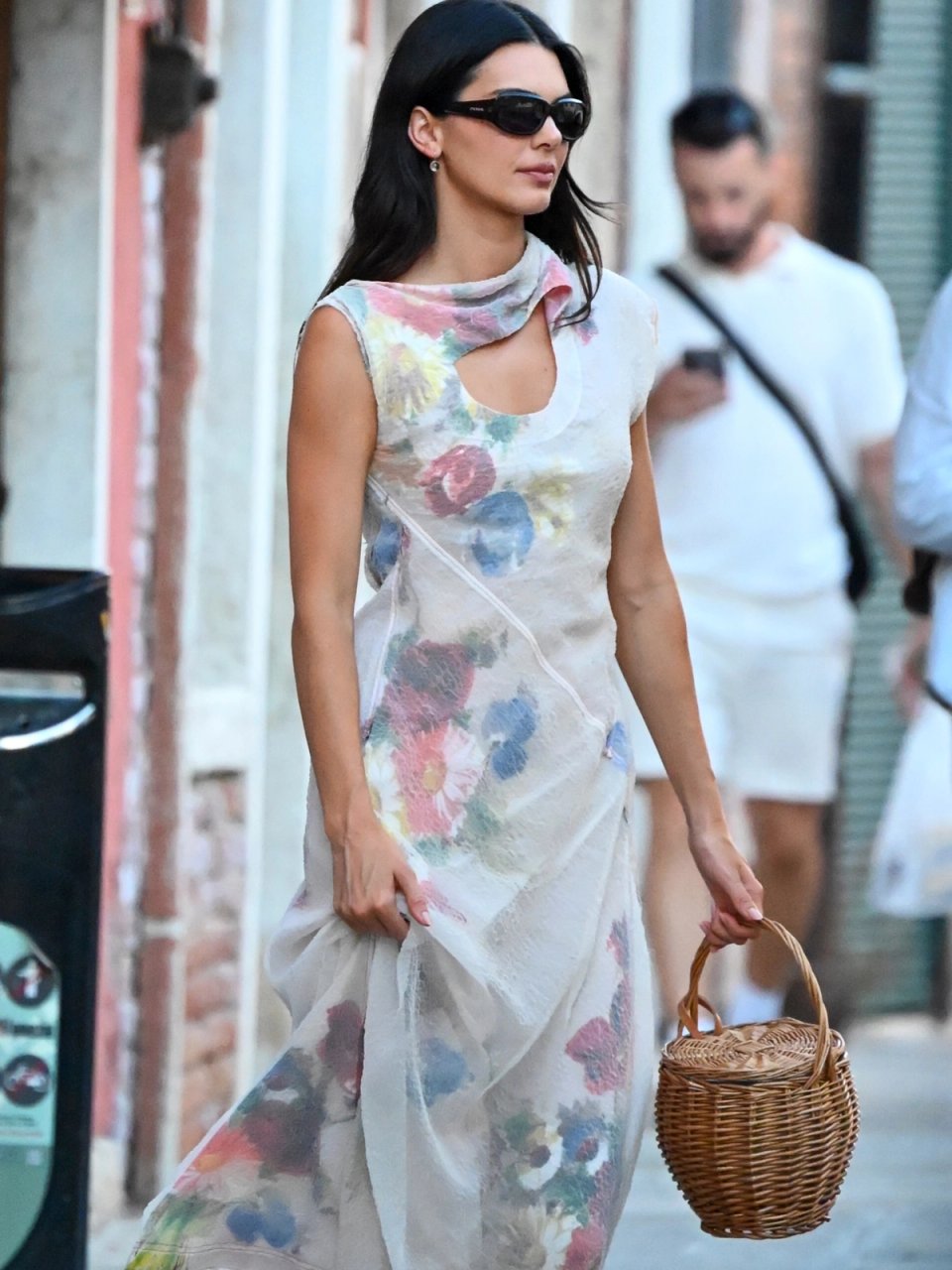
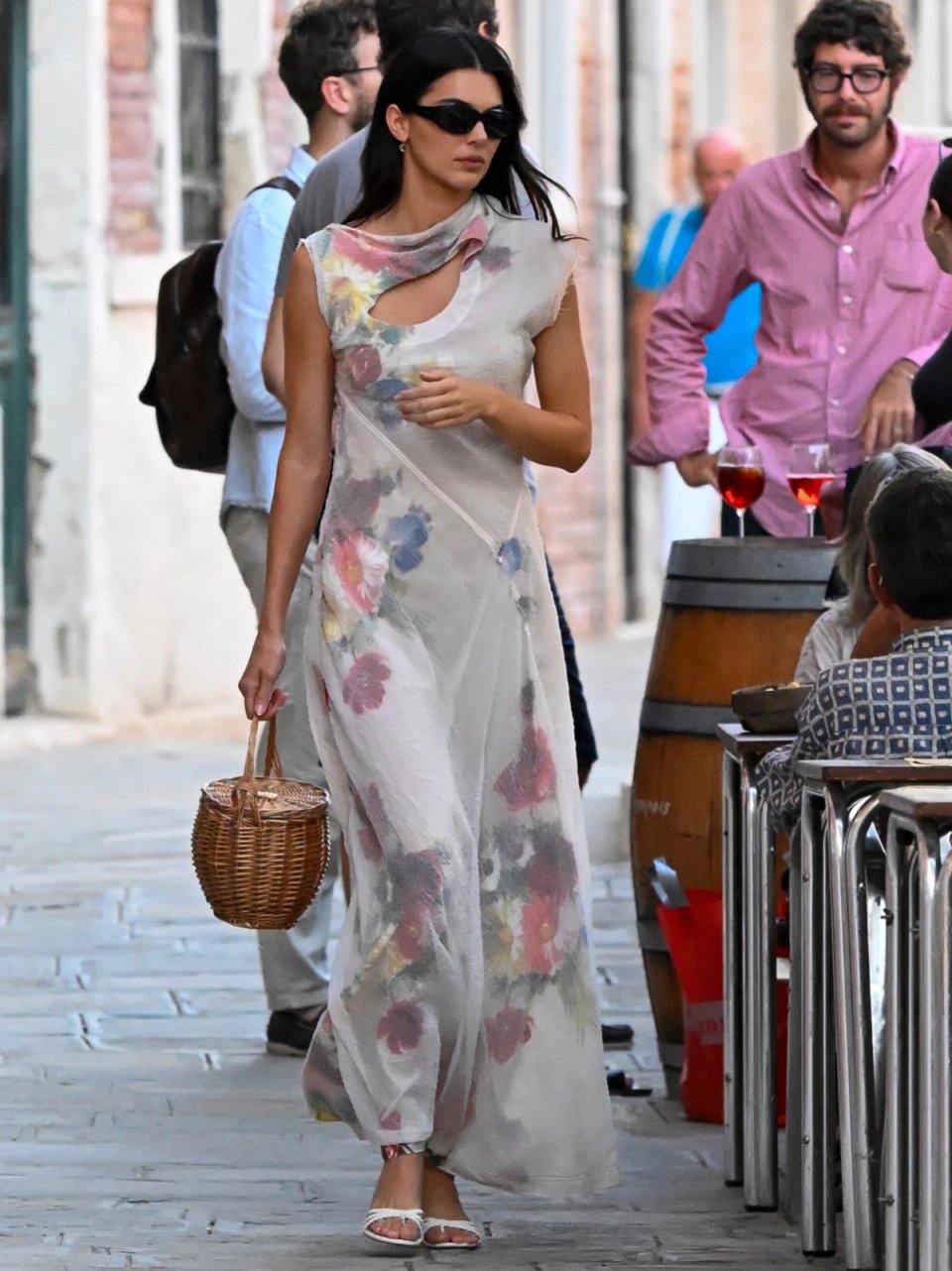
Kendall Jenner Wears a Celine Prototype in Venice
Kendall Jenner brought a piece of Phoebe Philo-era Celine to Venice, wearing a rare Celine by Phoebe Philo Resort 2017 multicolor floral sheer dress for her appearance during the Venice Film Festival.The piece, a prototype from the Resort 2017 collection, was rented by Kendall through Into Archive, giving one of the most sought-after chapters of Celine’s recent history a new life nearly a decade after it was created.
The floor-length dress combines a multicolor floral print with sheer fabric and a fluid silhouette, capturing the understated sensuality that made Phoebe Philo’s Celine so influential. On Kendall, the look feels distinctly current. Rather than treating the dress as a piece of fashion history to be preserved behind glass, she wears it as it was always meant to be worn: as clothing.
For Into Archive, that is what makes archival fashion so exciting. The most compelling pieces in an archive are not necessarily the ones that stay untouched. They are the ones that can move between eras, finding new wearers and new moments while retaining the history that makes them special.
The Celine Prototype
Created during Phoebe Philo’s tenure at Celine, the dress is a prototype from the house’s Resort 2017 collection. Unlike a standard vintage garment that entered production and eventually made its way into the secondary market, a prototype exists closer to the original design process, offering a glimpse into the development of a collection before it reached the wider fashion world.
Philo’s Celine has become particularly significant within archival fashion. Her approach centered on proportion, texture, movement, color, and the relationship between a garment and the woman wearing it, creating pieces that felt modern without depending on obvious branding or short-lived trends. That design philosophy is still immediately recognizable in this floral sheer dress.
Nearly ten years after its original Resort 2017 season, the prototype feels surprisingly at home in 2026. Its transparency, fluid shape, and vivid floral pattern give the dress a sense of movement that works naturally against the backdrop of Venice, while its connection to Philo’s Celine makes it instantly recognizable to those who understand the importance of the era.
From the Into Archive Showroom to Venice
Kendall’s look began not on a red carpet, but in the Into Archive showroom. She rented the Celine prototype from our collection for her time in Venice, bringing a piece that had been preserved within the archive into one of fashion’s most photographed settings.
This is one of the reasons rental has become such an important part of the archival fashion conversation. Access to rare fashion does not always have to mean permanent ownership. A prototype, runway piece, or collectible garment can have a new life through the people who wear it, allowing these pieces to participate in contemporary culture rather than simply exist as objects of preservation.
For a piece like this Celine prototype, that journey feels especially fitting. Designed during one of the most influential periods in modern Celine history, preserved as a rare prototype, and now worn by Kendall Jenner in Venice, the dress has crossed from the design studio to the archive and back into the fashion landscape.
Why Phoebe Philo-Era Celine Still Matters
There is a reason Phoebe Philo’s Celine continues to command so much attention from collectors, stylists, and fashion enthusiasts. Her designs created a visual language that was instantly recognizable without relying on logos or overt statements. The clothes were intelligent but wearable, minimal but never plain, and often became more interesting with time.
That quality has made Philo-era Celine a particularly important part of the contemporary archival fashion market. Pieces from her tenure are increasingly sought after not simply because they are older, but because they represent a specific moment in fashion history that continues to influence designers and the way people dress today.
The Resort 2017 prototype embodies that longevity. Nearly a decade later, it does not need to be heavily restyled or reinterpreted to feel relevant. The design already has the qualities that make archival fashion so appealing: a strong silhouette, distinctive details, a recognizable point of view, and enough versatility to exist beyond its original season.
When a Prototype Gets a Second Life
There is something uniquely compelling about a prototype finding its way into the world again. These pieces can represent an otherwise unseen part of the fashion process, existing before a collection becomes commercially available and sometimes remaining as one of very few examples of a particular design.
That rarity is only part of their appeal. Prototypes preserve possibility. They show what a designer was exploring before an idea became finalized, photographed, sold, and eventually categorized as “vintage.” They are artifacts of fashion in progress.
Kendall Jenner wearing this Celine prototype in Venice adds another chapter to that history. What began as a design created during Phoebe Philo’s Celine era has now become part of a new fashion moment, worn almost ten years later by one of today’s most recognizable fashion figures.
The Archive, Worn Again
The best archival fashion does not feel trapped in the past. It evolves. A garment can belong to one designer, one collection, and one particular moment in fashion history while still feeling completely right on someone today.
Kendall’s Venice appearance is a perfect example. A Celine Resort 2017 prototype that once existed as part of the design process is now part of a contemporary fashion image, demonstrating exactly why rare pieces deserve to be worn, circulated, and experienced rather than simply stored away.
At Into Archive, we believe the archive becomes more meaningful when these pieces continue to have a life. Kendall Jenner’s Celine moment in Venice is not just a look back at Phoebe Philo’s Celine. It is a reminder that great fashion can move forward without leaving its history behind.
→ Book a private showroom appointment
About Into Archive
Into Archive is a New York-based archival fashion showroom specializing in rare and collectible designer pieces from fashion’s most influential eras. Our collection features vintage and archival garments from designers including Dior, Prada, Chanel, Jean Paul Gaultier, Vivienne Westwood, and more.
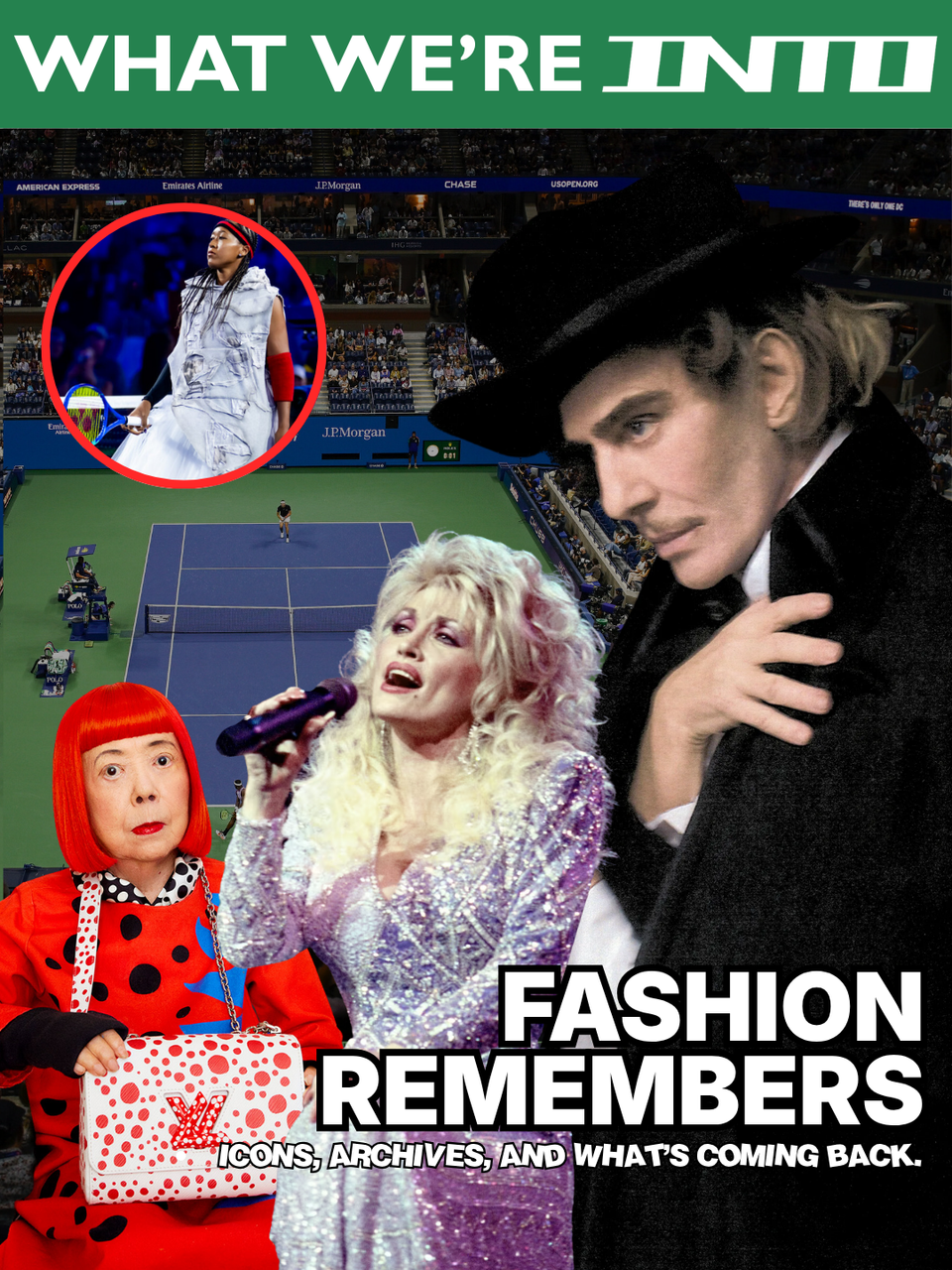
What We’re Into: From Galliano to Kusama, the Icons Shaping Fashion Now
What We’re Into: From Galliano to Kusama, the Icons Shaping Fashion Now
Fashion is always looking backward while insisting it’s moving forward. This season, that tension feels especially obvious. From the return of Y2K technology to the renewed obsession with archival silhouettes, fashion’s biggest conversations are being shaped by the people, images, and ideas that have already left a mark.
At Into Archive, that’s exactly where we like to look: at the moments that become references, the designers who become mythology, and the pieces that continue to feel relevant decades after they first appeared.
The Met Gala Fallout
John Galliano has always been a designer who understood fashion as spectacle. His work transformed historical references, fantasy, theatricality, and craftsmanship into collections that felt closer to performance than clothing. So when the Metropolitan Museum of Art announced that its planned 2027 Costume Institute exhibition, John Galliano: Horizons, would no longer proceed, the decision landed as more than a scheduling change.
The cancellation followed renewed controversy surrounding Galliano’s past, reopening one of fashion’s most complicated questions: what happens when the work is undeniably influential but the person behind it remains deeply controversial?
Galliano’s legacy is particularly difficult to separate from fashion history because his influence is everywhere. His work at Dior and Maison Margiela helped define entire visual languages, from exaggerated historical silhouettes to deconstruction, surrealism, and theatrical styling. For an archival fashion community, that makes the conversation impossible to ignore. An archive isn't simply a collection of clothes — it is a record of the ideas, tensions, and cultural shifts that produced them.
Remembering Dolly Parton
Dolly Parton understood the power of an image long before social media turned personal style into a global industry.
With her passing at 80, fashion has been looking back at an aesthetic that was unmistakably Dolly: rhinestones, sequins, feathers, fringe, corsetry, exaggerated silhouettes, sky-high hair, and unapologetic glamour. She never subscribed to the idea that femininity had to be subtle to be sophisticated. If anything, she made excess feel like a form of authenticity.
Her influence reaches far beyond country music. Dolly’s image has become a visual shorthand for Southern glamour, maximalism, performance, and self-invention — ideas that continue to cycle through fashion today.
There is something inherently archival about that kind of style. The pieces that survive culturally are rarely the quiet ones. They are the clothes that tell you exactly who wore them, where they were going, and why they wanted to be seen.
Yayoi Kusama’s Infinite Influence
Yayoi Kusama leaves behind one of the most recognizable visual languages in contemporary art: polka dots, pumpkins, infinity rooms, mirrored spaces, and obsessive repetition. Her influence on fashion has been just as lasting.
Her collaborations with Louis Vuitton helped push the relationship between fashion and contemporary art into a new visual territory. The partnership first emerged in 2012 under Marc Jacobs, transforming Kusama’s signature dots into handbags, clothing, accessories, and immersive retail installations. More than a decade later, the collaboration returned in 2023, proving that the visual language still had enormous cultural power.
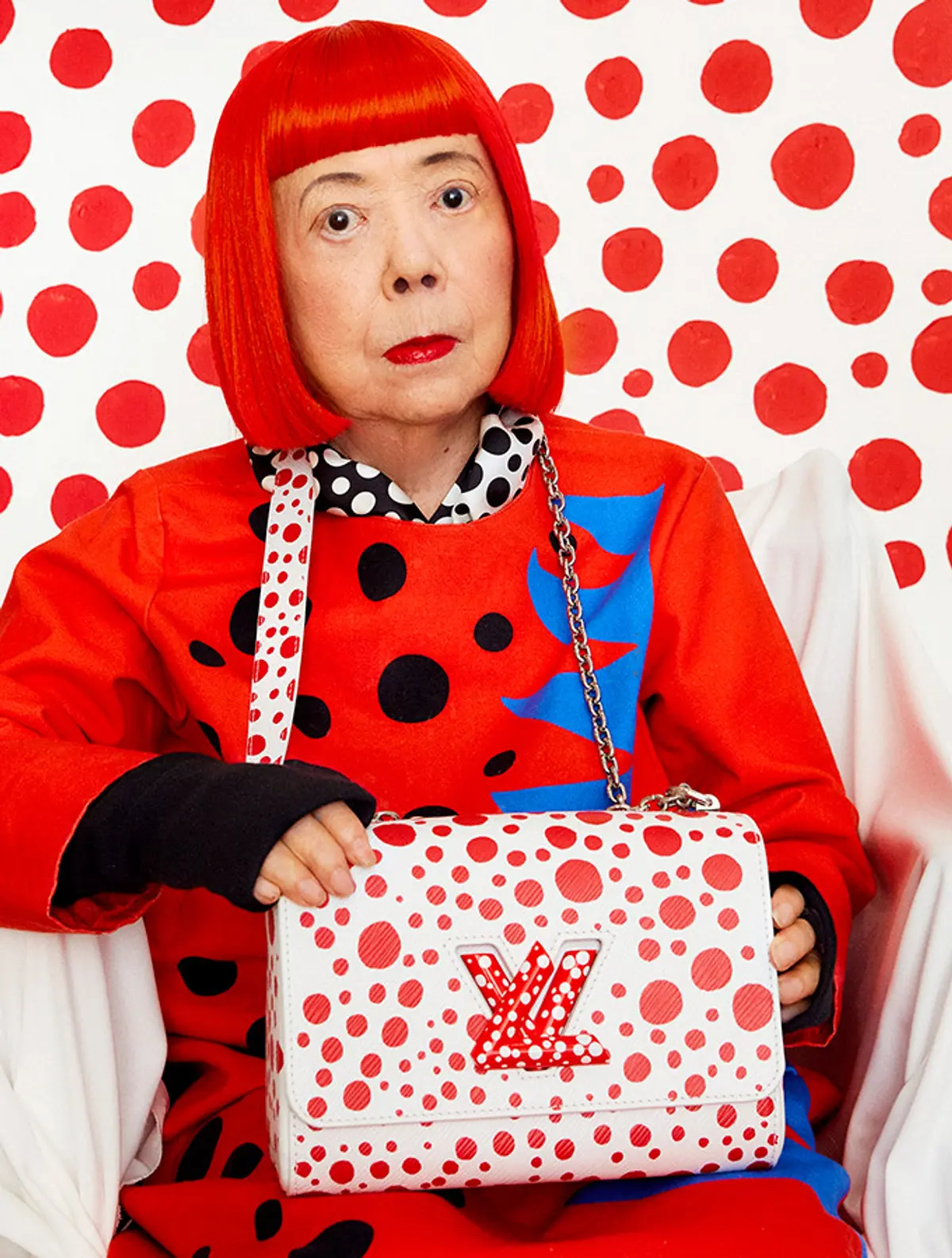
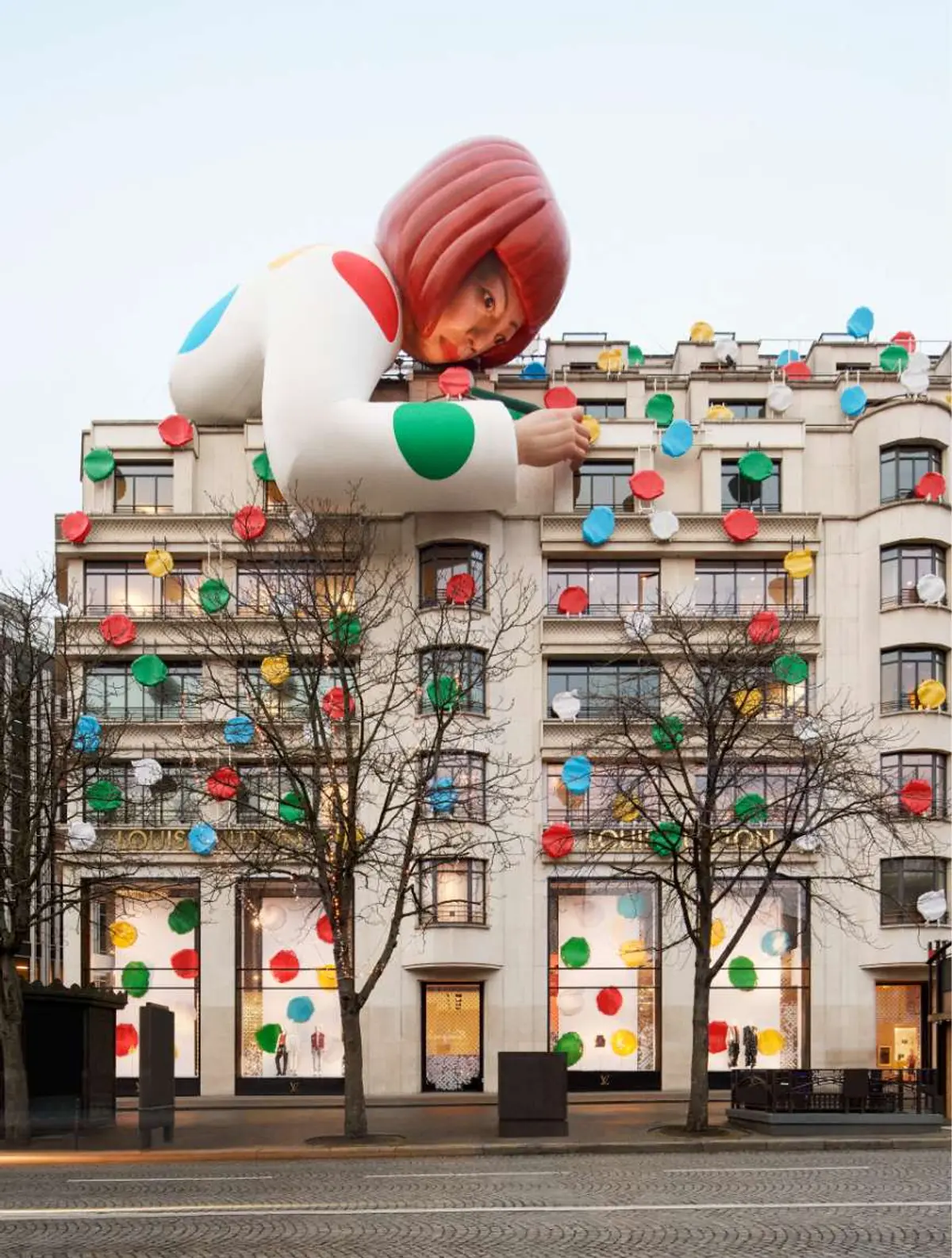
Louis Vuitton's relationship with Kusama was never simply about putting a print on a bag. Stores became installations. Handbags became canvases. Fashion became part of the artwork itself.
With Kusama’s passing at 97, those collaborations take on another layer of significance. They are now part of a larger record of how one artist changed the way fashion could interact with art, commerce, and popular culture.
For an archive, that kind of history matters. The most collectible pieces are often the ones that represent a moment bigger than the garment itself.
New York, Tennis & the US Open
Every September, New York becomes a particularly interesting fashion city.
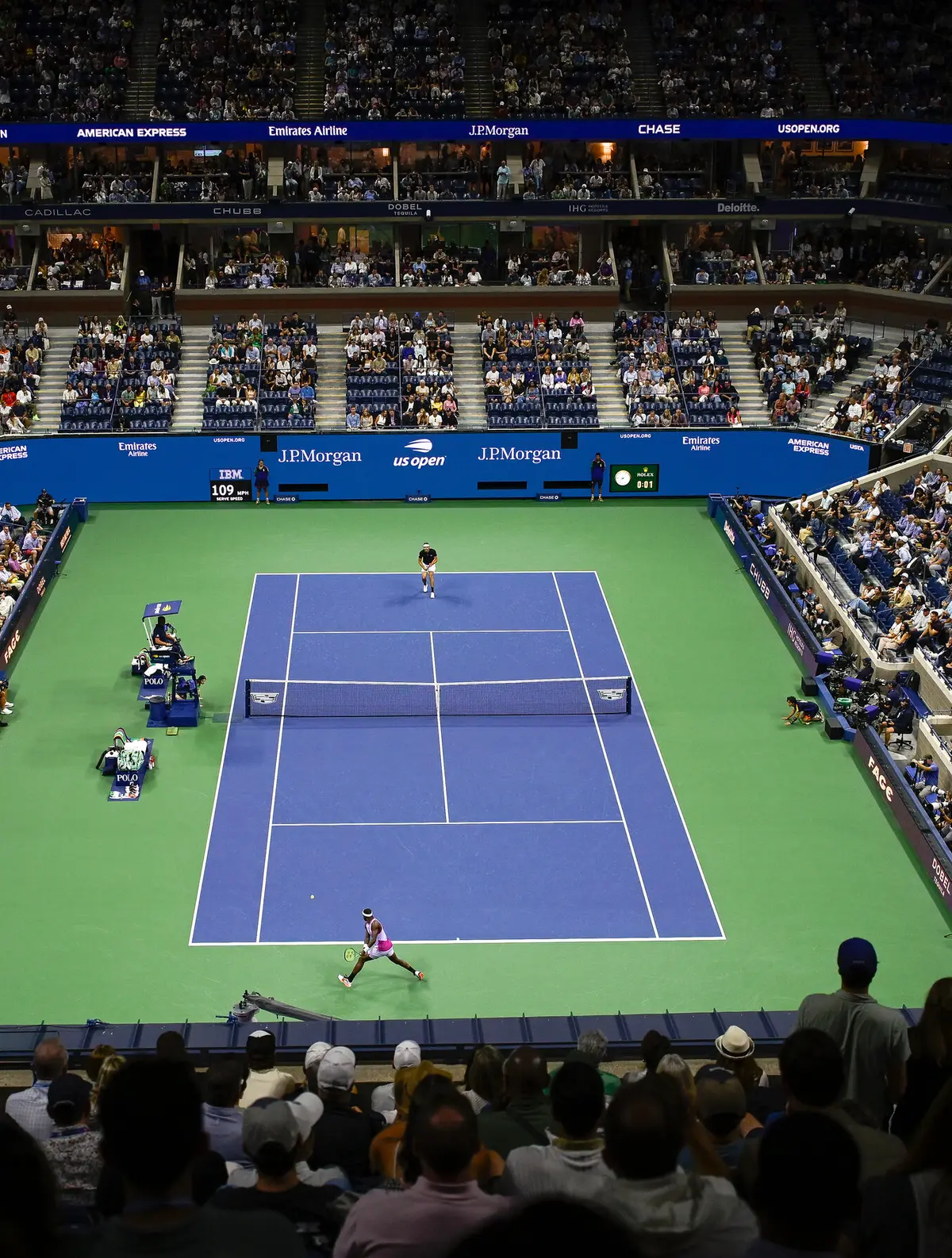
The US Open brings athletes, celebrities, designers, editors, and brands into the same orbit, turning Flushing Meadows into more than a sporting destination. The tournament has increasingly become its own style ecosystem — one where athletic uniforms, tunnel looks, custom fashion, and celebrity dressing collide.
Tennis has always had a complicated relationship with fashion. The sport's traditional codes — pleats, polos, clean whites, tailored silhouettes — have become a reference point that designers continually reinterpret. In New York, those references feel less restrained. The result is a mix of performance, nostalgia, streetwear, and high fashion that feels distinctly current.
And then there was Naomi Osaka.
Naomi Osaka Pays Tribute to Allen Iverson
Naomi Osaka's US Open look was one of those moments where fashion history, sport, and personal influence collided.
For her appearance, Osaka paid tribute to Allen Iverson, drawing from the basketball legend's unmistakable style language. Styled by Law Roach, she appeared in a dramatic custom Who Decides War gown featuring newspaper imagery, layered tulle, and a silhouette that felt part couture, part sports mythology.
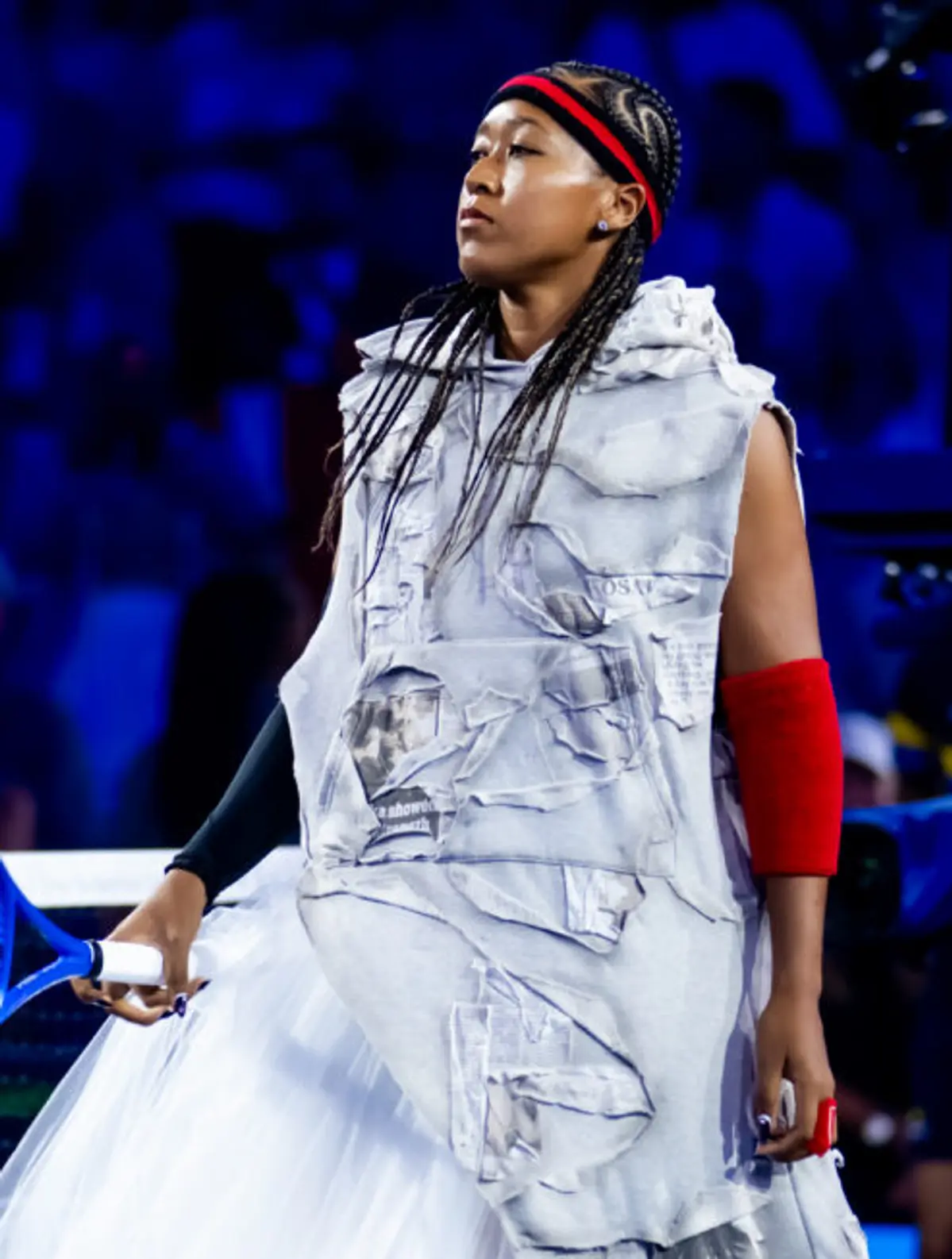
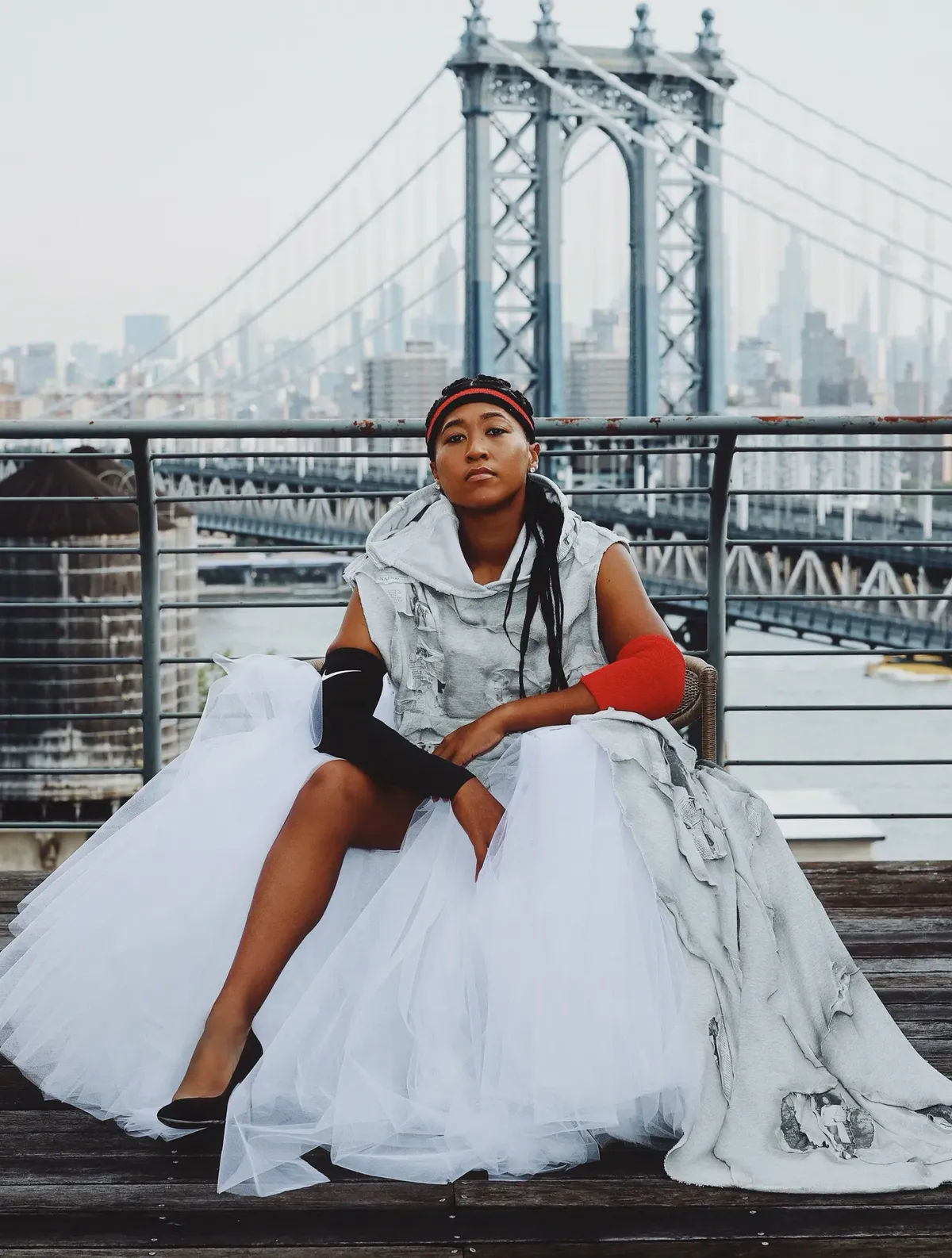
The look also incorporated references to Iverson's signature styling — from cornrows and a headband to the attitude associated with his early-2000s basketball image.
It was a fitting tribute because Iverson was never simply an athlete. He fundamentally changed the relationship between basketball and fashion. Cornrows, oversized clothing, arm sleeves, jewelry, and streetwear moved from the court into mainstream culture, eventually influencing the luxury fashion industry itself.
The look also carried an interesting archival connection. Its silhouette referenced an earlier Who Decides War design from Fall 2020, created by the brand's founders under Virgil Abloh's mentorship. Suddenly, one US Open appearance connected multiple generations of fashion: Iverson's influence on streetwear, Virgil's influence on a new generation of designers, and Osaka's ability to turn sports dressing into a cultural statement.
That's the kind of fashion moment we are always watching.
Fall 2026 Is Looking Black and Red
If the runway and consumer data are any indication, Fall 2026 is leaning into drama.
Black and red are dominating color conversations, while sunglasses, minimalism, lace, and tailored trousers continue to gain attention. On paper, these trends might seem contradictory — minimalism on one side, dramatic color and romantic lace on the other — but together they point toward something more interesting.
Fashion is becoming more intentional.
The current mood isn't necessarily about buying more. It's about finding pieces with a strong point of view. A sharply tailored trouser, an exaggerated pair of sunglasses, a lace detail, or a perfectly cut black jacket can completely define a look without needing much else.
And that's where archival fashion fits naturally into the conversation. The best vintage pieces don't need to follow a trend because they already have one. They carry a silhouette, fabrication, or design language that can be pulled into the present without losing the history that made it interesting in the first place.
The MP3 Player Is Back
Apparently, we weren't done with the 2000s.
Justin Bieber's SKYLRK recently teased a Y2K-inspired MP3 player complete with wired earbuds and colorful headphones, tapping into the same nostalgia that has brought back digital cameras, flip phones, iPods, and other pieces of early-internet culture.
The appeal isn't really about technology. It's about the feeling attached to it.
Before smartphones became the device through which we photographed, communicated, listened, shopped, and navigated our entire lives, technology was much more fragmented. You had a camera. You had an MP3 player. You had headphones. You had a phone. Each object had its own personality.
Fashion understands that nostalgia extremely well. Once an object becomes obsolete, it can eventually become desirable again — not because it is technologically superior, but because it represents a specific moment in time.
The return of the MP3 player is another reminder that Y2K isn't going anywhere. We're not just wearing the era again. We're rebuilding its entire visual world.
So, What Are We Into?
We're into fashion that remembers.
We're into Galliano's complicated place in fashion history, Dolly Parton's unapologetic glamour, Yayoi Kusama's infinite visual language, and Louis Vuitton's ability to turn a collaboration into an entire cultural universe.
We're into New York in September, when tennis becomes fashion and fashion becomes sport. We're into Naomi Osaka using a US Open appearance to connect Allen Iverson's legacy to a new generation. We're into black, red, lace, tailored trousers, oversized sunglasses, and anything that makes a wardrobe feel like it has a point of view.
And, apparently, we're into MP3 players again.
Because the best part of fashion's obsession with the past isn't simply nostalgia. It's the ability to take something that already existed and make it feel completely new.
That's what we're into.
Come See the Archive
Want to see what we're into IRL? Visit Into Archive's New York showroom and explore our collection of rare and collectible pieces from fashion's most influential eras.
→ Book a private showroom appointment
About Into Archive
Into Archive is a New York-based archival fashion showroom specializing in rare and collectible designer pieces from fashion’s most influential eras. Our collection features vintage and archival garments from designers including Dior, Prada, Chanel, Jean Paul Gaultier, Vivienne Westwood, and more.