The Internet’s New Stylist: How AI Is Reshaping Fashion Fantasy
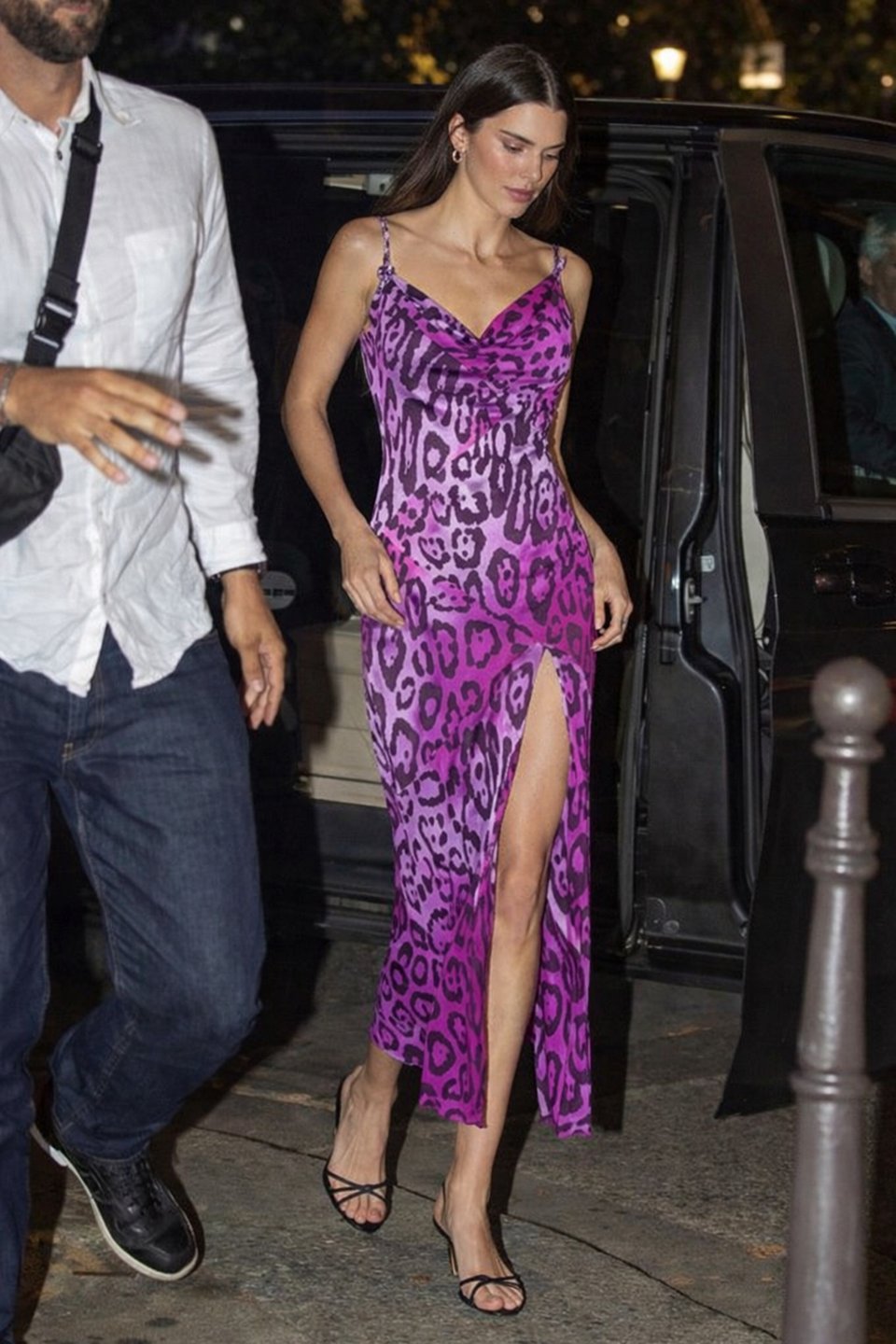
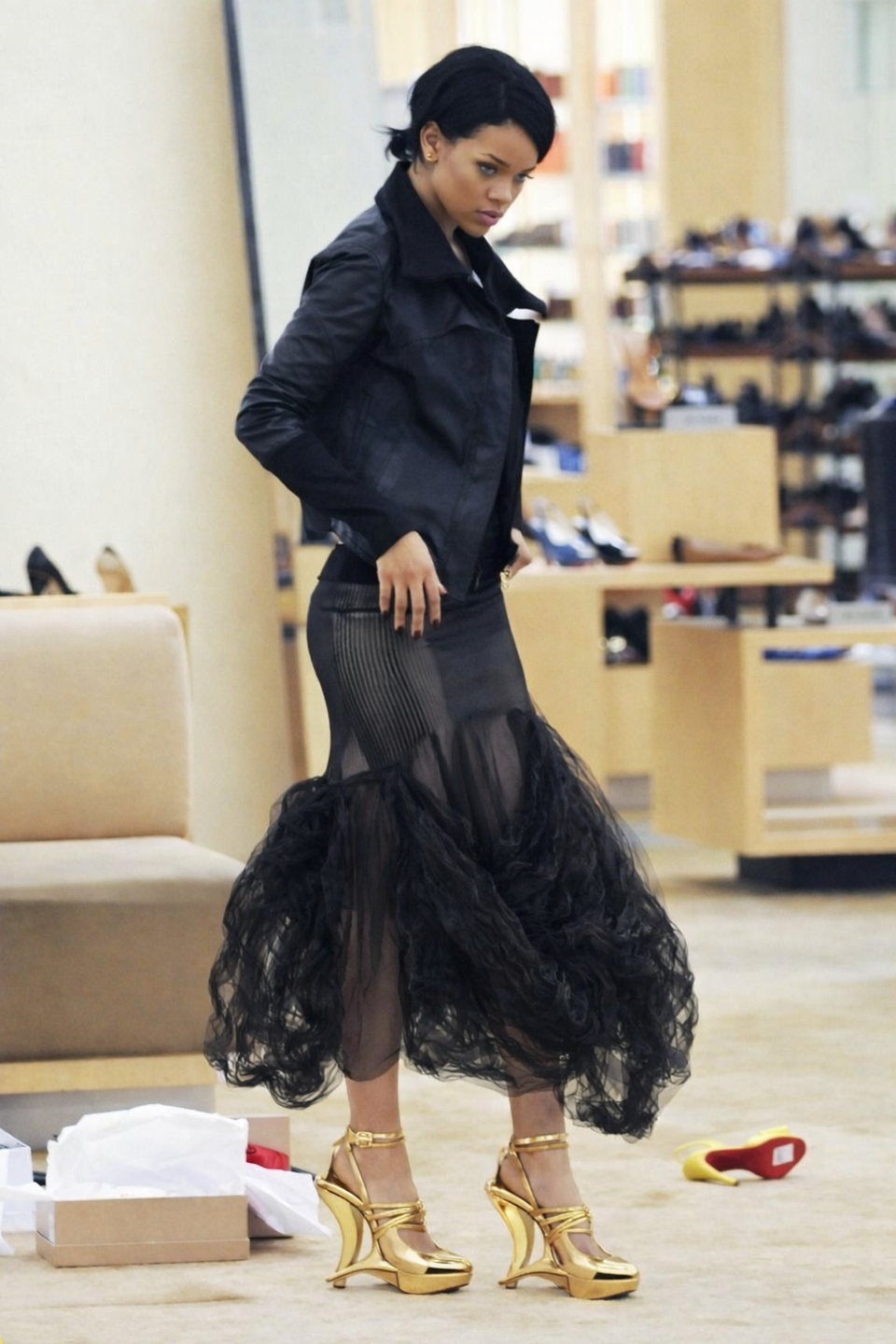
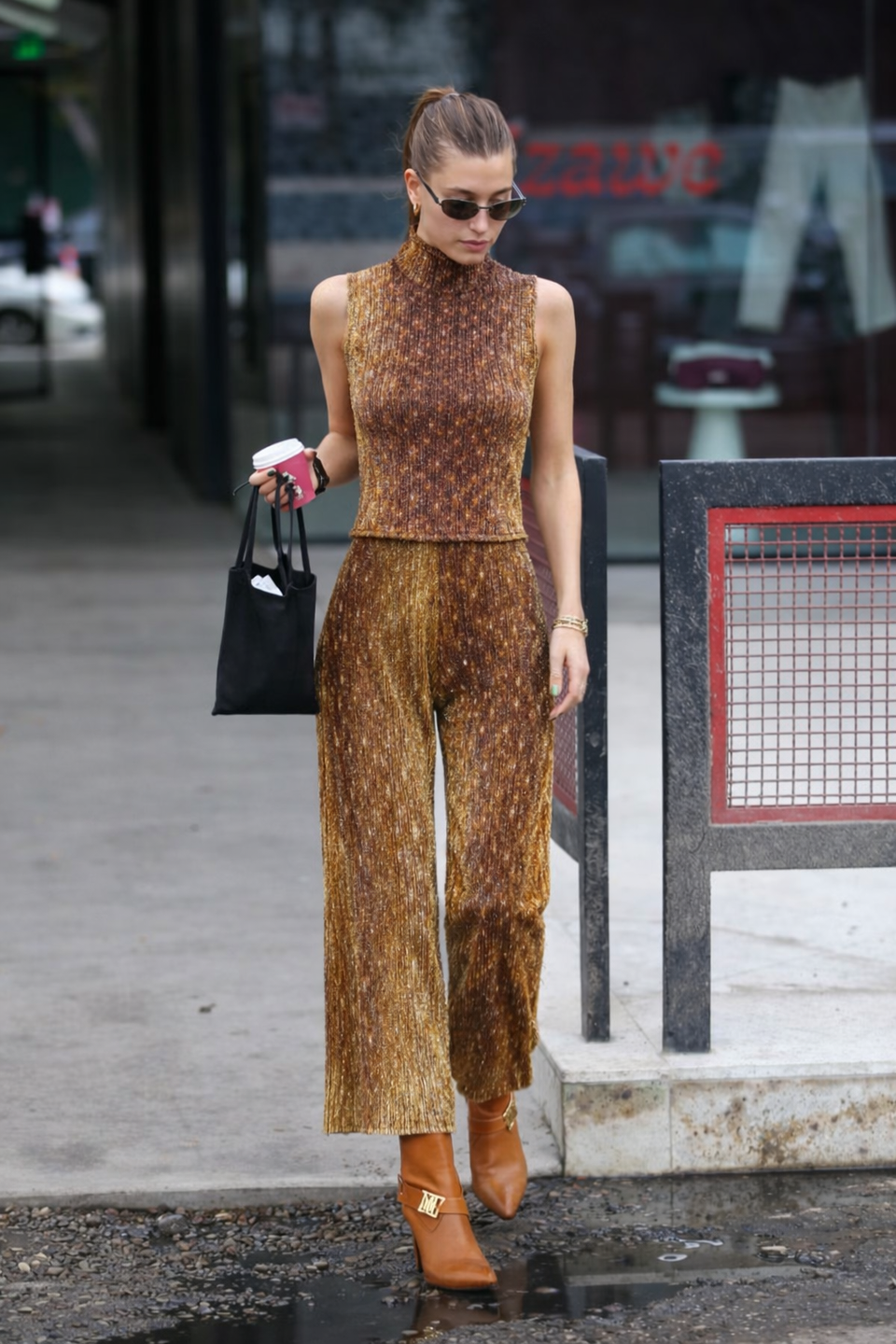
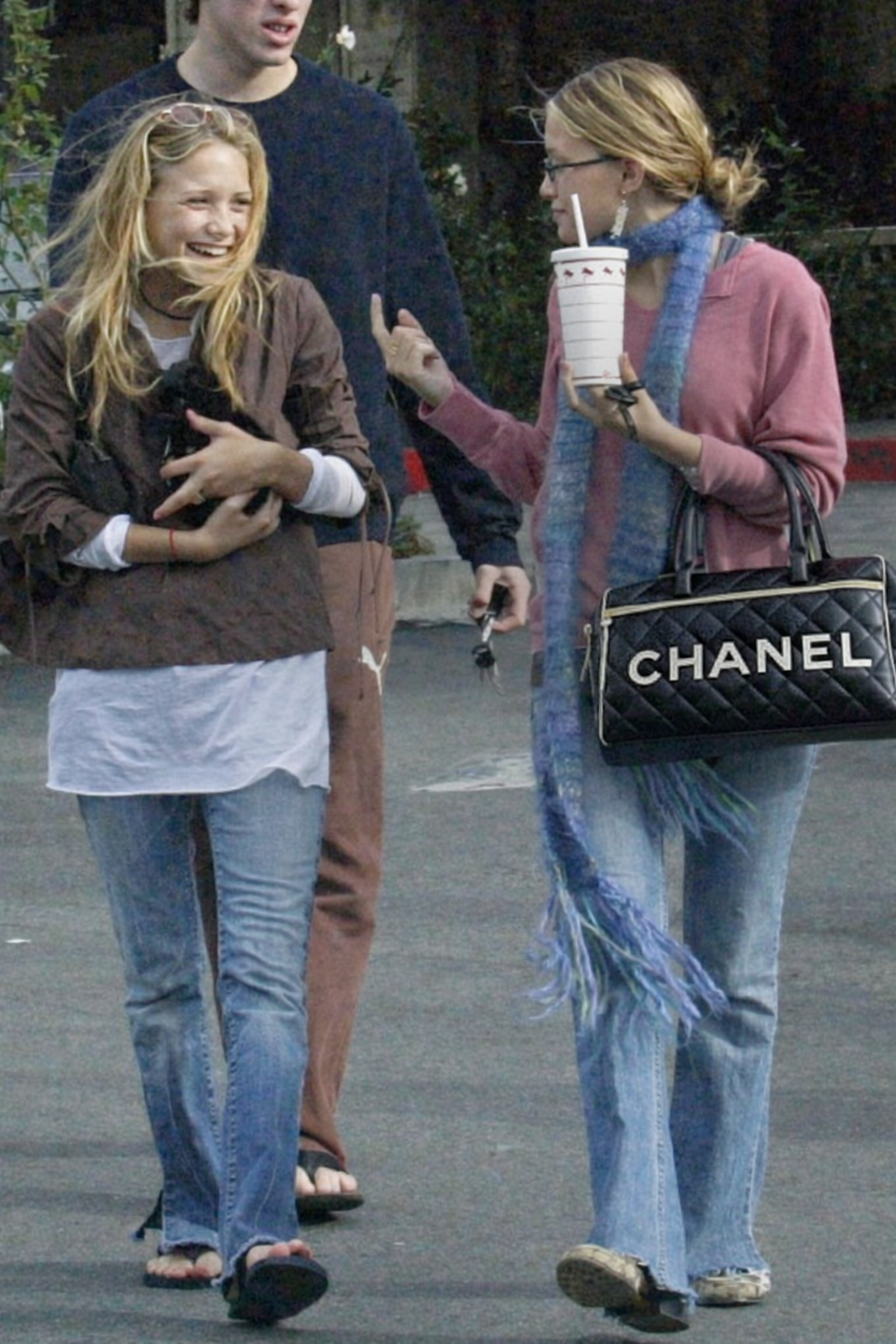
Scroll through Instagram or X long enough and you’ll see it: a celebrity wearing a look they’ve never touched, a runway show that never happened, a perfectly styled outfit with no physical origin. These images look real — sometimes too real — and they’re everywhere. Artificial intelligence has quietly become the internet’s newest stylist, generating fashion fantasies at a speed and scale the industry has never seen.
But as AI-generated fashion imagery goes viral, it raises an essential question: what happens when fashion becomes hypothetical?
The Rise of Hypothetical Styling
AI tools now allow anyone to “style” a celebrity, model, or historical figure in seconds. Vintage Mugler on a pop star. Archival Dior on an actor who never wore it. Entire collections imagined from designers long gone.
These images aren’t documentation — they’re speculation. Yet they circulate with the same authority as real editorials or runway photos, blurring the line between fact and fantasy.
In many ways, AI has become the ultimate moodboard: limitless, fast, and unconstrained by budgets, garment availability, or physical reality. The result is a new visual language of fashion — one built on imagination rather than materiality.
Why Fashion Is So Drawn to AI Right Now
Fashion is uniquely primed for AI adoption. It thrives on images, novelty, and constant reinvention. AI delivers all three instantly.
- Speed: Concepts that once took teams weeks can now be generated in minutes.
- Virality: AI images are optimized for shock, beauty, and shareability.
- Experimentation: Brands and creators can test aesthetics without producing a single garment.
In an industry driven by visuals, AI feels less like a disruption and more like a shortcut.
Fantasy vs. Artifact
Yet something fundamental is lost when fashion exists only as an image.
A real garment carries weight — literally and historically. Fabric ages. Seams strain. Labels fade. Vintage pieces tell stories through wear, ownership, and time. These details are invisible to AI, which produces perfection without provenance.
AI can replicate the look of fashion, but not its life.
As fashion imagery becomes more synthetic, physical garments — especially archival and vintage pieces — gain new significance. They anchor style to reality, reminding us that fashion is not just visual culture, but material culture.
The Ethics of Styling Without Consent
AI styling also introduces uncomfortable ethical territory. Celebrities are being “dressed” without permission. Designers’ work is being reinterpreted without credit. Deepfake images circulate without disclosure.
The questions are no longer theoretical:
- Who owns an image generated from someone’s likeness?
- Can style be copyrighted?
- When does inspiration cross into misrepresentation?
As AI-generated fashion becomes more convincing, transparency matters more than ever.
Is AI the New Stylist?
Rather than replacing stylists, designers, or archivists, AI is more accurately becoming a tool — one that accelerates ideation but lacks context, taste, and responsibility.
Human stylists understand proportion, history, subculture, and intention. They know why a piece matters, not just how it looks. AI can generate combinations, but it cannot assign meaning.
The most compelling future for fashion lies in collaboration: AI as a reference point, not an authority.
Fashion After Fantasy
AI is reshaping how fashion is imagined, shared, and consumed. It expands creative possibility, but it also challenges authenticity, authorship, and truth.
As the internet’s newest stylist continues to dress celebrities and invent worlds, the role of real garments, archives, and human judgment becomes even more vital. In an era of infinite images, what endures is not perfection — but provenance.
Fashion doesn’t just live on screens. It lives in objects, bodies, and time.