What We’re Into: The New New York
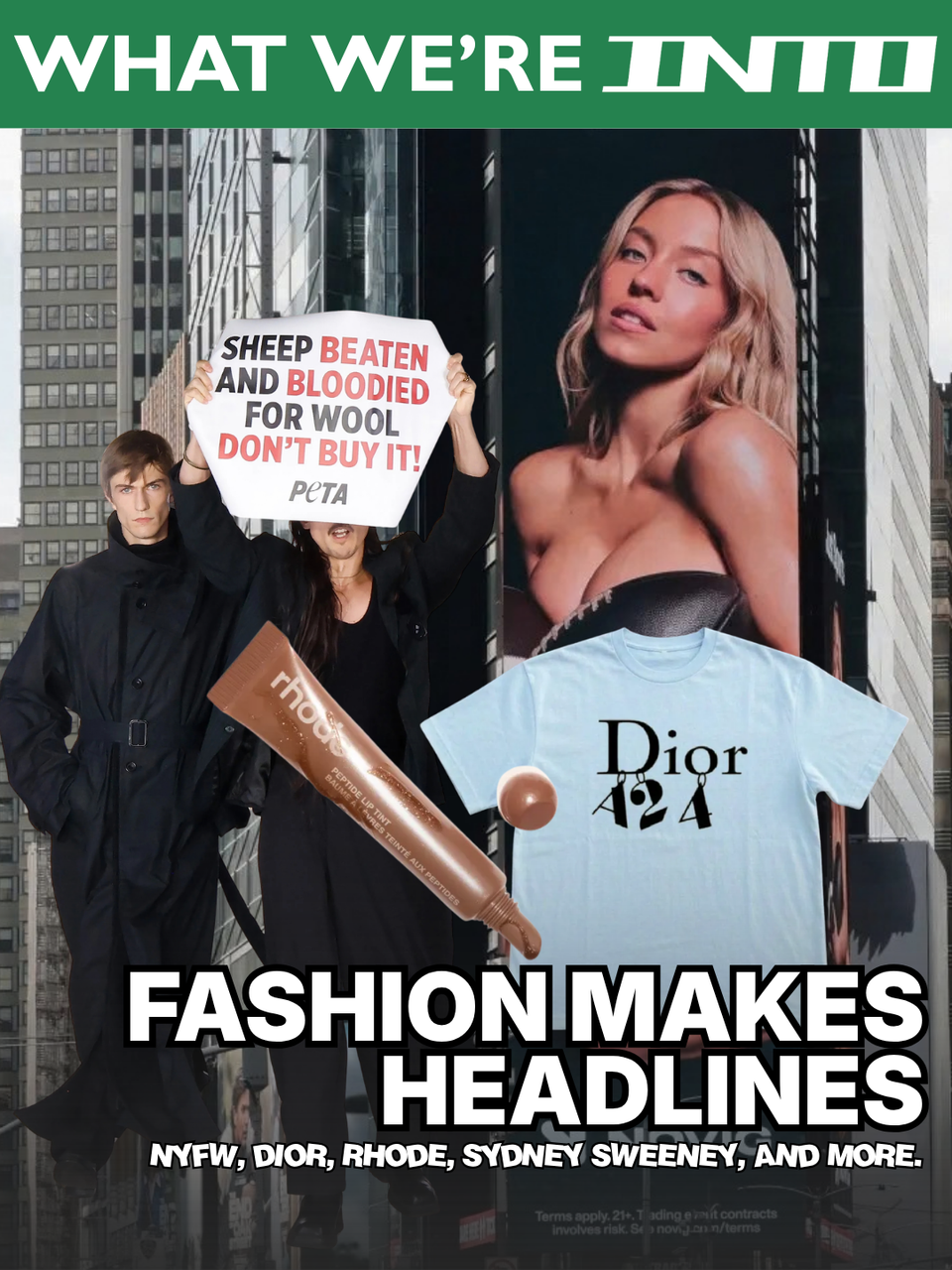
Pencil skirts are back, Dior is getting cinematic, beauty is becoming an accessory, and the fashion business is watching its own attention economy very closely.
New York Fashion Week has wrapped, but the bigger story is still unfolding. Across the runway, Tagwalk’s latest data points to a return to sharper, more traditionally polished silhouettes, with pencil skirts up 335%, capri pants up 113%, ruffles up 96%, transparent fabrics up 62%, and animal print up 10%.
At the same time, fashion’s cultural footprint is moving further outside the traditional runway. Dior has partnered with A24 for a two-year creative program spanning film, theatre, and live events. Rhode is turning beauty products into collectible accessories with Alexandra Leclerc. And some of the week's biggest marketing conversations have happened far away from a fashion show.
From runway statistics to viral advertising and luxury's growing relationship with entertainment, here's what we're into this week.
THE PENCIL SKIRT RETURNS
If NYFW's numbers are anything to go by, the next fashion cycle is looking considerably more polished.
Tagwalk's runway data shows a significant spike in several distinctly early-2000s and ladylike silhouettes, led by pencil skirts, which rose 335% across the New York shows. Capri pants followed at 113%, while ruffles increased 96%. Transparent fabrics climbed 62%, with animal print also seeing a smaller 10% rise.
The interesting part isn't any one trend. It's the combination.
The pencil skirt and capri suggest a return to a more precise, body-conscious silhouette, while transparency, ruffles, and animal print keep the wardrobe from becoming too proper. It's less about minimalism and more about tension: polished versus provocative, officewear versus nightlife, restraint versus excess.
For archival fashion, that shift is particularly interesting. The silhouettes currently returning to the runway are exactly the kind of pieces that become more culturally legible with age. A 1990s pencil skirt, a 2000s capri, or a sheer designer blouse can read completely differently depending on what the fashion cycle is doing around it.
The archive doesn't really disappear. It just waits for the silhouette to come back.
DIOR GOES TO THE MOVIES
Fashion and film have always been intertwined, but Dior and A24 are making that relationship considerably more formal.
The two companies announced a two-year creative partnership spanning film, theatre, and live events, with Dior becoming the premier partner of New York's historic Cherry Lane Theatre, which is owned by A24.
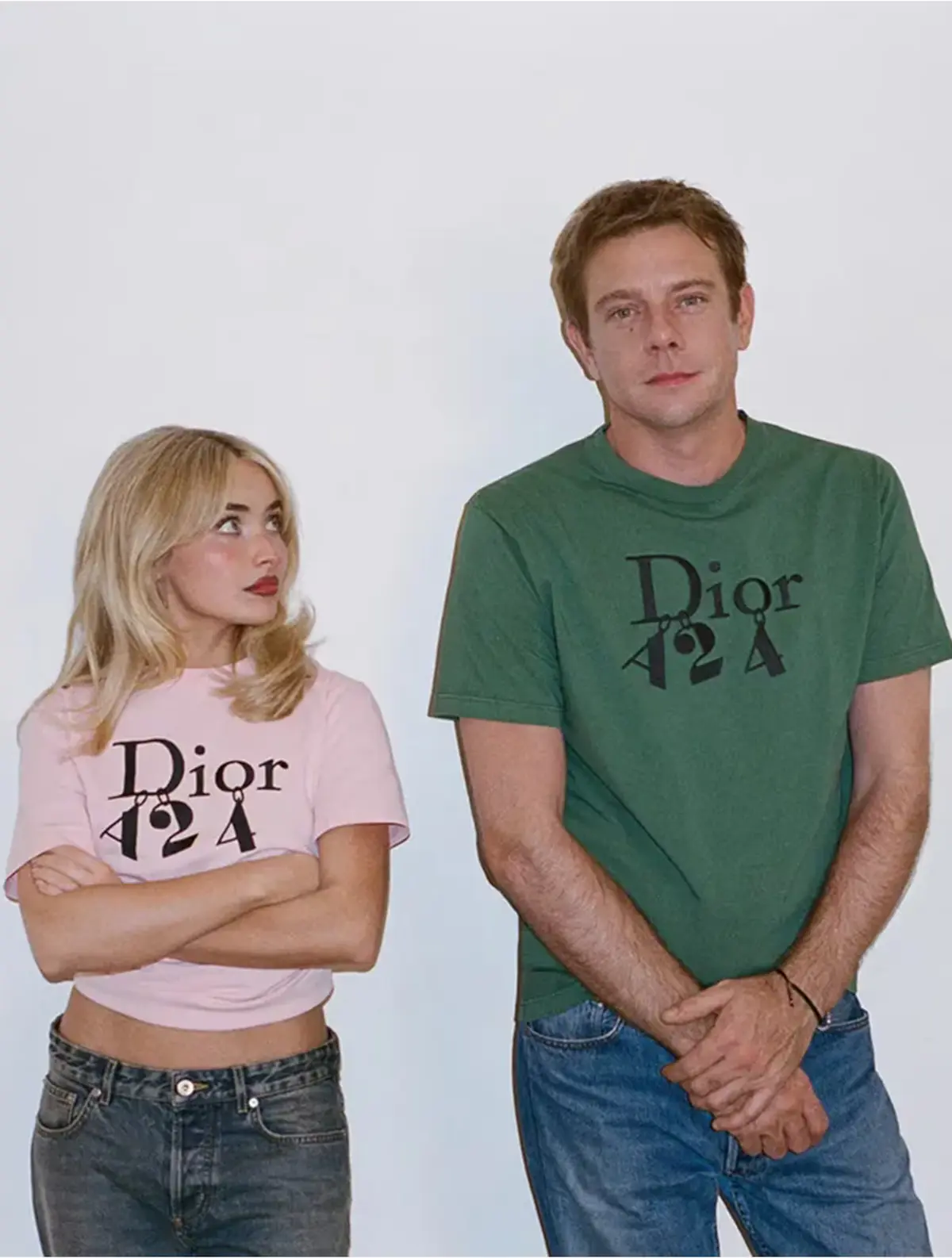
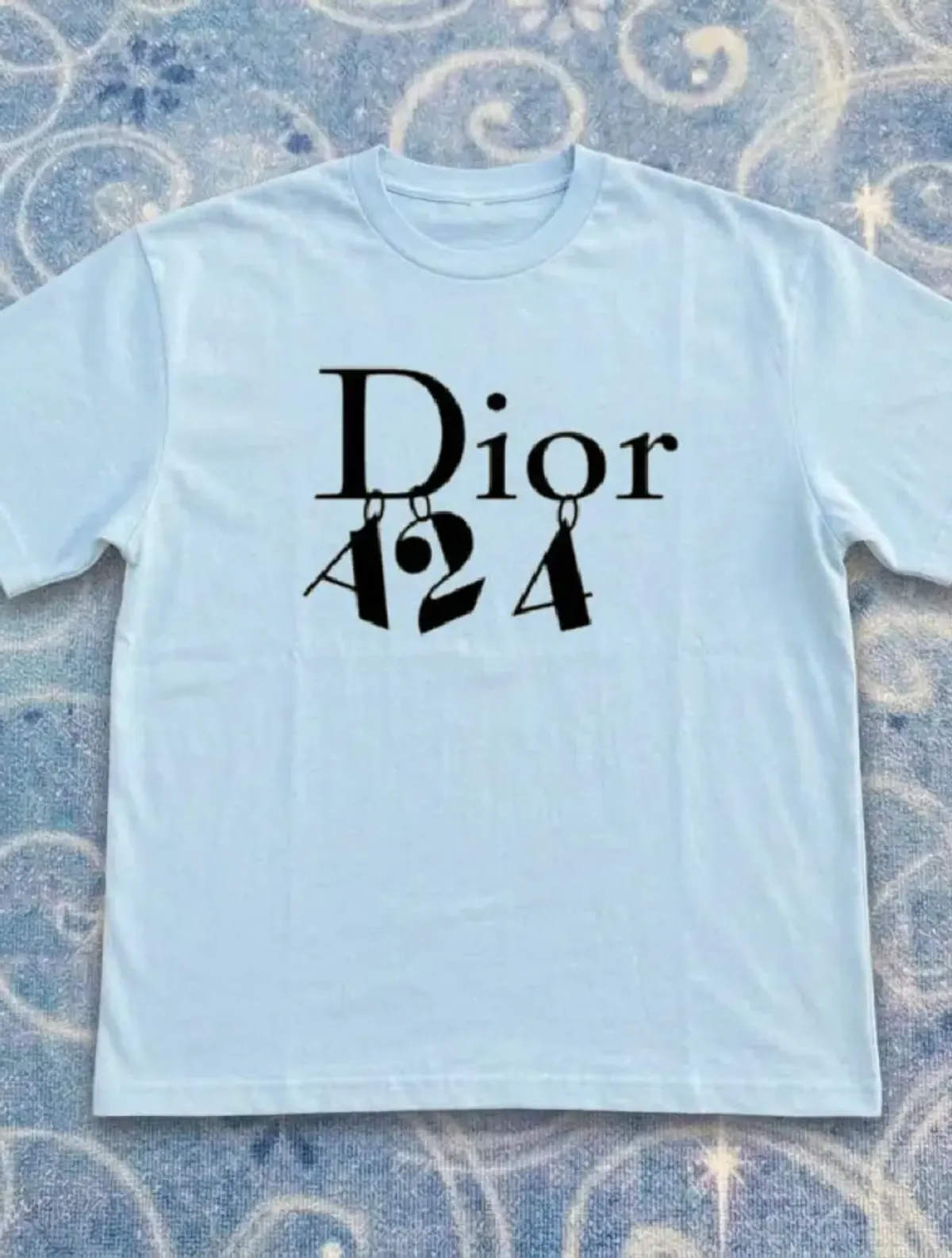
The partnership launched during NYFW with Both Ends, a performance starring cabaret artist Justin Vivian Bond and directed by Zack Winokur. Jonathan Anderson designed the costumes, including an archival Paul Poiret piece that connected the performance directly to his recent Dior work.
The accompanying campaign took the collaboration even further. Sabrina Carpenter, Camille Cottin, Josh O’Connor, Drew Starkey, and Sophie Wilde each appeared as different versions of Anderson in a short film directed by Aidan Zamiri.
What makes the partnership notable is that it isn't simply another designer collaboration or celebrity campaign. It places a luxury house inside an existing cultural ecosystem of theatre, film, performance, and emerging artists.
For luxury brands, cultural relevance increasingly seems to be about creating environments people want to participate in rather than simply products they want to buy.
RHODE MAKES BEAUTY COLLECTIBLE
Rhode is also playing with the idea that a beauty product doesn't have to stay in the beauty category.
For its limited-edition collaboration with Alexandra Leclerc, Rhode introduced Pocket Pearl, a miniature shimmery blush available in three shades, alongside a new Peptide Lip Tint shade and accessories including a carabiner and butterfly-shaped Flutter Charm. Pocket Pearl can be transformed into a bag charm, effectively turning makeup into something you can wear, collect, and display.
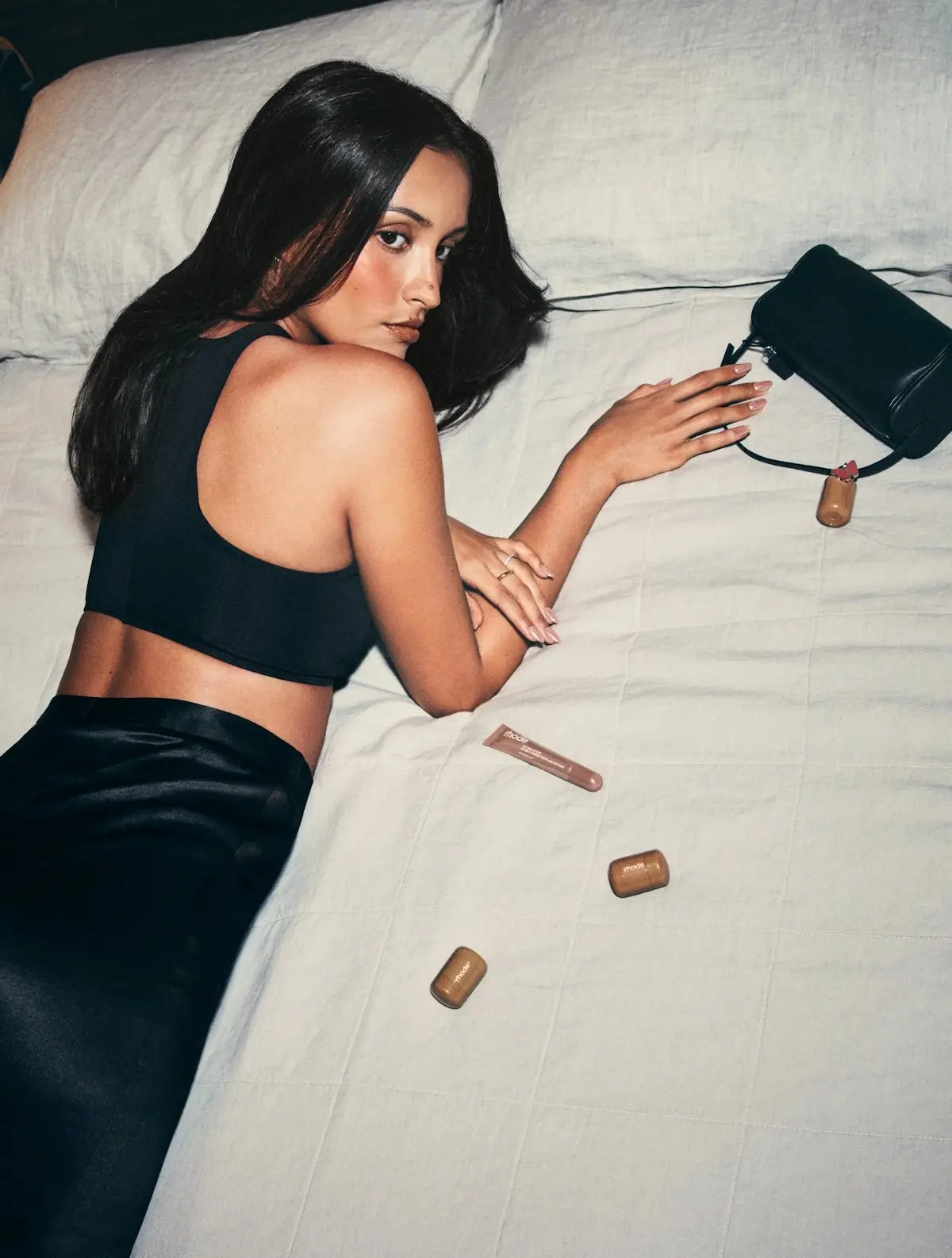
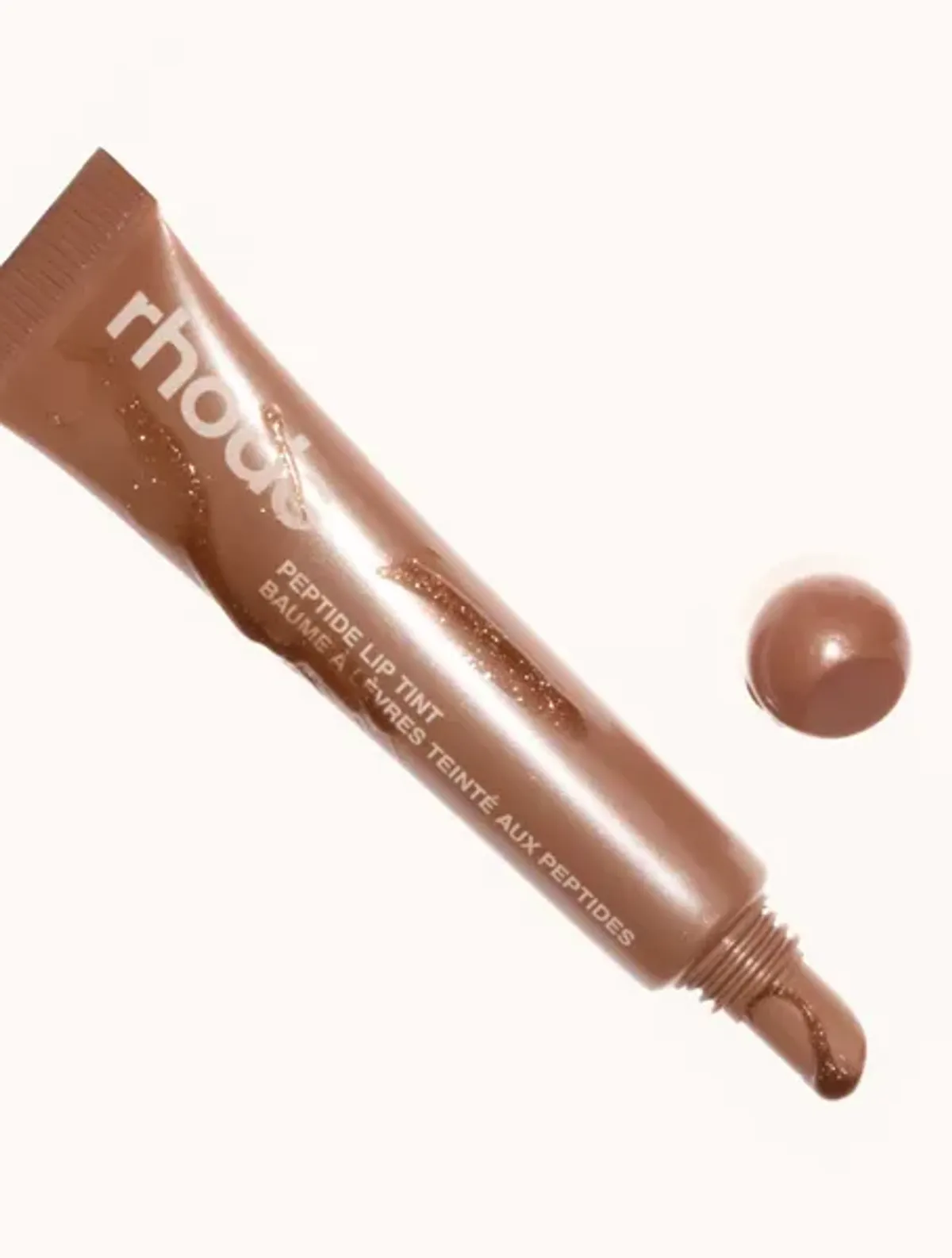
The collection launched September 15, with Pocket Pearl priced at $16 and the Peptide Lip Tint at $20.
It's a small but telling shift in beauty marketing. The product is no longer just the product. Packaging, charms, collaborations, limited quantities, and the person attached to the campaign all become part of the object.
Fashion has been selling accessories as collectibles for decades. Beauty is increasingly borrowing the same playbook.
WHEN THE AD BECOMES THE STORY
Sydney Sweeney's latest campaign for sports prediction platform Novig became one of the week's biggest advertising conversations.
The campaign featured Sweeney in a series of provocative sports-themed images, prompting criticism from prominent female athletes including Olympic swimmer Ariarne Titmus and British sprinter Amy Hunt, who argued that the campaign sexualized women in sport.
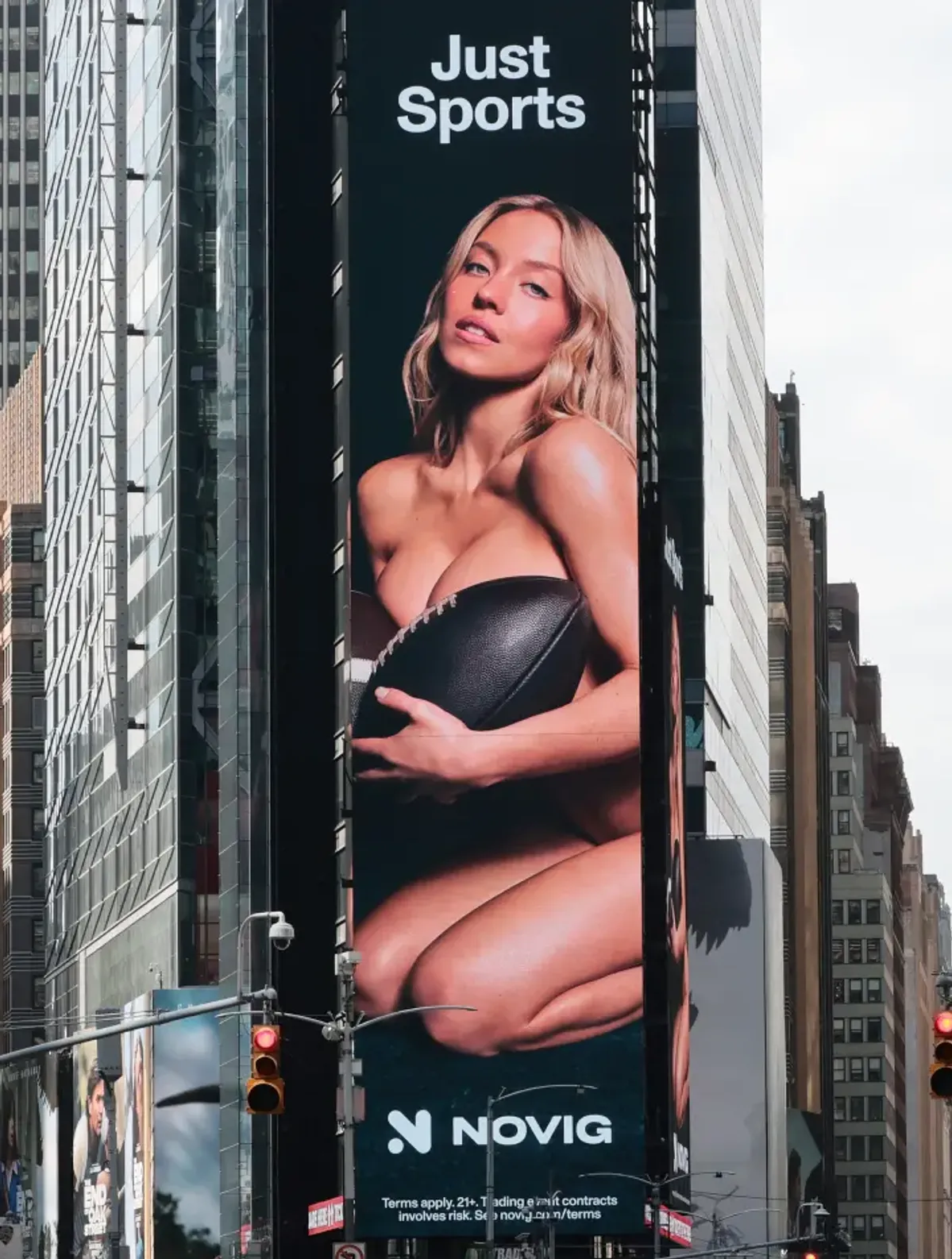
The controversy itself became part of the campaign's reach. The Guardian reported that the commercial had been viewed more than 22 million times within its first two days.
That doesn't automatically make the campaign effective, but it does illustrate the increasingly blurred line between advertising and cultural event.
The strategy is familiar: create something provocative enough that people don't simply see it, but discuss it, repost it, criticize it, and turn it into a story.
The question for fashion and beauty brands is becoming less about whether people will see an advertisement and more about what happens after they do.
THE CFDA'S UNEXPECTED NYFW STORY
Not every NYFW headline came from a collection.
CFDA president Steven Kolb was placed on leave following a physical confrontation with PETA protesters at the COS show on September 13. The CFDA said Kolb would remain on leave pending a full review. Kolb subsequently apologized publicly for his actions.
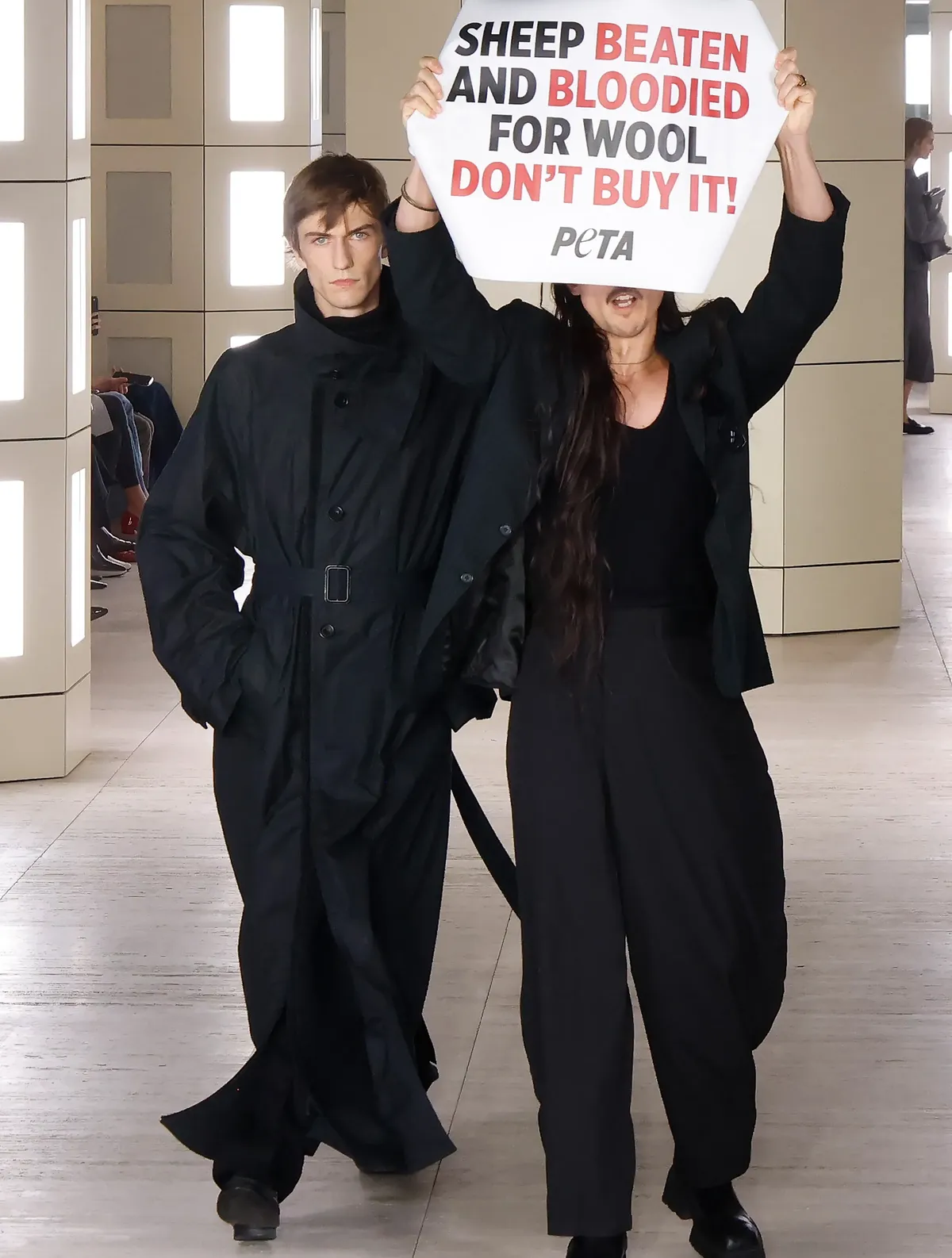
The incident unfolded during a PETA protest concerning wool production, adding another layer to the industry's ongoing debate around animal materials and sourcing.
For an industry that increasingly positions sustainability and ethical sourcing as part of its public identity, the confrontation became an unexpected reminder that those conversations aren't happening only inside brand sustainability reports. They are also playing out directly at fashion's biggest public events.
NIKE'S NUMBERS TELL A DIFFERENT STORY
Meanwhile, the business side of fashion and sportswear is telling its own story.
Nike is set to be removed from the S&P 100 on September 21 after nearly 18 years in the index. Reuters reported that the company's market value has fallen by roughly 80% over the past five years, amid slowing sales, competition, and challenges around product innovation.
Other reporting puts the decline in market capitalization at roughly $224 billion from its previous peak, with Nike's market value falling from around $281 billion to approximately $57 billion.
The numbers are a useful counterpoint to the cultural noise surrounding fashion right now.
On one side, brands are investing heavily in collaborations, entertainment, celebrity, and cultural storytelling. On the other, the traditional business of selling products at enormous scale remains under pressure.
Nike's situation doesn't mean sportswear is disappearing. It does show how quickly consumer attention, retail strategy, competition, and brand relevance can reshape the fortunes of even the biggest names in fashion.
SO, WHAT DOES THIS MEAN FOR FASHION?
The most interesting pattern this week isn't one specific trend. It's the continued collapse of the boundaries between fashion, entertainment, beauty, and culture.
Runway data is pulling older silhouettes back into circulation. Dior is embedding itself in theatre and film. Rhode is making blush function like an accessory. Viral advertising is becoming its own form of entertainment. And major fashion companies are increasingly judged not only by what they sell, but by how culturally present they remain.
For archival fashion, that's familiar territory.
The value of an old garment has never been only about its age. It is about context. A silhouette, designer, fabric, or accessory can sit quietly in an archive for years and suddenly become relevant again because the culture around it has shifted.
Right now, the shift is toward sharper silhouettes, collectible objects, cultural collaborations, and fashion that exists somewhere between product and experience.
The archive is already there. The interesting part is watching what comes back.
→ Book a private showroom appointment
Into Archive is a global destination for rare and archival fashion, bringing together collectible pieces from leading designers, independent collectors, and international vendors. Visit our New York showroom by appointment to explore the archive in person.